







- 10 Reasons Windows XP Served PC Users Well for More Than a Decade
- It Worked Well for Enterprise Users
- The Same Experience at Work and Home
- Vendors Thought Highly of Windows XP
- The Service Packs Were Important
- Flexibility Across Computing Devices
- Flexibility Across Markets
- Flexibility Across Applications
- Developers Universally Embraced Windows XP
- Windows Vista Couldn’t Cut Muster
- The Right OS at the Right Time
10 Reasons Windows XP Served PC Users Well for More Than a Decade
By Don Reisinger
It Worked Well for Enterprise Users
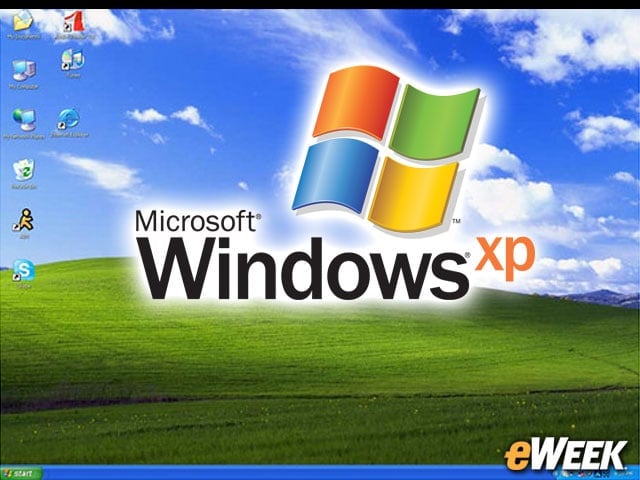
The enterprise benefited greatly from Windows XP. The operating system provided the right balance of features and usability to maximize user productivity, and thanks to its longevity, companies were able to keep the operating system in employee hands for more than a decade, only further improving employee comfort with the software. XP was a business-first operating system in its design and functionality. And that worked out well for all parties involved.
The Same Experience at Work and Home

One of the keys to Windows XP’s success over the years has been its ability to deliver the same experience at home and work. Folks who used the operating system in the office went home, got the Home version and realized that it worked just the same as it did in the office. That helped buoy usage and PC sales, and it kept XP at the top for so long.
Vendors Thought Highly of Windows XP
PC users were able to take advantage of XP’s many fine features because vendors saw real value in the operating system. PC makers bundled XP with every computer they sold until Vista launched, and then when that operating system took a nosedive, they went back to XP. Although vendors often loaded XP down with “bloatware,” software that was made available out of the box and not necessarily desirable, they also built devices that took full advantage of the operating system. And that only helped users and XP.
The Service Packs Were Important
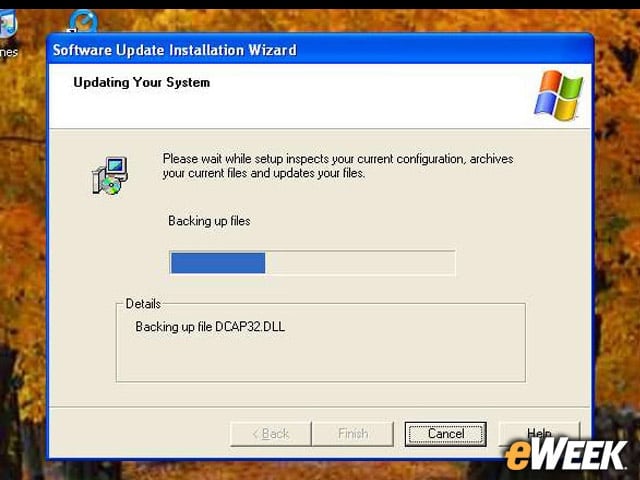
Out of the box, Windows XP was a security mess. But over time, as Microsoft started offering service packs, the experience got better and better. In fact, after Service Pack 2, it could be argued that the operating system was a worthy purchase for any computer buyer. Service Pack 3 just added more quality features to round out the software. If not for the service packs, Windows XP wouldn’t have been so popular.
Flexibility Across Computing Devices
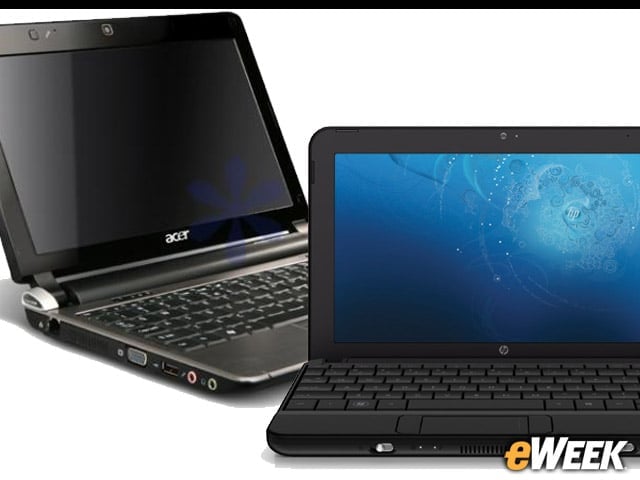
One of the great things about XP is that it was capable of working across different form factors. So, while it might have been designed for the desktops and laptops, it also performed well on netbooks, old stylus-based tablets and even handheld products. Windows XP was truly flexible for device makers.
Flexibility Across Markets
While XP was flexible for device makers, it was also flexible across markets. Whether it was an emerging area of the world or developed countries, XP was able to satisfy customers, regardless of their needs. Few operating systems can achieve such a feat, but XP did just that. And its popularity around the world today proves just how important a feat that was.
Flexibility Across Applications
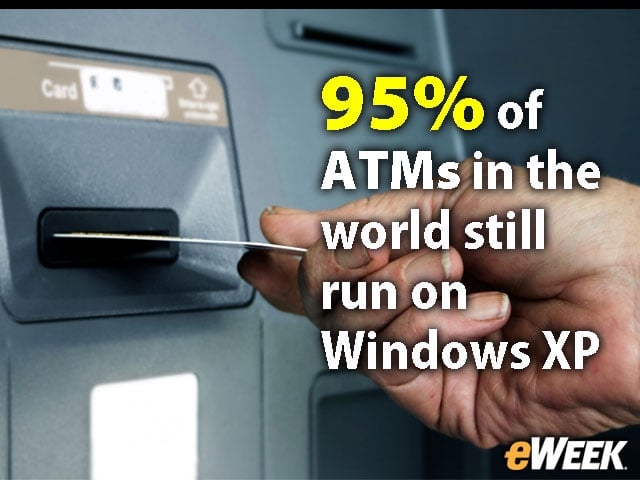
The interesting thing about Windows XP is that it was also extremely capable at hiding beneath the surface of software on nontraditional products. For instance, Windows XP is still running on the vast majority of ATM machines around the world, acting as the standard for cash transactions. Windows XP was truly the first major operating system to span industries, markets and walled gardens. Its impact can be felt in a multitude of places.
Developers Universally Embraced Windows XP
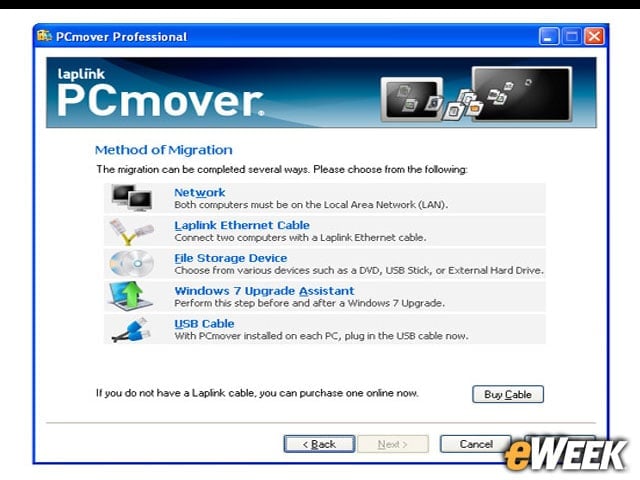
Software was the key to Windows XP’s success over the years. As more and more people adopted XP, developers flocked to the operating system. That meant any and all apps supported the platform, and consumers and enterprise users all then needed XP to get work done, play games or do just about anything else in computing. All of those apps made Windows XP a must-have.
Windows Vista Couldn’t Cut Muster
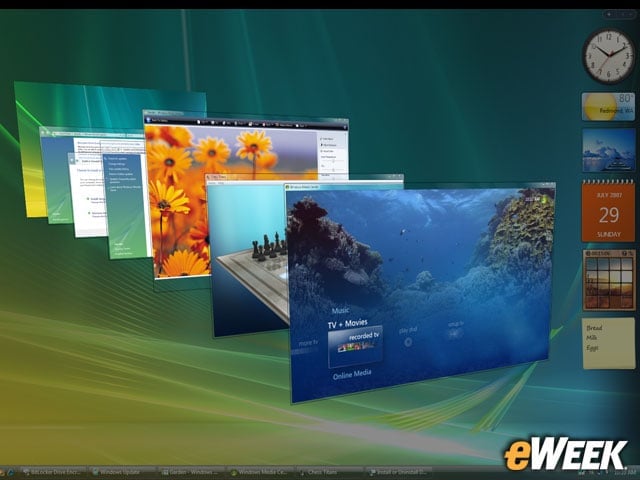
So, why did Windows XP serve users well for so long? Blame it on Windows Vista. Windows XP was supposed to die after Windows Vista came around. But after users discovered that Vista wasn’t as secure as it should be, came with annoying features like user account control and generally didn’t work as well on older computers as XP, just about everyone went back to its predecessor.
The Right OS at the Right Time
Windows XP was the operating system that brought millions, and perhaps even over a billion, people into the computing business. While Windows 95 and Windows 98 popularized personal computing, XP was the platform users sunk their teeth into and started to rely heavily on for all aspects of their lives. XP was also the operating system that brought computing to markets that had previously not had computers. If Windows 95 popularized computing, Windows XP made it an absolute necessity in everyone’s life. It was the right operating system for the time.