







Ubuntu Drops Unity for GNOME in Artful Aardvark Release
Ever since the Ubuntu 11.04 Natty Narwhal release in 2011, Ubuntu Linux has had its own desktop environment known as Unity. With the new Ubuntu 17.10 Artful Aardvark Linux distribution set for general availability on Oct.19, Unity is no more, instead being replaced by the GNOME desktop environment that has long been the default for many of Ubuntu’s commercial rivals. Along with GNOME have come some other user-facing changes to Ubuntu, including new applications such as Logs for system logs. In addition, with the shift to GNOME, Ubuntu has also shifted its dialog window controls (minimize, maximize and close) from the left to the right of the window. In this slide show, eWEEK looks at some of the highlights of Ubuntu 17.10 Artful Aardvark.
GNOME Is Now the Default Desktop
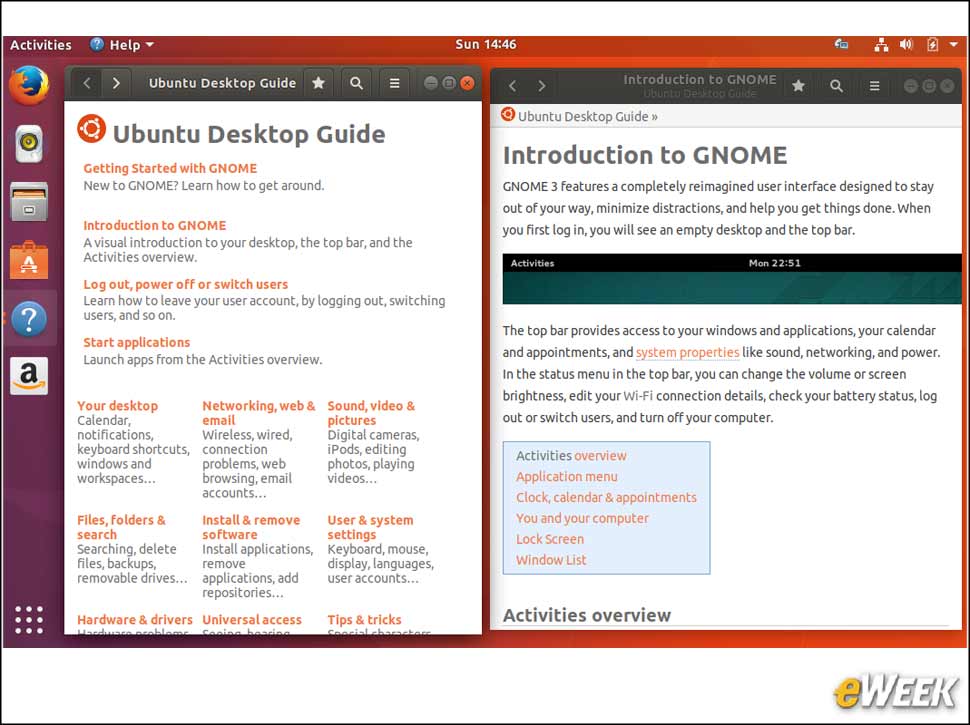
For the first time since 2011, Ubuntu has a new default desktop, moving away from Unity, which had been standard since 2011. The GNOME desktop environment is now the default option for the main Ubuntu desktop distribution.
Window Control Shifts Right
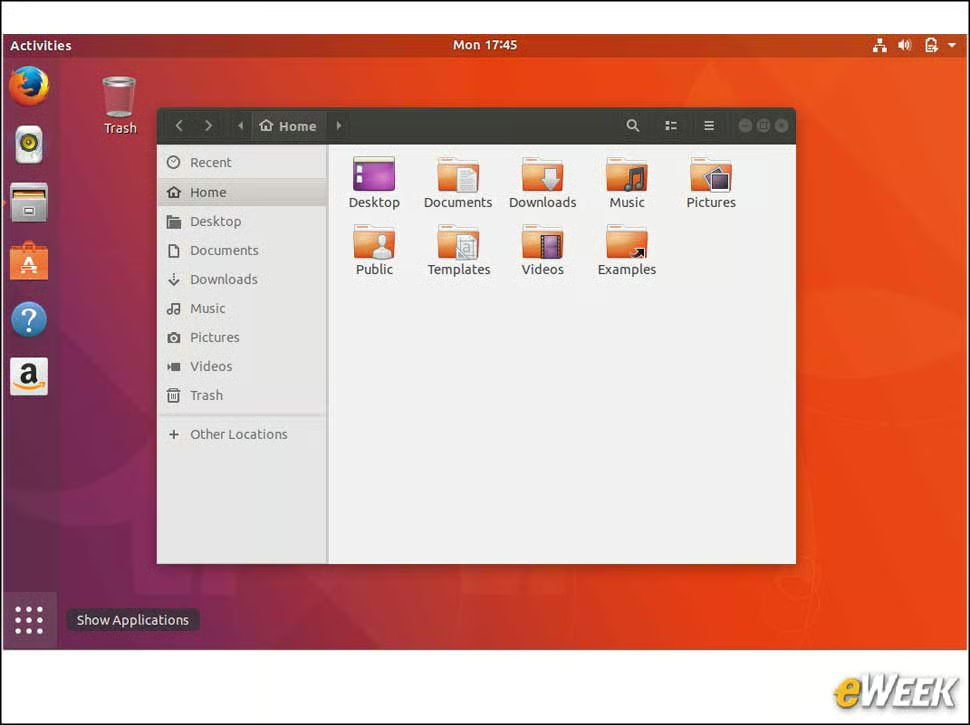
A subtle, but noticeable difference with Ubuntu 17.10’s GNOME desktop is that the window control buttons are back on the right for the first time since 2010.
New Logs App Debuts
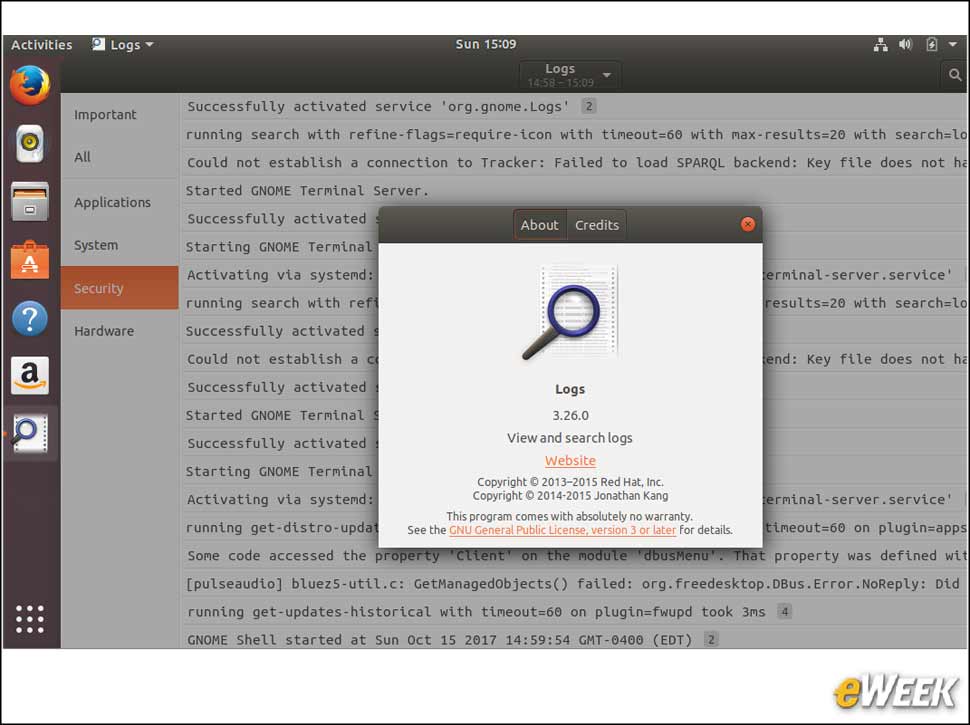
The new Logs application provides a mechanism for users to easily view system logs.
Popular Applications Remain in Place
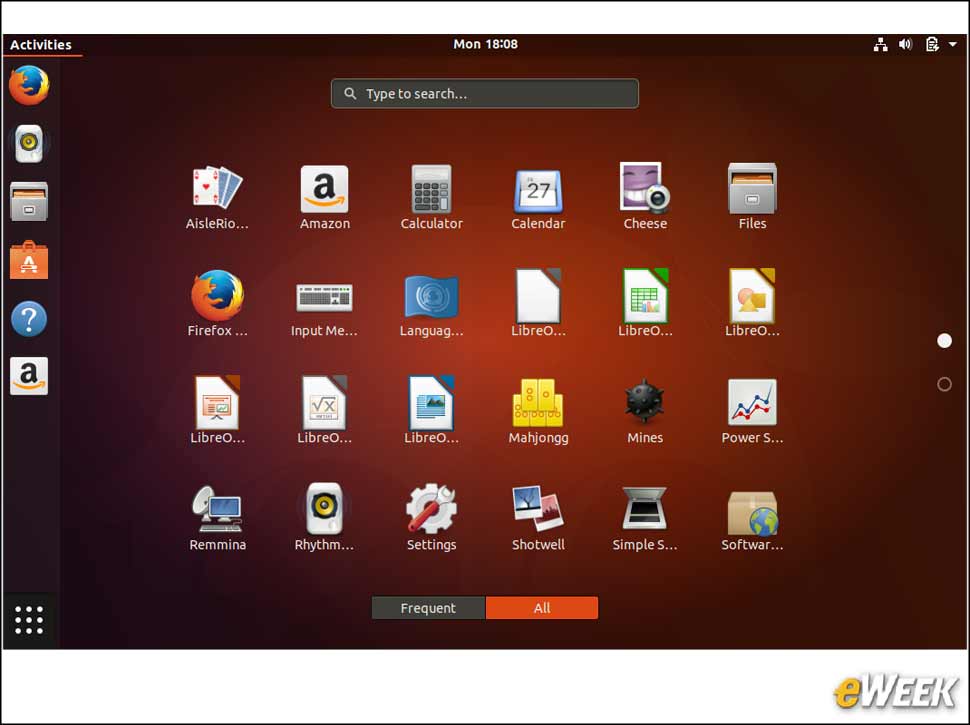
The Ubuntu 17.10 release includes the usual slate of applications that Ubuntu has long provided, including the Mozilla Firefox web browser and the LibreOffice office tools suite.
Wayland Is the Default Display Manager
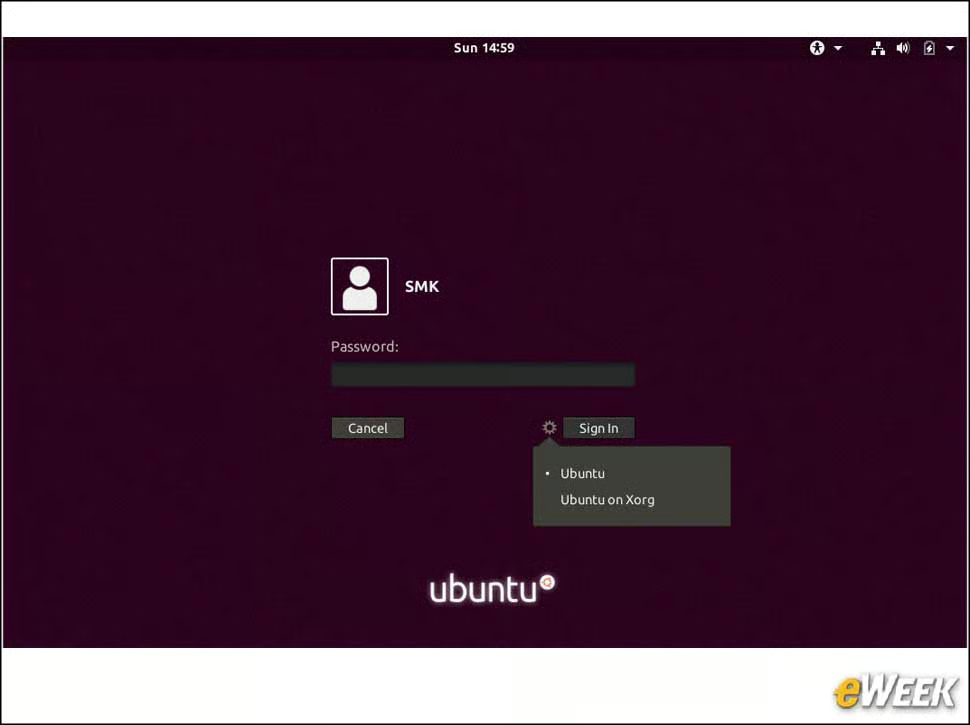
For the first time in Ubuntu’s history, the Linux distribution no longer uses the X.org display server as the default display manager technology, though it is still an optional choice. The default display manager is now Wayland.
Goodbye 32-Bit Desktops
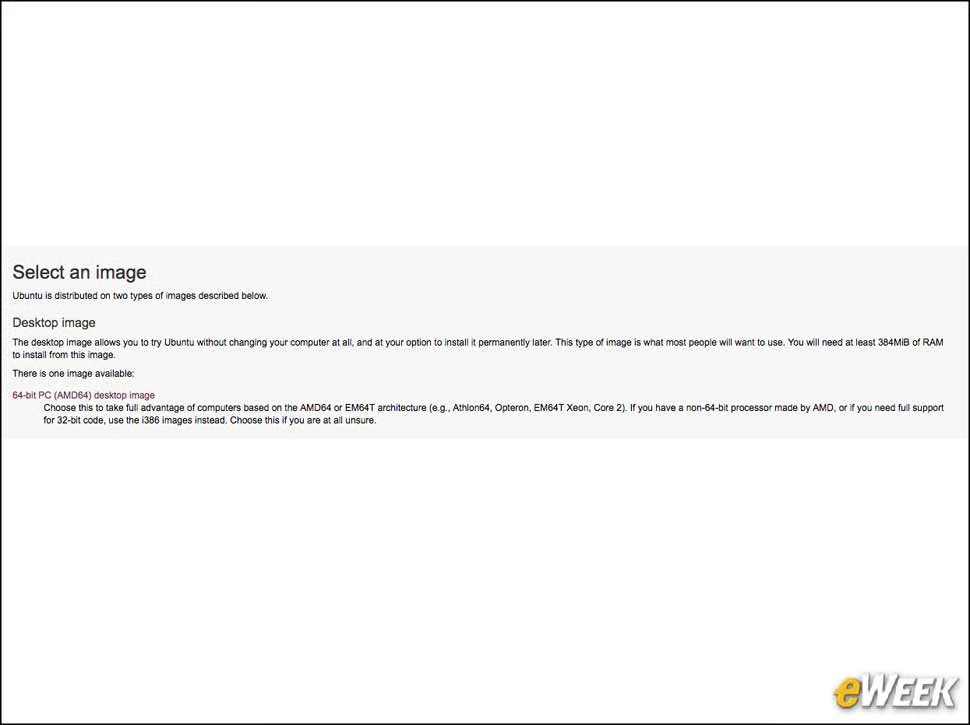
The Ubuntu 17.10 desktop release is also the first Ubuntu release not to support 32-bit systems.
Powered by Linux 4.13
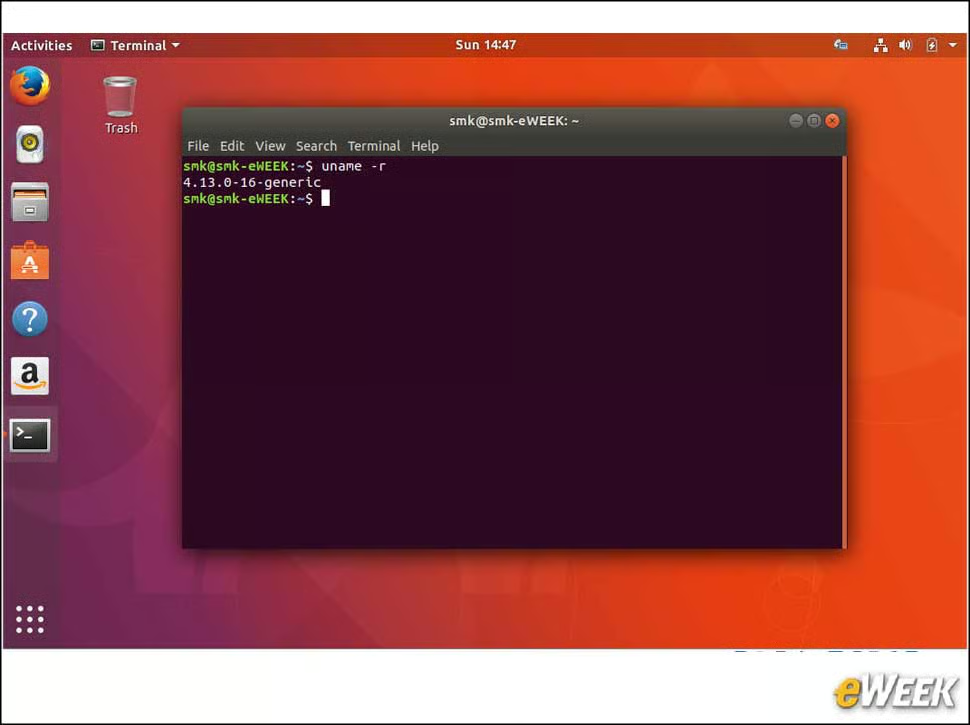
At the core of the Ubuntu 17.10 release is a Linux 4.13 kernel. Linux creator Linux Torvalds released the Linux 4.13 kernel on Sept. 3.
Ubuntu 17.10 Is a Short Term Support Release
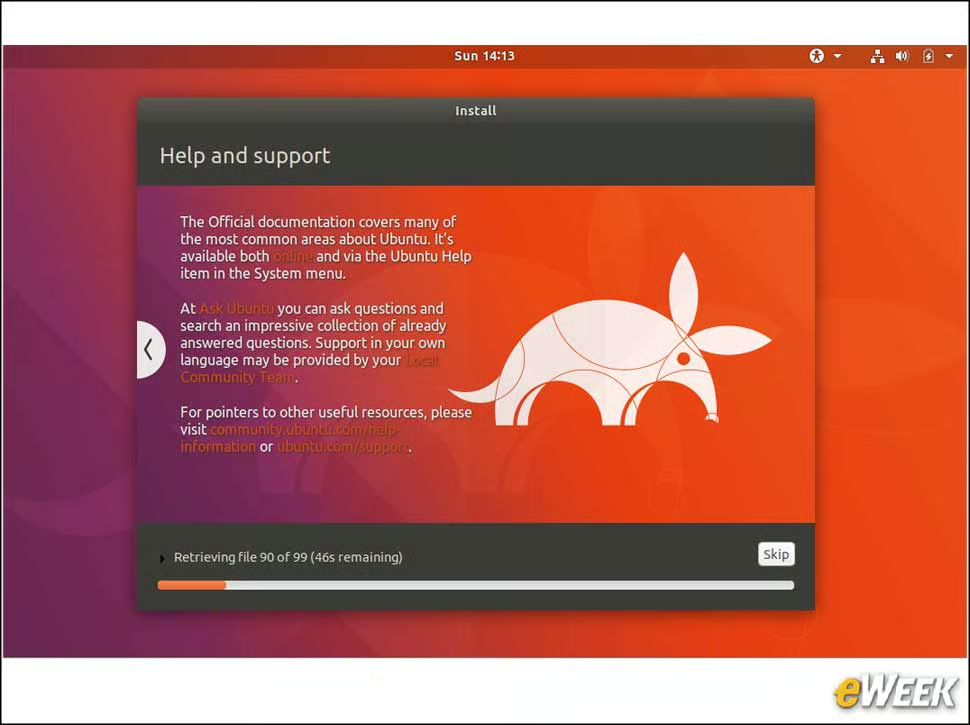
Ubuntu 17.10 will be supported for nine months—until July 2018. For those users who require longer term support, Ubuntu recommends its 16.04 LTS (Long Term Support) release.