







From Pilot and Pre to HP: The Rise and Fall
of Palm
by Nicholas Kolakowski
No Title

Jeff Hawkins founded Palm Computing in 1992, based on his desire to create a palm-sized device that would make use of stylus inputs. But the company’s first handset, the Zoomer, was not a breakthrough success.
No Title
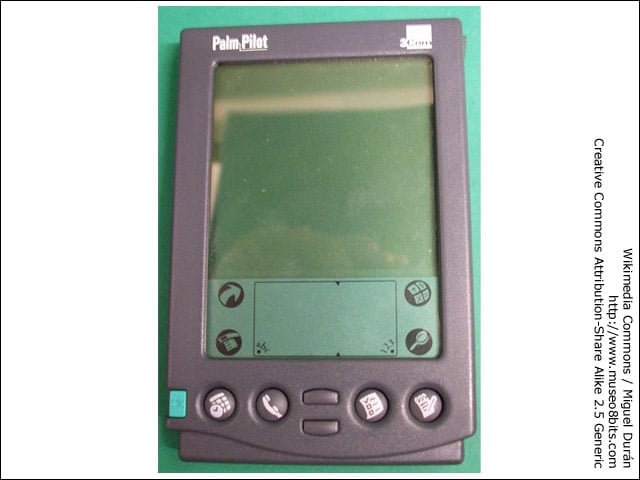
The Palm Pilot, released in 1996, succeeded where the Zoomer had failed and helped popularize the idea of the PDA as a must-have business device; Palm’s stock subsequently floated up with the dot-com bubble, only to crash down afterward.
No Title
After being acquired by U.S. Robotics in 1995, itself absorbed by 3Com two years later, Palm found itself spun off again as an independent company in 2000. Three years later, Palm’s hardware division merged with Handspring, a PDA-focused company created by Hawkins and other early Palm executives who’d left after the 3Com acquisition. Convoluted, no?
No Title

Starting in 2002, Palm launched smartphones in its Treo line, which included WiFi connectivity, minikeyboards, built-in cameras and other innovations. Despite its long mobile device history, though, Palm eventually began to lose ground to other mobile device makers.
No Title

Palm began plotting a comeback. Jon Rubinstein, credited with helping invent the iPod while at Apple, became chairman and CEO of Palm in June 2009. He replaced Ed Colligan, who had helped usher the Palm Pilot and Treo into the marketplace.
No Title
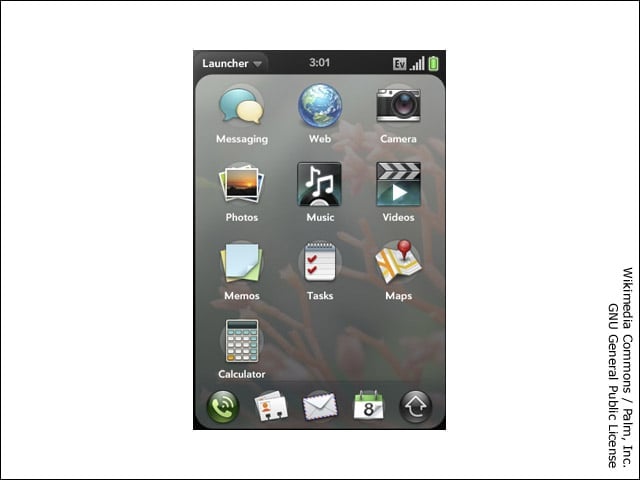
As part of its larger plans to reclaim its portion of the smartphone market, Palm designed a Linux-based smartphone operating system called Palm WebOS. The OS included baked-in social networking, combined messaging and support for multitouch.
No Title
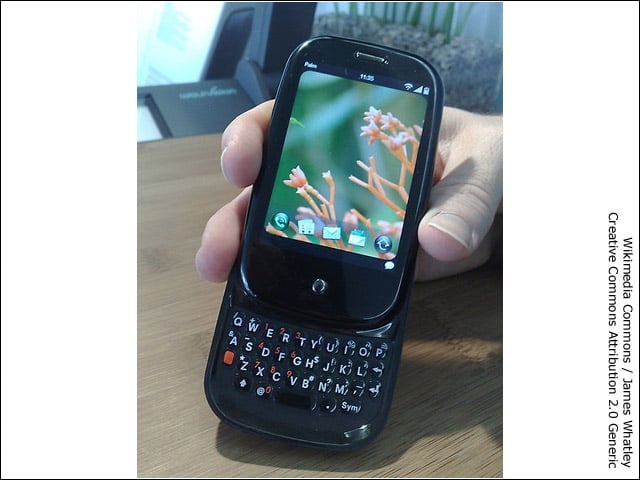
Launched in June 2009, the Palm Pre received generally positive reviews for its sliding form factor and Palm WebOS operating system. Despite strong initial sales, though, Palm started reporting “slower than expected adoption” for its products by February 2010.
No Title
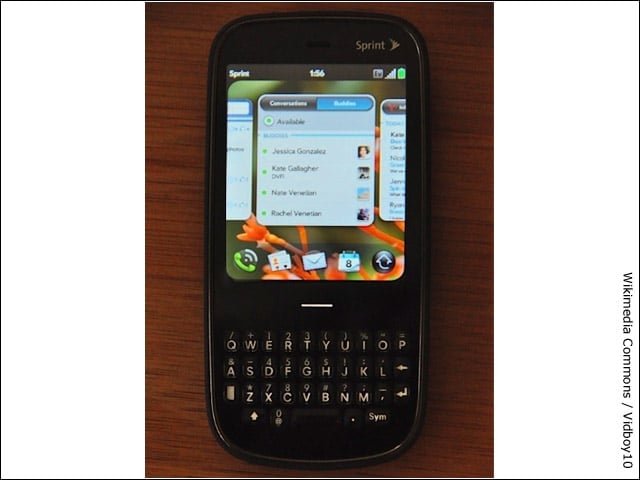
In November 2009, Palm launched the Palm Pixi, the company’s second device to run Palm WebOS. The Pixi’s small size and candy-bar form factor positioned it as a lower-cost version of the Pre, for a younger and funkier demographic; but like the Pre, the Pixi saw anemic sales.
No Title

Verizon announced during the 2010 Consumer Electronics Show that it would offer the Palm Pre Plus and Palm Pixi Plus, updated versions of both devices. The move was seen as one that could possibly allow Palm to regain some marketplace traction.
No Title
Hewlett-Packard announced on April 28 that it would purchase Palm for $1.2 billion.
