






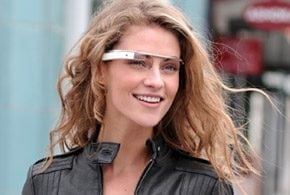

Google Glass Explorers will be receiving a lot of new cool and useful features in the latest software update for the devices, including Google Now “cards” that present up-to-the-minute information on the weather, nearby traffic, restaurants and much more.
The new features were unveiled as part of the fourth regularly scheduled monthly Glass software update in an Aug. 12 post on the Google Glass Google+ page. The updates will roll out automatically to Glass devices over the next few days, according to the post.
“Another month, another dose of Glass goodness,” the post states, including the delivery of the Google Now cards, which are already available to users on Android, iPad and iPhone devices. “As you go about your day, Google Now delivers helpful cards with information you need, before you even ask. Now, when you swipe backwards on the touchpad, you’ll find even more useful information.”
The Google Now cards for Glass will give users the capabilities to receive reminders for dinner reservations, hotel bookings and concerts for which the users received an email confirmation, as well as the ability to find show times and movie information for nearby theaters. Critical information such as emergency alerts can also be received through the cards when severe thunderstorm or flash flood warnings are in effect, according to the post. Other Google Now cards will present information on real-time traffic conditions and alternate routes for commutes, as well as local weather forecasts and lives sports scores for a user’s favorite teams, the post stated.
Google Now, which was introduced for Android devices by Google in June 2012, presents its information through a series of flip-through “cards” that are visible on the screen of a device, providing a different piece of information on each card. The “cards” appear at the moment they are needed by users, such as the train schedule card appearing when a user is heading to the local train station.
Also new in the latest Glass update is the ability for users to add voice commands from other services to the main menu, starting with two new voice commands: “Post an update” using Path and “Take a note” using Evernote, according to the post. More such features are coming, Google states. “Updates and notes are just the beginning; soon you’ll be able to use your voice to trigger all sorts of services. We’ll keep you posted (pun very much intended) as we roll out more.”
Glass developers can get more information for how to enable these commands for their applications and services by visiting the Glass Developers Web page.
Also new to the Glass monthly update is a feature that allows users to better control video playback on Glass. Now when users are viewing videos using Glass, they will be able to for the first time tap to pause or play, while swiping to fast forward or rewind, which will let them arrive at just the moment they want to view, according to the post.
Earlier in July, Glass received its third software update, which incorporated improved and expanded voice command capabilities. The update allows Glass users to do more things without having to touch any Glass controls, and it allows users to communicate more easily with family members and friends in their contacts list. In June, Glass got a big upgrade for its camera, with the release of new software that now better detects low-light situations and includes automatic High-Dynamic-Range (HDR) photo-taking capabilities.
The first software update for Glass arrived back in May when features such as incoming Google+ notifications for users were added. Also included in that first Glass XE5 software update were crash reporting for the devices, increased speed for transcription of queries and messages, and the inclusion of international number dialing and Short Message Service (SMS).
Google Glass has been a topic of conversation among techies since news of it first arrived in 2012. The first Google Glass units began shipping in April 2013 to developers who signed up at the June 2012 Google I/O conference to buy an early set for $1,500 for testing and development, where it was the hit of the conference. Google also then began shipping Glass units to lucky users who were selected in the #ifihadglass contest for the opportunity to buy their own early versions of Glass.
In February 2013, Google expanded its nascent test project for its Glass eyewear-mounted computer by inviting interested applicants to submit proposals for a chance to buy an early model and become part of its continuing development. In March, Google also began notifying a pool of applicants who were selected to purchase the first 8,000 sets of Google Glass when they become available for real-world use and testing later this year by consumers. Those selected applicants have been receiving their units in waves.
Each Google Glass device includes adjustable nose pads and a high-resolution display that Google said is the equivalent of a 25-inch high-definition screen from 8 feet away. The glasses also feature a built-in camera that takes 5-megapixel photos and video at 720p. Audio is delivered to wearers through their bones, using bone-conduction transducers.