







How iPhone 4 Repeats Apples 80s Mac Mistakes
by Nick Kolakowski
iPhone 4
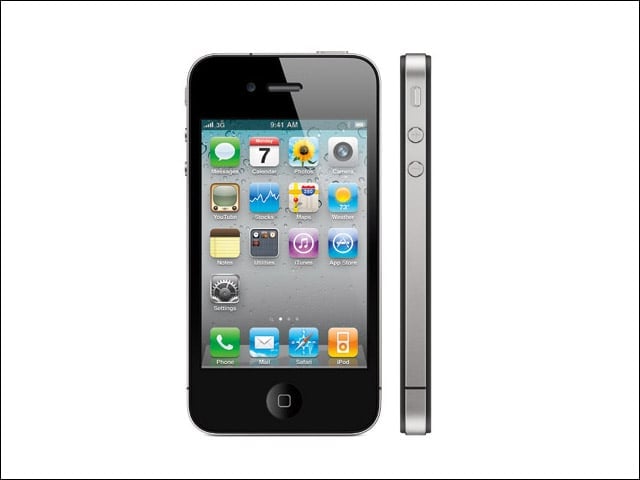
Apple CEO Steve Jobs introduced the iPhone 4 June 7 at the company’s Worldwide Developers Conference. While its new features and longer battery life will doubtlessly appeal to consumers, the smartphone faces rising competition from Android devices. In many ways, Google’s smartphone strategy is the opposite that of Apple’s—and it may be working.
A Question of Control
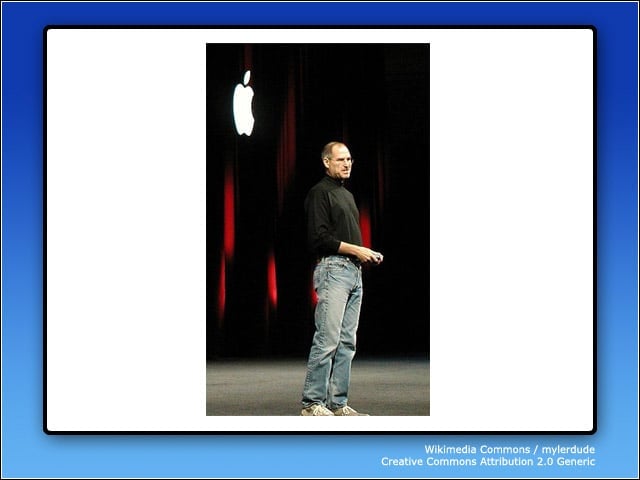
With the iPhone, as with the Macs, Jobs has a singular philosophy: Keep tight control of both hardware and software. This differs from Googles strategy, which involved opening Android to various smartphone manufacturers. But then, Apple has traditionally had issues with clones and outside manufacturers.
Failed Cloning
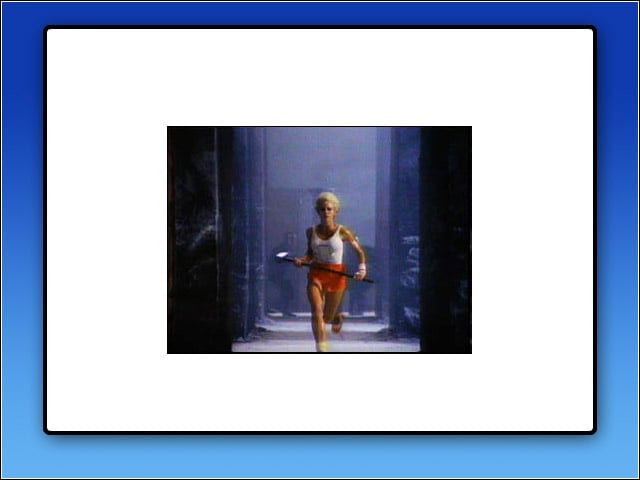
In 1994, a decade after its now-iconic “1984” Super Bowl ad (seen here), Apple controlled around 10 percent of the PC market. Hoping to claim even more, the company licensed its OS to clone manufacturers, including Motorola. The market, however, failed to respond.
Jobs Return
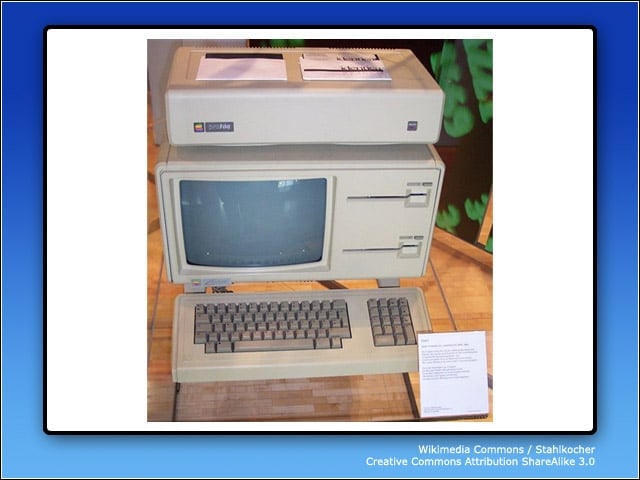
After returning to Apple in 1997, Jobs terminated the licensing deals with manufacturers for Mac clones. That allowed Apple to streamline its brand. Theories abound, however, that if the company had decided to license the OS earlier in the 1980s, it might have surpassed Windows in market share. Seen here is the Apple Lisa, which debuted in 1983 and ran a graphical UI.
Microsoft and Google
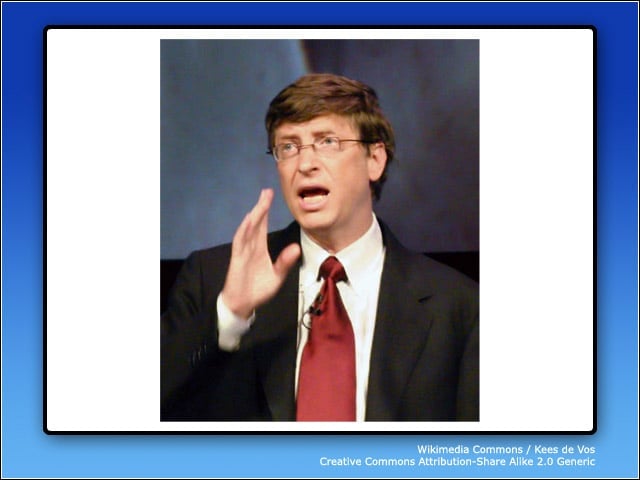
Microsofts own strategy during this period worked wonders for its market share: Negotiate with a variety of manufacturers to preinstall Windows on their machines. Googles strategy with Android today, at least in broad strokes, seems to emulate that model.
iPhone Updates
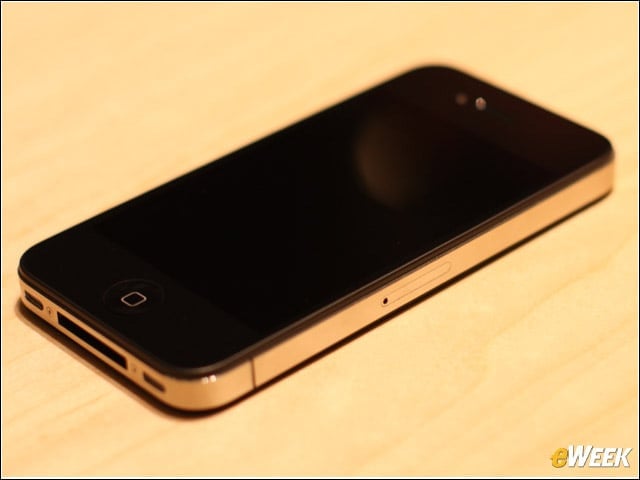
Apple has traditionally refreshed its iPhone franchise every summer. The iPhone 4 encompasses not only some substantial hardware updates, but also a major OS update with iOS4, which contains new features such as multitasking.
Androids Rapid Refreshes
Android, meanwhile, is engaged in a much faster refresh cycle. Even as Android 2.2 emerges from the development labs, rumors abound that Android 2.3 could be released by the fourth quarter of 2010. Each succeeding version contains features for both consumers and the enterprise.
Android on the Rise
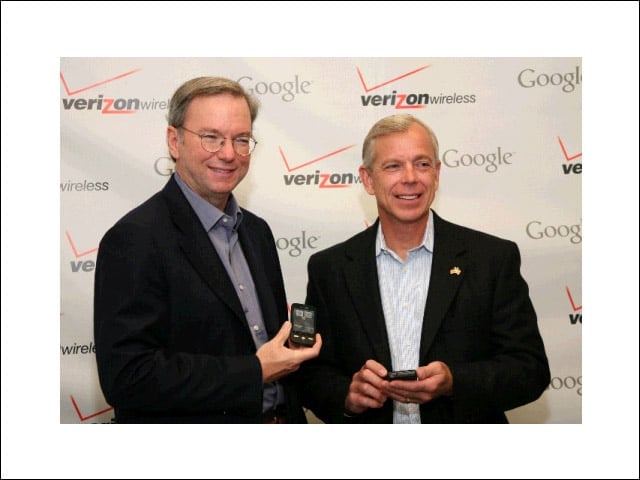
Android underlies about 60 smartphones today, including the one being shown off by Google CEO Eric Schmidt in this photo, and that number is expected to increase by the end of 2010.
HTC Evo 4G
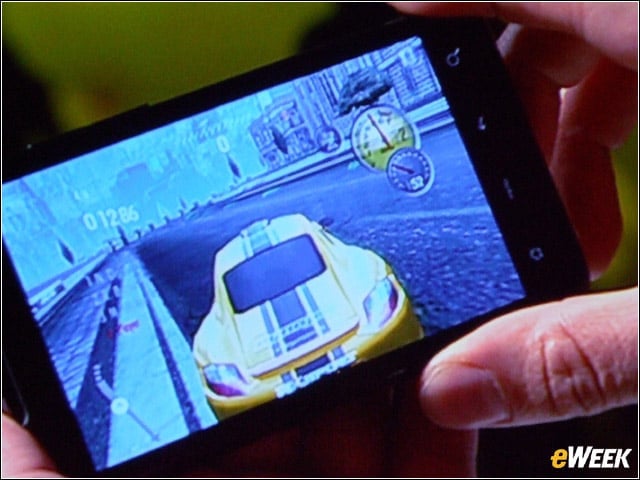
The HTC Evo 4G, which utilizes a 1GHz Qualcomm Snapdragon processor to power multimedia, is one of the Android devices touted as a more robust iPhone competitor.
Apples Niche Play
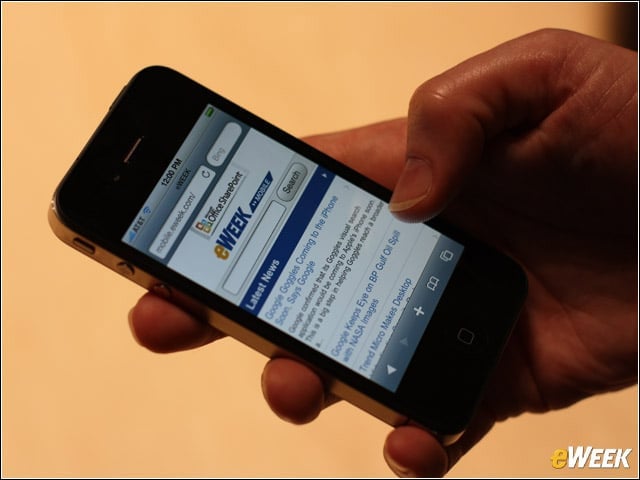
With the Mac line, Apple hit upon the strategy of appealing to an “ultra-quality” niche—and cornered the market for higher-end PCs. Apple has marketed the iPhone as a top-of-class smartphone equivalent, but a flood of Android devices on a variety of different carriers (the iPhone remains restricted to AT&T) presents a strong counter-argument for variety and convenience.
App Stores
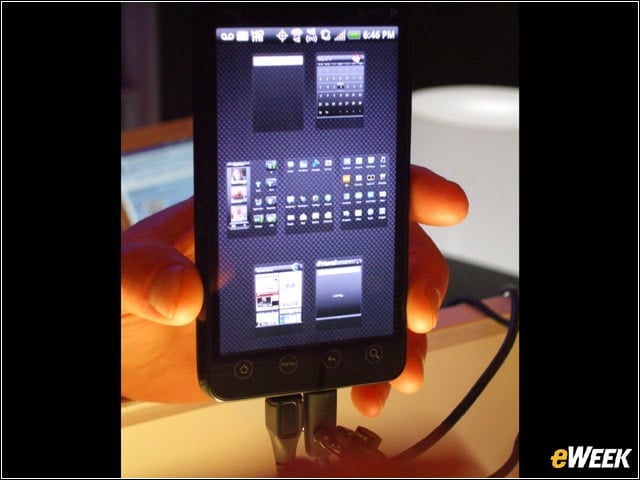
While the iPhone contains a number of useful features—not to mention tens of thousands of third-party apps—Android devices also boasts user-friendly navigation and a variety of cool toys. With regard to number of apps, Android Marketplace is catching up to Apples App Store.
Google Goggles
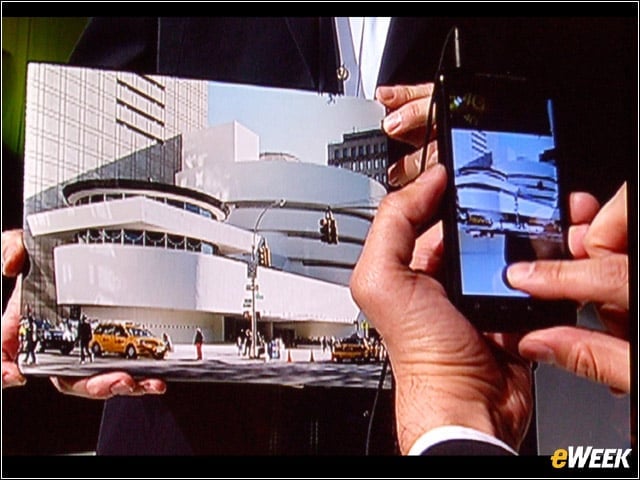
Androids rapid refresh cycle means it can quickly bring new features to market, such as Google Goggles, an image-recognition application that takes images of the environment and then serves up any information about relevant landmarks, artwork, businesses, etc.
Samsung Galaxy S
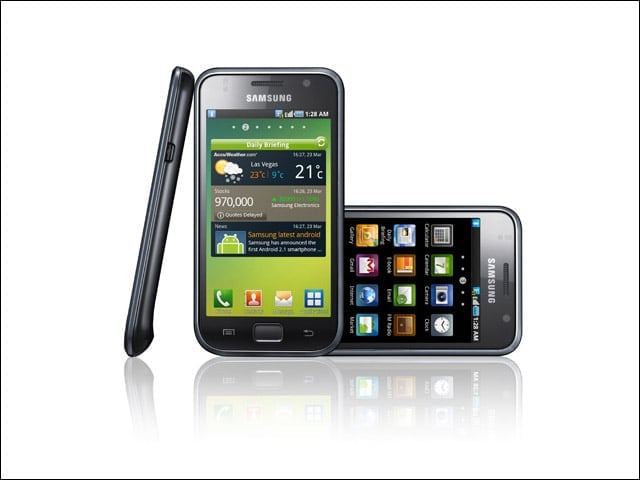
Other Android phones due for release include the Samsung Galaxy S, which will include a 4-inch super-AMOLED display and Android 2.1.
Apple and AT&T
Apples partnership with AT&T, which is the exclusive carrier of the iPhone in the United States, could become more of a competitive disadvantage if users decide they want to stick with Verizon or another carrier and purchase an Android device offered by those companies as an iPhone alternative.
Apple in the Lead, for Now
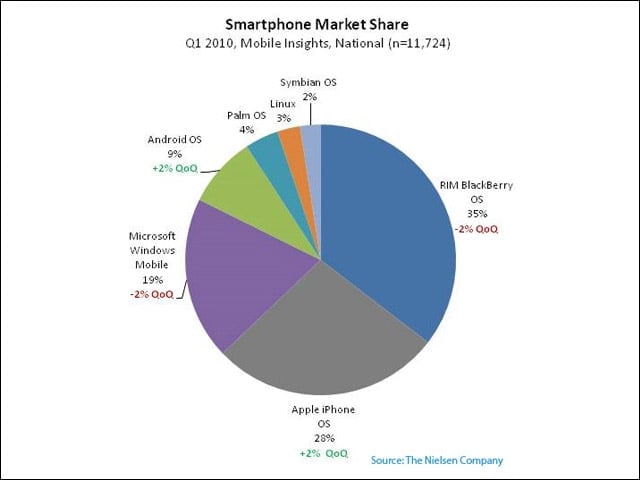
Nielsen claims Apple’s iPhone smartphone market share was 28 percent through the first quarter of 2010, more than tripling the 9 percent share garnered by Google’s Android platform. Android adoption is growing, however, with analysts predicting that Android may eventually surpass the iPhone for market share.