







- Why Samsung Started Struggling in the Mobile Device Market
- Apple Is a Major Concern
- Chinese Consumer Demand Is Changing
- There’s More Pressure in China
- Samsung Has an Application and Service Integration Problem
- There Are Too Many Smartphones in Europe
- Samsung’s Low-End Devices Aren’t Selling Well
- Samsung Missed the Boat on 4G LTE Support
- Tablet Sales Are Disappointing
- Samsung Is Struggling to Catch On in Enterprises
- Tizen Isn’t Winning Market Share
Why Samsung Started Struggling in the Mobile Device Market
by Don Reisinger
Apple Is a Major Concern
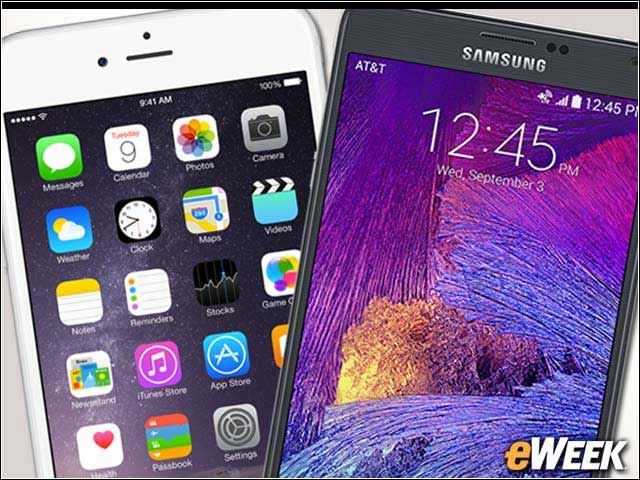
Apple is arguably the biggest threat facing Samsung right now. In a recent Bloomberg report, analysts suggested that the launch of the larger iPhone 6 and iPhone 6 Plus puts major pressure on Samsung, which has clung to its strength in delivering larger screen sizes. Now that Apple has fought fire with fire, Samsung has lost the high ground in the mobile market.
Chinese Consumer Demand Is Changing
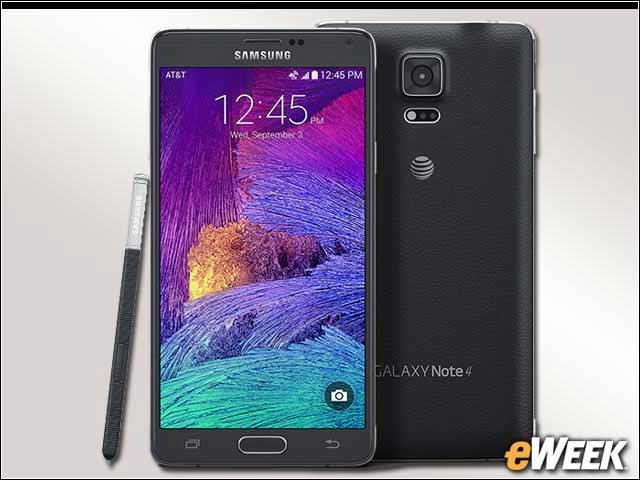
Chinese consumers for a long time would buy Samsung products in huge numbers because they were new to the smartphone game and wanted to go with a company they trusted. However, recent data has shown that demand is changing and Samsung’s market share in China is eroding as tastes change. Samsung itself acknowledged the fact in a letter to investors earlier this year and promised some changes.
There’s More Pressure in China
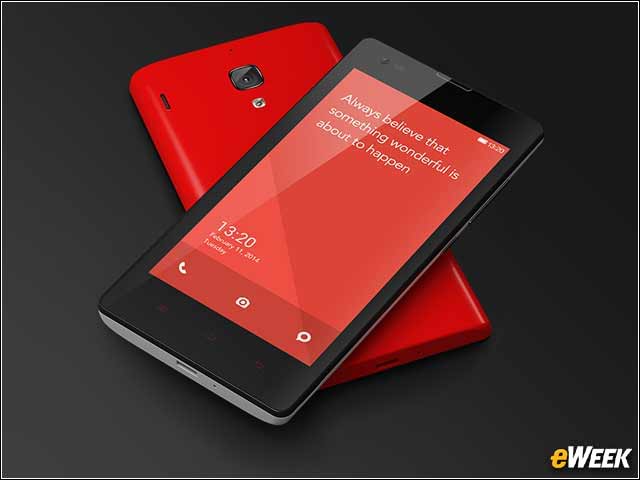
So, what exactly is happening in China? For one thing, the company is facing more pressure from a wide range of competitors. Although Apple wants to sell a lot more of its products in China, it’s a domestic Chinese device maker, Xiaomi, that is becoming hugely popular by offering products that get the same kind of hype that Apple’s iPhones enjoy in the U.S. Lenovo, LG, Huawei and several China-based device makers have also joined in by filling the market with products and making it harder for Samsung’s devices to win buyer mindshare.
Samsung Has an Application and Service Integration Problem
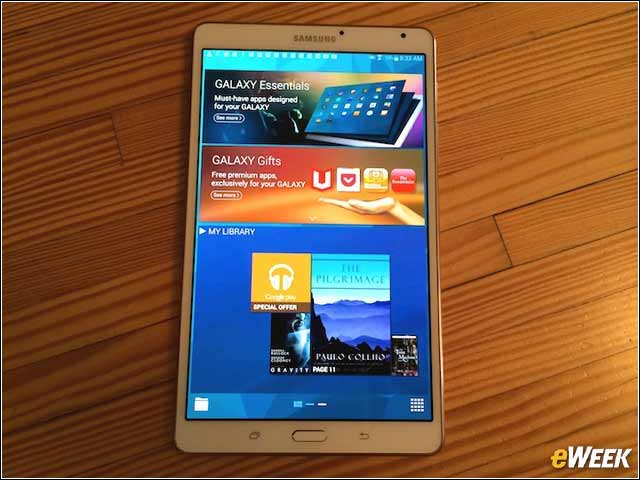
Samsung has tried with its TouchWiz platform that sits atop Android to get people more invested in its Samsung Apps marketplace, its Samsung music platform and other integrated services. Still, when new apps are made available or updates are brought to market, developers focus first on Google Play and Apple’s App Store. Amazon’s Appstore is next in line. In data released earlier this year by Distimo, Samsung’s app store didn’t even show up in its evaluation of revenue generation for developers. Samsung has a problem getting people to use its integrated services. And that, in turn, makes it easier for smartphone buyers to go to other platforms without fear of losing data.
There Are Too Many Smartphones in Europe
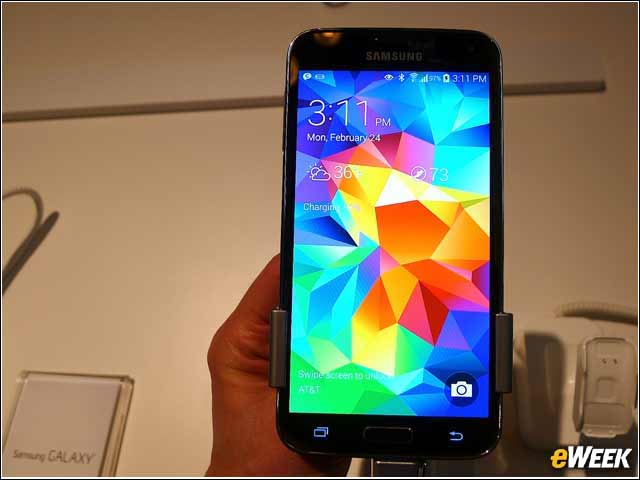
In a letter earlier this year, Samsung acknowledged that it failed to understand the market dynamics in Europe. The company said that it shipped too many low- and midrange devices to Europe, resulting in a glut of smartphones that never left store shelves. That hurt Samsung’s market share in Europe, the company said, and could continue to be a problem for the firm in the coming years.
Samsung’s Low-End Devices Aren’t Selling Well
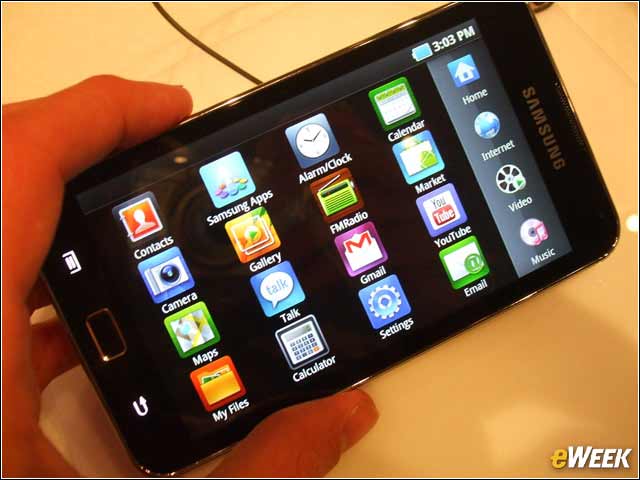
The company experienced declining demand for low-end smartphones in key markets around the world, according to the same market letter Samsung released earlier this year. That’s extremely bad news for Samsung. Part of the company’s success has been in sales of lower-end mobile devices. That customers are now seeking larger handsets that can do more means Samsung needs to take on Apple and Xiaomi, two companies that have proved to be formidable competitors.
Samsung Missed the Boat on 4G LTE Support
Samsung made a major blunder when late last year and earlier this year it focused its products in China on 3G technology. While 3G was the de facto technology leader in China, consumers want 4G LTE service wherever it’s offered in the world. By offering products that lacked LTE support, Samsung was left out of the market entirely. That was a major mistake that it needs to address immediately.
Tablet Sales Are Disappointing
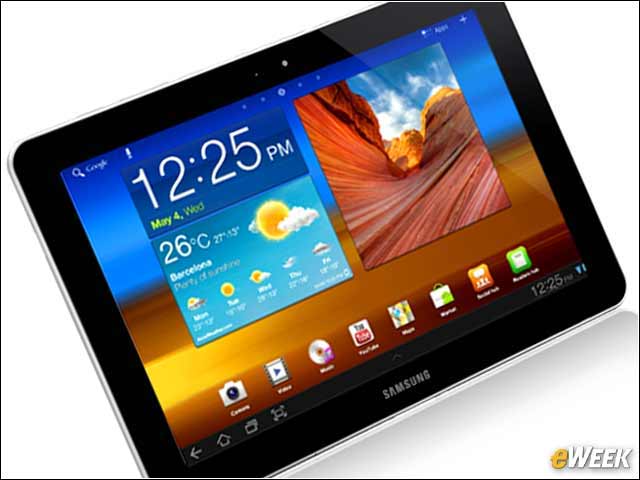
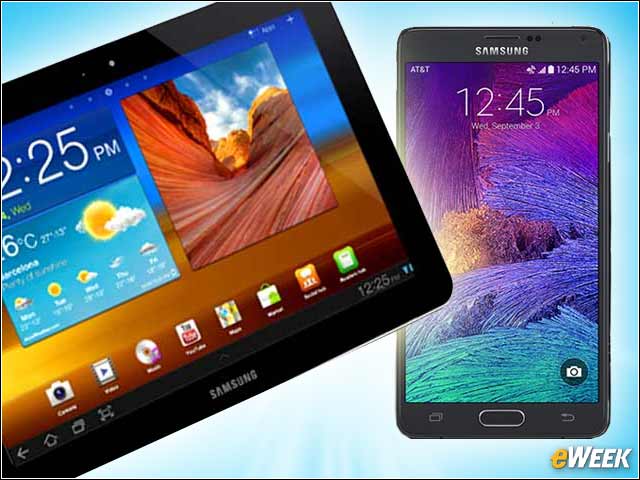
Samsung has said publicly that tablet sales are disappointing. While the company never dominated the space, its Galaxy Tab has sold respectably in some markets. However, the company indicated that it’s seeing longer replacement cycles in the tablet space, and phablets are cannibalizing lower-end tablet sales. How Samsung will address that is unknown at this point.
Samsung Is Struggling to Catch On in Enterprises
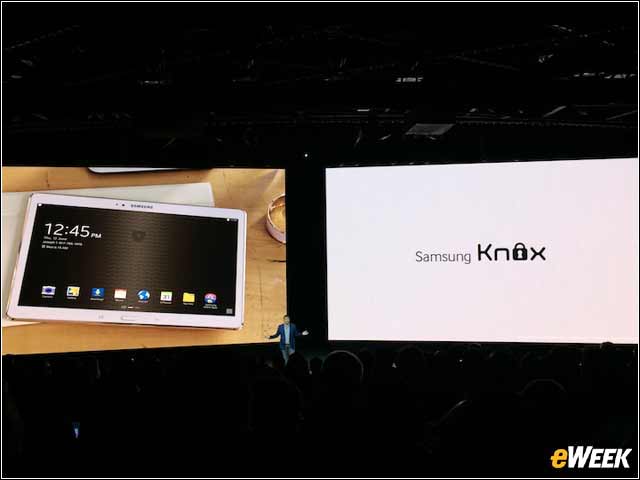
Samsung is trying to find its path to the enterprise with help from its security platform Knox. While that’s a smart move in concept, it has yet to fully take hold. Apple’s recent announcement of a partnership with IBM has spurred more interest in iOS devices in the corporate world, and Apple itself claims that nearly all Fortune 500 companies are at least testing iPads in the office. So if Samsung wants to move on the enterprise, now is the time. If it doesn’t act swiftly, it could be left out.
Tizen Isn’t Winning Market Share
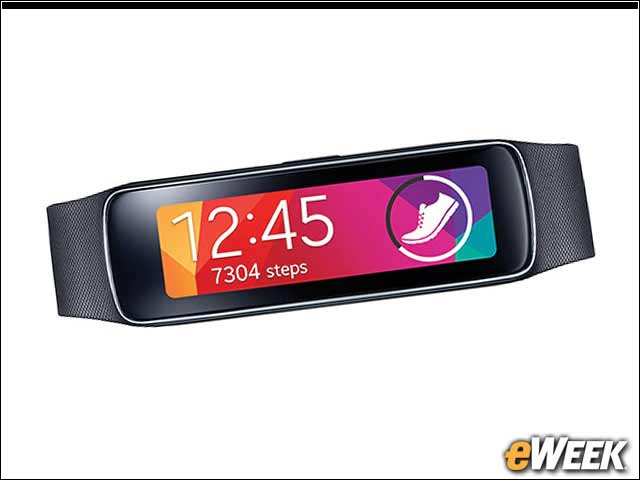
Samsung believes that it can separate itself from the pack by offering an alternative operating system in the form of Tizen. So far, the operating system hasn’t caught on in the smartphone market, but has come to the company’s wearables. The trouble, however, is that Tizen is a relatively unknown operating system with little to no market share. To be successful, it will need to take on iOS and Android in smartphones and tablets, and that is a difficult match-up.