

Both good news and bad news followed the June publication of NetChoice’s 10 worst Internet laws. The good news: Three of the proposed laws disappeared. The bad news: New laws emerged to replace the ones that went away.
To mark the change in the lineup of bad Internet laws, NetChoice Aug. 18 issued a new iAWFUL (the Internet Advocates’ Watchlist for Ugly Laws) list. “Beating back bad Internet laws is like playing whack-a-mole,” said NetChoice Executive Director Steve DelBianco.
According to NetChoice, the new No. 1 bad idea comes Maine, where lawmakers recently approved legislation requiring Websites to obtain “verifiable parental consent” before collecting personal information from teenagers. It also prohibits using that information for marketing products to minors. In addition, the legislation imposes strict liability that would prevent common marketing practices used to serve teens information, including marketing materials from colleges and test prep services. The law takes effect Sept. 12.
The Maine law allows for lawsuits that can seek as much as $250,000 per violation.
“We’re probably going to sue over this one,” DelBianco told eWEEK. “The attorney general and the bill sponsors are well aware there are problems with this law. Verifiable parental consent is nearly impossible on the Internet.”
A new New York City regulation takes over the No. 2 spot on the iAWFUL list. The New York City ordinance imposes a 20 percent tax on service fees charged by online travel Websites, a move opposed by more than 100 NYC hotels and by the American Society of Travel Agents. New York City already collects a 20 percent tax on hotel room charges.
“The unfairness of the proposal-coupled with its potential for wider adoption outside of New York City-makes this among the very worst in the iAWFUL list,” DelBianco said.
Also making debuts on the iAWFUL list are new taxes on digital downloads in Colorado and Washington, a bill that would limit Internet advertising in Massachusetts, and a North Carolina bill that would target commission-based online advertising.
“The Internet is increasingly under attack as lawmakers seek to mandate technological behaviors, impose new taxes and otherwise restrict the free flow of information and commerce online,” said DelBianco. “While we were pleased to see some measures fall off the iAWFUL list … new attacks on innovation and online freedom have arisen to take their place.”
The three items from the original June list that NetChoice says have been resolved include a California bill that would have forced unworkable technical restrictions on the posting of photos to social networking pages, a Connecticut proposal that would have required sales tax collection by out-of-state businesses that pay commissions to in-state affiliates and yet another Connecticut idea to let police conduct searches of homes where goods were being stored by online dealers-without having to obtain a search warrant.



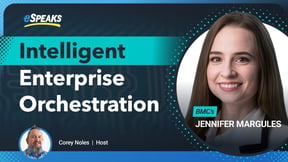
In dieser Folge von eSpeaks spricht Jennifer Margles, Director of Product Management bei BMC Software, über den Übergang von der herkömmlichen Jobplanung zum Zeitalter des autonomen Unternehmens.

eSpeaks’ Corey Noles spricht mit Rob Israch, President of Tipalti, darüber, was es bedeutet, Global-First Finance zum Leitprinzip zu machen, und wie Unternehmen in einer zunehmend unsicheren Welt skalierbare, regelkonforme Abläufe aufbauen können. Sie untersuchen, wie Automatisierung, KI und integrierte Plattformen Finanzteams dabei helfen, die größten Herausforderungen von heute zu bewältigen – von grenzüberschreitender Compliance und Wechselkursvolatilität bis hin zu […]
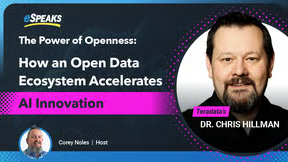
„Hier spricht Corey Noles mit Teradas Global AI Lead Dr. Chris Hillman, der erklärt, dass offene Daten- und Technologieökosysteme für Enterprise-KI unverzichtbar sind, weil sich das Feld zu schnell für geschlossene Ansätze einzelner Anbieter verändert. Hillman hebt Teradatas Interoperabilität mit AWS, Python-in-SQL, minimale Datenbewegungen, offene Tabellenformate, Feature Stores und die Bereitstellung nach dem Prinzip „Bring your own model“ über Formate wie ONNX und PMML hervor […]

Aktuelle Nachrichten - Ressourcen Ressourcen-HubsAusgewählte RessourcenLink to The Real AI Power Play: Who Controls Your Enterprise Data Layer? The Real AI Power Play: Who Controls Your Enterprise Data Layer?IT and data teams were promised that AI would make work easier. Instead, it's created new layers of complexity.Link to Building the Backbone of Agentic AI with Trusted, Context-Rich Data Building the Backbone of Agentic AI with Trusted, Context-Rich DataIn this 10-minute take video, Reltio Principal Solutions Consultant Guy Vorster explains how organizations can overcome fragmented data challenges to power AI agents.Link to IHG scales real-time, trusted data across global brands IHG scales real-time, trusted data across global brandsAccelerating time to value while powering data-driven engagementLink to Jennifer Margules von BMC über intelligente Orchestrierung von UnternehmenJennifer Margules von BMC über intelligente Orchestrierung von Unternehmen
In dieser Folge von eSpeaks spricht Jennifer Margles, Director of Product Management bei BMC Software, über den Übergang von der herkömmlichen Jobplanung zum Zeitalter des autonomen Unternehmens.
Link to Global-First Finance: Skalierbare, regelkonforme Abläufe in einer unsicheren Welt aufbauenGlobal-First Finance: Skalierbare, regelkonforme Abläufe in einer unsicheren Welt aufbaueneSpeaks’ Corey Noles spricht mit Rob Israch, President of Tipalti, darüber, was es bedeutet, Global-First Finance zum Leitprinzip zu machen, und wie Unternehmen in einer zunehmend unsicheren Welt skalierbare, regelkonforme Abläufe aufbauen können. Sie untersuchen, wie Automatisierung, KI und integrierte Plattformen Finanzteams dabei helfen, die größten Herausforderungen von heute zu bewältigen – von grenzüberschreitender Compliance und Wechselkursvolatilität bis hin zu […]
Link to eSpeaks: BYOM with Teradata’s Dr. Chris HillmaneSpeaks: BYOM with Teradata’s Dr. Chris Hillman„Hier spricht Corey Noles mit Teradas Global AI Lead Dr. Chris Hillman, der erklärt, dass offene Daten- und Technologieökosysteme für Enterprise-KI unverzichtbar sind, weil sich das Feld zu schnell für geschlossene Ansätze einzelner Anbieter verändert. Hillman hebt Teradatas Interoperabilität mit AWS, Python-in-SQL, minimale Datenbewegungen, offene Tabellenformate, Feature Stores und die Bereitstellung nach dem Prinzip „Bring your own model“ über Formate wie ONNX und PMML hervor […]
Künstliche Intelligenz Video Big Data & Analytik Cloud Netzwerk - Cybersicherheit Cybersicherheit
- Anwendungen Anwendungen
- IT-Verwaltung IT-Verwaltung
- Speicherung Speicherung
- Mobil Mobil
- Kleine Unternehmen Kleine Unternehmen
- Entwicklung Entwicklung
- Datenbank Datenbank
- Server Server
- Android Android
- Apple Apple
- Innovation Innovation
- PC-Hardware PC-Hardware
- Bewertungen Bewertungen
- Suchmaschinen Suchmaschinen
- Virtualisierung Virtualisierung
-
- Blogs Blogs
- Ereignisse Ereignisse