







- Facebook’s Oculus VR Buy Looks Like a Bad Idea: 10 Reasons Why
- It’s Way Too Expensive
- How Is It Social?
- VR Is Old News
- Is It a Gold Rush?
- Zuckerberg Doesn’t Want Its Core Function
- Facebook Isn’t Google
- It’s Not a Consumer Product
- It Ostracizes the Backers
- Where Does the Web Stop and Hardware Begin?
- It Hurts Facebook’s Future Acquisition Prospects
Facebook’s Oculus VR Buy Looks Like a Bad Idea: 10 Reasons Why
by Don Reisinger
It’s Way Too Expensive
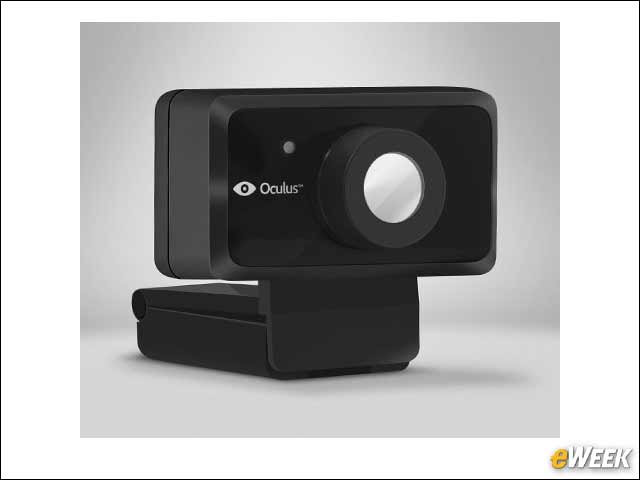
Yes, Oculus came along with an interesting idea, but are we really to believe that a company that has yet to launch a consumer product is worth $2 billion? Facebook paid the company $400 million in cash, gave it 23.1 million of its shares and offered an additional $300 million in earn-outs all for a company that hasn’t actually brought a product to the market. Wow.
How Is It Social?
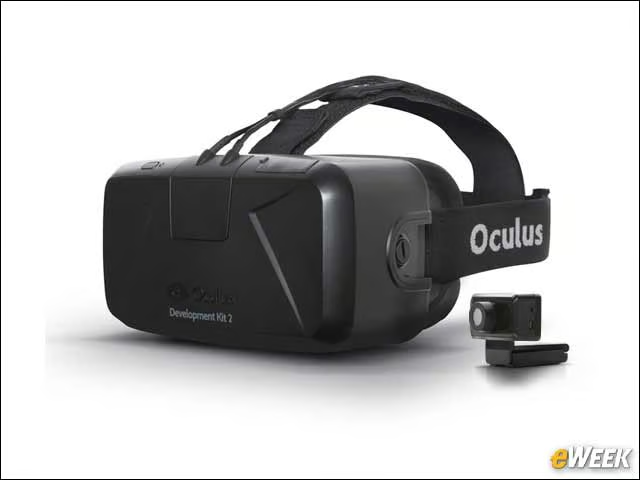
Zuckerberg tried to make the case that virtual reality is the future of social and communication. But let’s not forget that virtual reality has been around a long time and it’s always been a very personal, solitary experience. Although Zuckerberg would like to see Oculus turn into a service that helps people communicate, it’s hard to see how a device that sits on your face, cutting you off from the world around you, will achieve that goal.
VR Is Old News
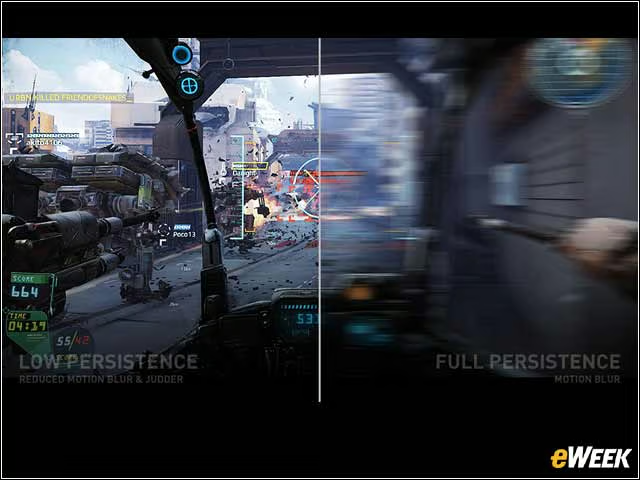
Virtual reality is nothing new. In fact, over the last few decades, there’s been at least one or two major companies to come along each decade and say that their VR is what the next generation looks like. Invariably, those companies fail and more come along, saying that they are the real next generation. So far, VR hasn’t succeeded. However, Zuckerberg seems to believe that, in the case of Oculus, history won’t repeat itself.
Is It a Gold Rush?

It’s possible that Facebook’s decision to acquire Oculus has something to do with the seeming gold rush going on in the industry right now. Google recently acquired Nest Labs for home automation to the tune of $3.2 billion, and Facebook swallowed up WhatsApp for $19 billion. These major Web companies are looking to spend cash to stay one step ahead of competitors. Oculus might just be the result of that. Still, Zuckerberg needs to ask himself one question: Is it a proper use of his company’s cash and stock?
Zuckerberg Doesn’t Want Its Core Function
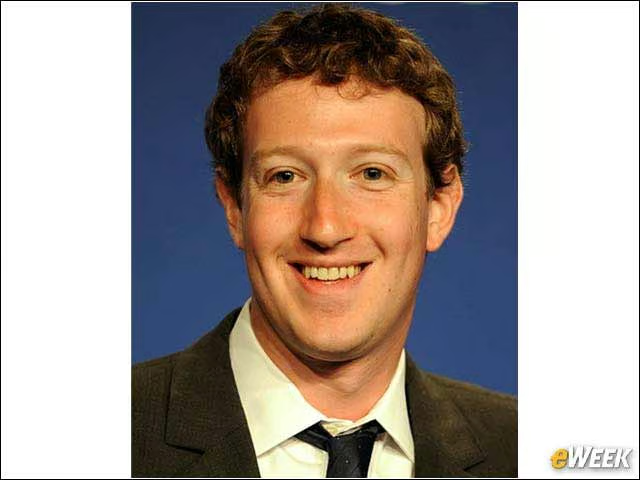
The main focus of Oculus’ VR technology is gaming. And while Zuckerberg mentioned gaming quickly in his prepared remarks, his focus was almost entirely on social and communication. If he didn’t acquire Oculus for its core function, why spend so much cash on the company? It doesn’t make sense—especially when it sounds like he’ll be throwing out the startup’s strategic plan to match his own vision.
Facebook Isn’t Google
As noted, Facebook might be trying to keep up with Google on the acquisition front. But it’s about time Zuckerberg realizes that he’s not running Google. The search giant has much more money in the bank and an immense amount of cash generated by search and advertising that are far more sustainable than social networking. If it’s a competition in spending Facebook wants, Google will win.
It’s Not a Consumer Product
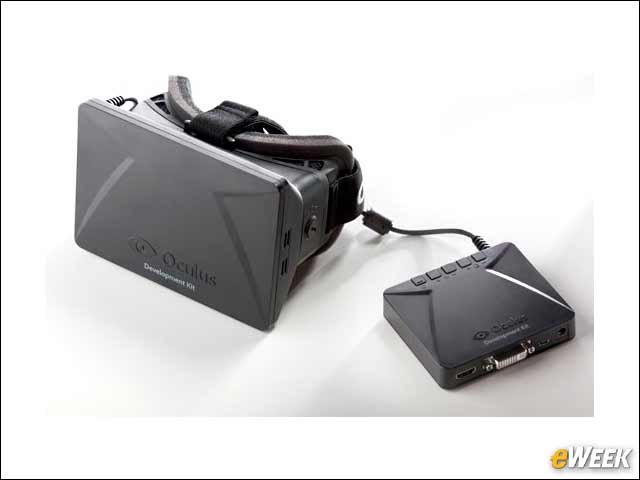
Although Oculus is designed for consumers, the truth is, the average consumer has no knowledge of the company’s idea, no concept of why it’s important and no reason to buy it. In other words, the vast majority of Facebook’s more than 1 billion users know nothing about Oculus and couldn’t care less about its functionality. Unless Zuckerberg has a plan to change that, it’s hard to see how he’ll get his money out of the technology anytime soon.
It Ostracizes the Backers

Oculus VR started as a Kickstarter darling. Since the acquisition announcement, however, the company’s original backers have revolted, saying that it’ll ruin the product and could mean that the device they backed from the outset might never hit store shelves. That’s a huge issue for Facebook. The small, niche market that Oculus appealed to believed in the company because backers and core gamers thought they could get something tangible and worthwhile out of it. Now they’re concerned they won’t. Unless Zuckerberg allays those fears quickly—something he doesn’t appear to have any desire to do—it could spell trouble for Oculus’ future.
Where Does the Web Stop and Hardware Begin?

At what point would a company like Facebook finally realize that its tentacles are stretching too far? One can make the argument that Facebook acquiring a mobile-messaging service like WhatsApp makes sense, but a hardware-based firm offering virtual reality? Has Zuckerberg finally gone too far? Is it time to rein him in? There’s a point at which Web companies can try too hard to be something they’re not, and it gets them in trouble. Zuckerberg might have already passed that point with Facebook.
It Hurts Facebook’s Future Acquisition Prospects
Although Facebook’s shares are soaring and the company is flush with cash, spending so much on Oculus limits the social network’s ability to acquire other companies that might be more in line with its current strategic vision. There’s a finite amount of stock and cash that Facebook can give out, and so it needs to spend wisely. If it turns out that Facebook wasted $2 billion on Oculus with no return, it could find itself at a disadvantage when in negotiations with other firms that might be a better fit and a better option for revenue generation over the short and long term.