







- Organizations Favoring Multicloud Deployments, OpenStack Survey Finds
- OpenStack Is Used Mostly for Private Clouds
- Ironic Bare Metal Service Usage Is Growing
- OpenStack Users Are Also AWS Users
- Kubernetes Use Is Widespread
- Huawei, Red Hat Are Most Used Vendors to Power OpenStack Cloud
- Ubuntu Is the Most Widely Used Linux for OpenStack
- Ansible Is the Top OpenStack Deployment Tool
Organizations Favoring Multicloud Deployments, OpenStack Survey Finds
Multicloud deployments are increasingly becoming the norm, according to the November 2017 OpenStack User Survey. The 19-page report was released at the OpenStack Summit in Sydney, Australia, which ran Nov. 6-8, bringing together operators and developers to discuss and learn about the latest cloud technology developments. One of the highlights of the November 2017 user survey is the finding that nearly half (48 percent) of OpenStack users are also using another cloud technology. Within OpenStack itself there are multiple technologies that operators can choose to use. One service that an increasing number of operators are choosing it Ironic Bare Metal, with 21 percent of production OpenStack clouds now using the technology. In this slide show, eWEEK provides highlights of the November 2017 OpenStack User Survey.
OpenStack Is Used Mostly for Private Clouds
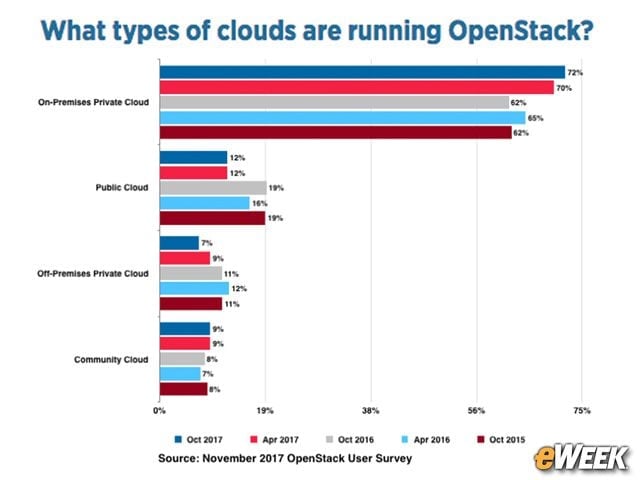
The majority of OpenStack deployments over the last several years have been on-premises private cloud deployments.
Ironic Bare Metal Service Usage Is Growing
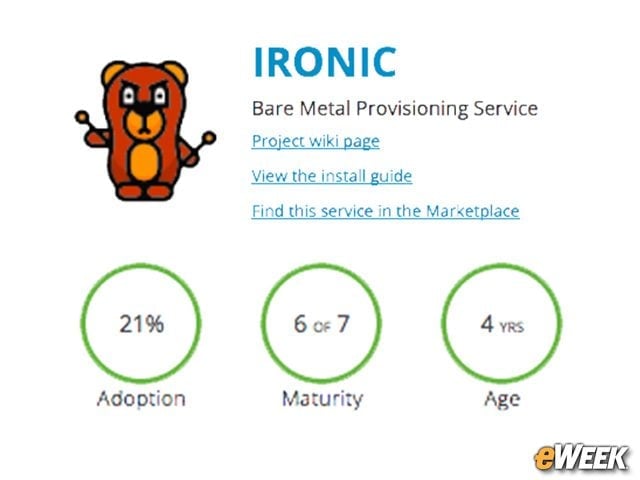
Usage of the Ironic Bare Metal service has grown to 21 percent of OpenStack cloud deployments, according to the November report, thanks in part to users running container orchestration frameworks on bare metal.
OpenStack Users Are Also AWS Users
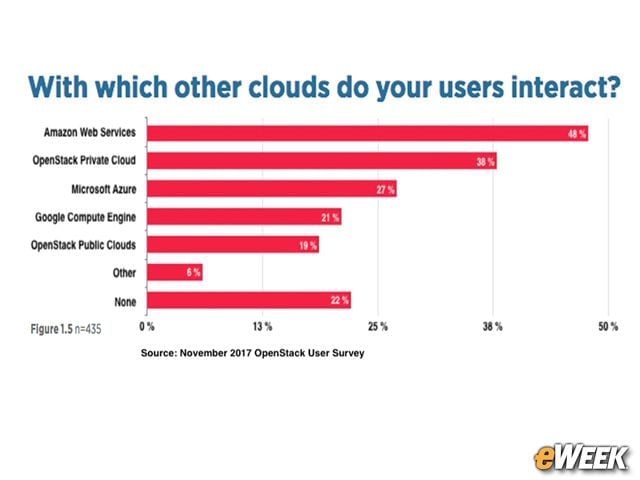
Forty-eight percent of respondents to the OpenStack User Survey said they also use the Amazon Web Services (AWS) cloud.
Kubernetes Use Is Widespread
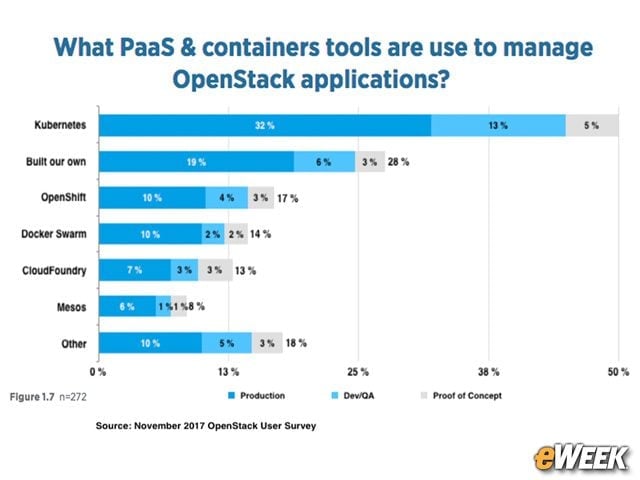
The open-source Kubernetes container orchestration tool is widely used by OpenStack users. According to the survey, 32 percent of users run Kubernetes to manage production OpenStack deployments, while an additional 13 percent use Kubernetes to manage development OpenStack environments.
Huawei, Red Hat Are Most Used Vendors to Power OpenStack Cloud
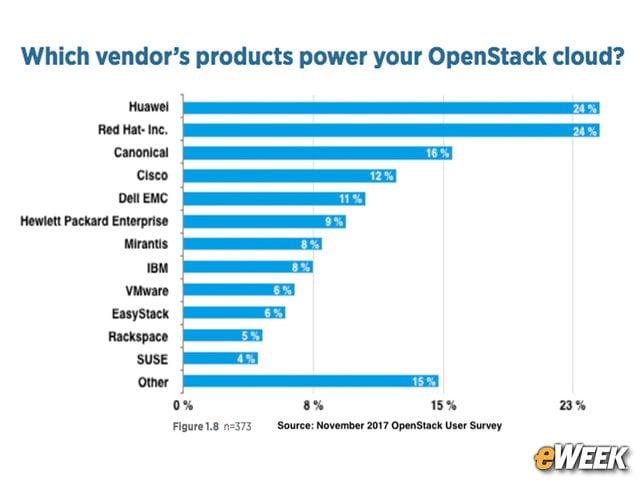
According to the survey, Huawei and Red Hat are tied for first place (at 24 percent each) as the top vendors that power OpenStack users’ clouds.
Ubuntu Is the Most Widely Used Linux for OpenStack
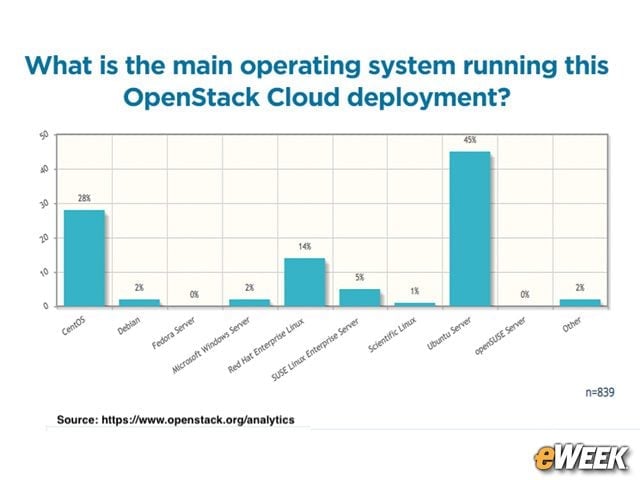
Although Canonical, the lead commercial sponsor of Ubuntu Linux, was only the No. 3 vendor used by OpenStack operators to power their clouds, Ubuntu is the most widely deployed operating system at 45 percent of deployments.
Ansible Is the Top OpenStack Deployment Tool
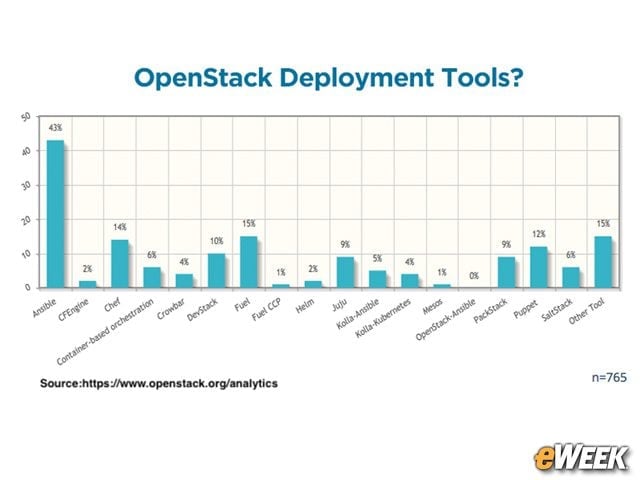
There are a lot of different tools that can be used to deploy an OpenStack cluster, with Ansible being the top choice (at 43 percent).