








Pronounced Just As It Appears

SPDY (derived from the word “speedy” rather than an acronym) is a TCP-based application-level protocol for transporting Web content. It is proposed by Google and is being developed as one of their Chromium open-source projects. A white paper on SPDY states that it is intended to augment, rather than replace, HTTP.
Who Knew?

Back when the Web was growing rapidly in the mid-1990s, nobody could have foreseen the mass quantities of connected devices that are now in use each day. The original Web protocols were simply not designed to handle this deluge of traffic; SPDY is specifically designed for this.
The Web, Circa 1998

Back in the day of the Apple iMac, large and heavy monitors, and largely static Web pages (remember GeoCities?), Web protocols were generally within their workload boundaries, because not a lot was asked in terms of performance. However, all this has changed greatly in 13 years—especially with the advent of millions of connected mobile devices pounding on Web servers 24/7.
Wasted Capacity on Current Web
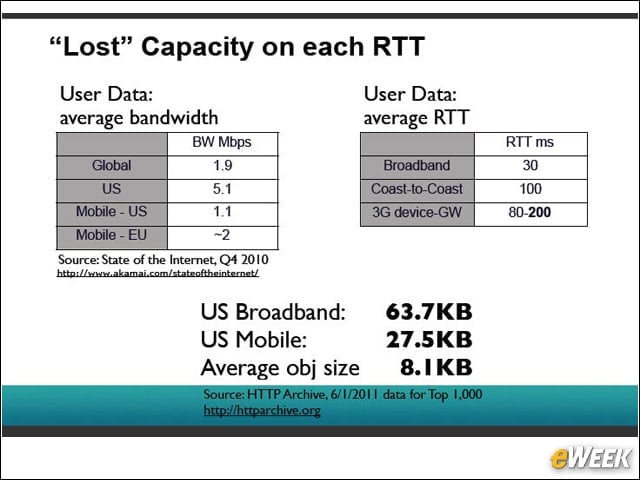
Web developers will recognize these fun facts about lost capacity on each connection and retransmission of Web properties. Due to the ever-increasing amount of data flowing through the Web in real time, research shows that efficiency is being lost using the old protocols.
What Exactly Is SPDY?
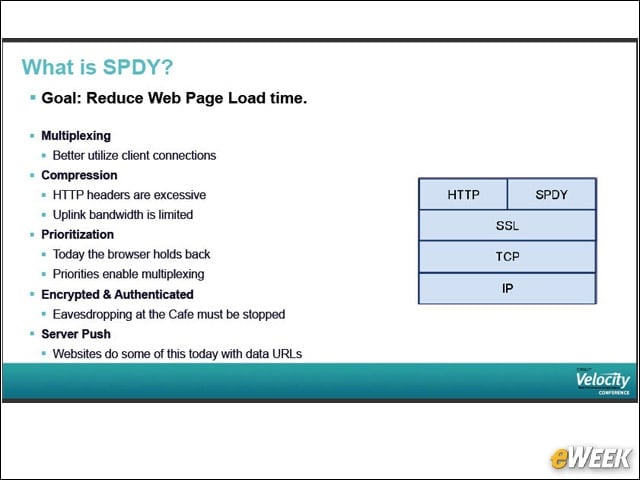
SPDY multipurposes, compresses, prioritizes, encrypts and then proactively pushes out the Web content faster than any current protocol can. Google, in tests within its own system over the last two years, has seen a steady 15 percent performance improvement during that time—and that’s a conservative estimate.
How the HPC Sites Work
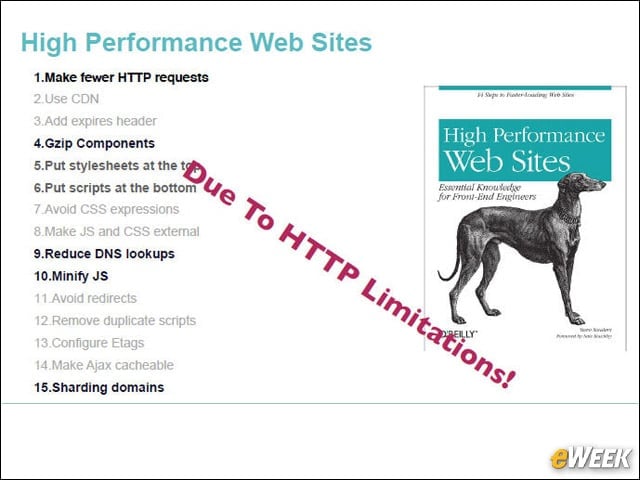
Lean Web code, fewer HTTP calls, compression and some other tidy-up components all add up to faster Web performance, which is what SPDY brings to the table. All the bold items here are currently hindered by HTTP and improved by SPDY.
Baseline vs. Progressive Page Loading
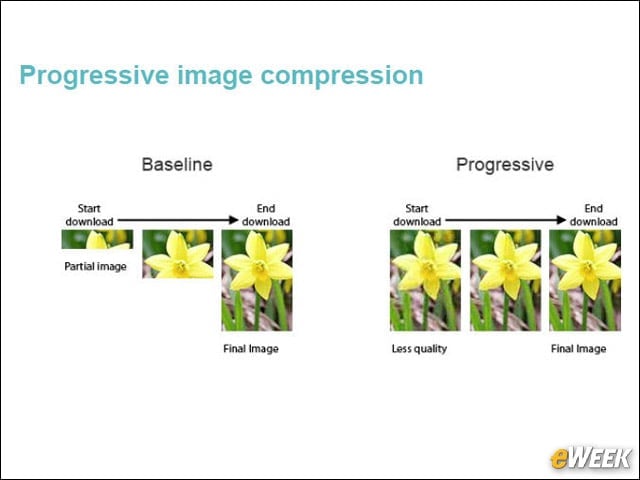
SPDY better serves progessive-type images due to the way it handles multiplexing requests and its ability to add portions of the page later. This saves both time and bandwidth.
Web Metrics That Tell a Story
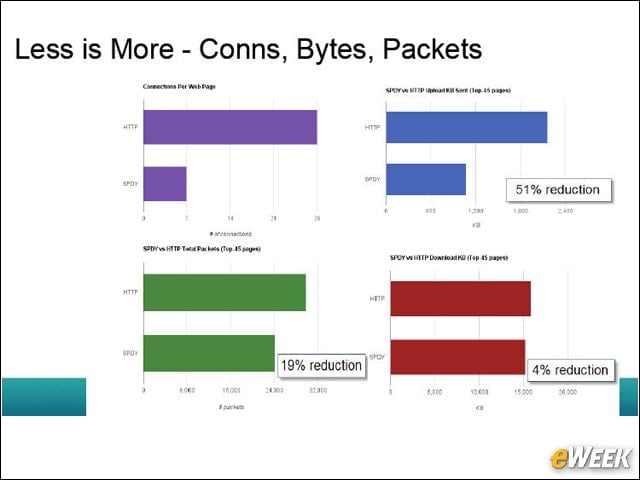
All of these familiar Web metrics (connections per Web page, kilobytes loaded, total packets sent, HTTP downloads) indicate that SPDY offers big advantages for higher performance in Web-page downloads. The biggest one, obviously, is a 51 percent reduction in kilobytes uploaded. Google is using this protocol in all of its corporate Websites.
15 Percent Overall Speed Improvement
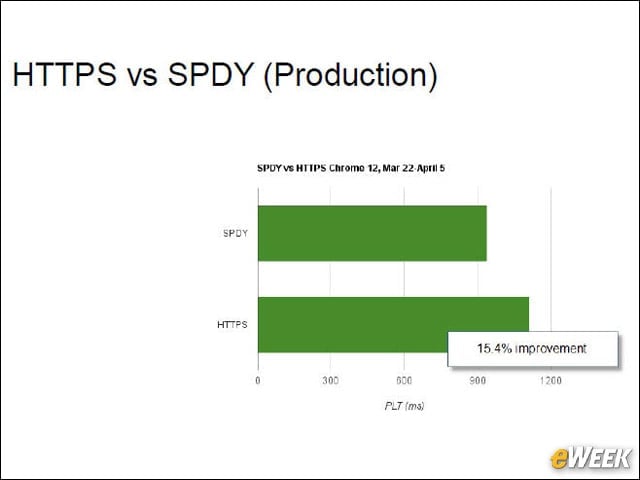
In all its studies over the last two years that SPDY has been a Google project, Web performance has shown a solid and steady 15 percent improvement. Lay that over large enterprise systems with high-transaction applications, and that can mean substantial improvements in overall IT performance, storage capacity and costs.
So Where Is It in the Process?
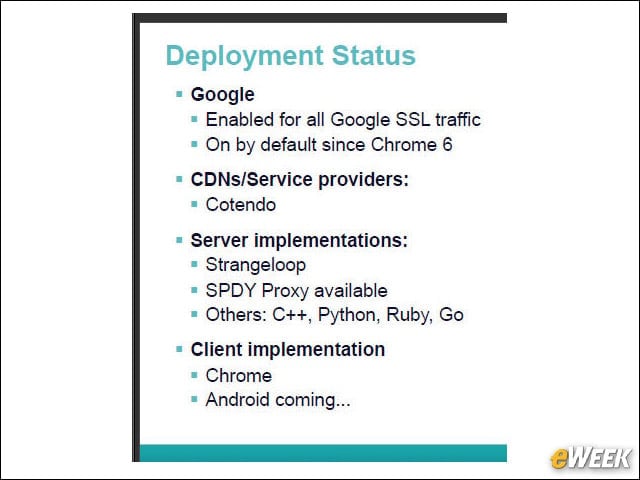
SPDY is now enabled for all Google-related SSL (Secure Sockets Layer) traffic and is included in Chrome 6. Cotendo is the first actual service provider, and a third-party server implementation has been developed by Strangeloop. It will take years for it to be implemented across the World Wide Web. But all IT starts small and, if successful, gets big.