






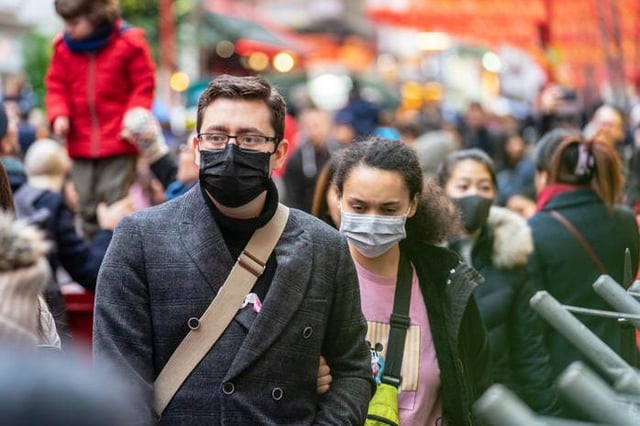

Unless you’re in the bleach, hand sanitizer or disinfectant business, you are probably concerned about the impact that the coronavirus is having on your business. Seemingly overnight, vague concerns in the U.S. about the ripple effect from China have spiraled into widespread fears. Stock prices have plunged and left many businesses worried about how much havoc the virus will wreak.
As far as I can tell, there’s no definitive playbook for how to best preserve our businesses and brand. But here are some of the “do’s” that can help you to weather the storm.
- Data Point No. 1: Do offer customers flexibility.
- Data Point No. 2: Do good if you can.
- Data Point No. 3: Do be a cleanliness freak.
- Data Point No. 4: Do provide your services remotely if you can.
- Data Point No. 5: Add new online channels.
- Data Point No. 6: Take advantage of slow times to work on the business.
- Data Point No. 7: Stay positive.
Data Point No. 1: Do offer customers flexibility.
Several airlines are proactively offering to waive change fees for a certain time period. This gives customers some breathing room to make the best travel decision and will increase loyalty to the brand.
Data Point No. 2: Do good if you can.
Zoho just announced it will provide Remotely, its new virtual collaboration and productivity platform, free of charge to anyone who needs remote working tools because of the coronavirus epidemic. Not all companies have something they can give away—or the financial wherewithal to do so. But think about the goods and services you offer, and see if there are any possibilities. Even a very small but meaningful offer will be remembered and potentially open the door to new paying customers down the road.
Data Point No. 3: Do be a cleanliness freak.
If you own a storefront, gym, restaurant or any other type of business that depends on foot traffic, make sure your facility is squeaky clean. Inform your customers about the extra measures you’re taking via signs, emails, social media, etc. Have lots of hand sanitizer and wet wipes out for customers to use. My YMCA has always done a good job with this, but has recently added more dispensers and posted signs reminding members to keep equipment clean. However, a friend of mine told me that the gym she goes to hasn’t taken any added precautions—and she’s considering switching. Would you rather visit a gym or restaurant that goes above and beyond—or the one that doesn’t?
Data Point No. 4: Do provide your services remotely if you can.
It’s tax time! Are you an accountant? Sign up for a video conferencing tool and offer your customers the opportunity to meet with you remotely. But this is just one example—there are many professionals, from attorneys to physicians, who can consider providing this option.
Data Point No. 5: Add new online channels.
If you don’t sell your products online, now is a good time to set up an e-commerce site or start selling through third-party channels such as Etsy or Amazon. You also want to build engagement on online social channels by offering relevant content to help people nest at home more comfortably. For instance, gyms can provide exercise videos, and restaurants can offer recipes to help people prepare healthy meals at home.
Data Point No. 6: Take advantage of slow times to work on the business.
Often, we’re so busy keeping up with day-to-day operations in the business that we don’t take time to work on the business. If things are slow, use that time to think about how you can run your business more efficiently, increase customer satisfaction and provide more value to your customers.
Data Point No. 7: Stay positive.
Easier said than done, right? But attitudes can be as contagious as viruses. Being realistic about what’s going on today but staying optimistic for the future signals resiliency to your customers and employees.
Of course, I could go through the list of “don’ts” as well. But in most cases, the “don’ts” are simply the mirror opposite of the “do’s.” Too many “don’ts” are likely to create a lingering negative impact for a business long after the virus has been tamed.
Dealing with uncertainty isn’t easy, and no one can predict exactly how long the coronavirus will impact businesses. But just as happened with 9/11 and the great recession, people and businesses will get through this crisis. Following the “do’s” on this list, you can strengthen your brand and position your business for success once the crisis abates.
If you have other tips to offer, please share them here!
Laurie McCabe is a co-founder and analyst at SMB Group, specializing in small-business IT. ©SMB Group 2020