






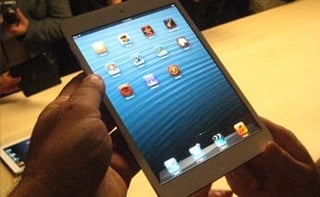


I have to admit that when I read Michelle Maisto’s story in eWEEK about Apple’s fight with the U.S. Patent and Trademark Office to get a trademark for iPad Mini, my first thoughts weren’t about Apple but instead about Austin Powers. I kept wondering if this was an attempt to prevent Dr. Evil’s even more malignant protégé Mini Me from using his name.
After all, Apple has tried strange intellectual property tricks in the past, such as trying to pass off a drawing of a rectangle as an invention, or trying to claim that only Apple could have an app store. But the more I thought about this, the more that obviously wasn’t the intent. BMW has been selling a car called the “Mini” for years, and it’s pretty clear that BMW and all of the other products with “mini” attached to their name couldn’t become the subjects of trademark suits because of this.
So obviously, Apple’s motivation for trying to trademark the name of the iPad Mini wasn’t to get control of the word “mini.” But that doesn’t mean that the USPTO wasn’t worried about that. This would explain the requirement for a disclaimer for the iPad Mini that says that that particular use of the word “mini” applies on to the iPad trademark and not to anything else.
The name “iPad Mini” is certainly consistent with previous practices by Apple. Apple also sells a Mac Mini and it used to sell an iPod Mini, which is in fact the first iPod I ever owned. In that sense, I think it’s possible to read too much into the use of the descriptor, “Mini” when referring to Apple products. There’s also no reason to assume that Apple was attempting to prevent anyone else from using the term, if only because it would have already done so years ago.
In fact, considering the trouble that Apple is having trying to trademark the name “iPad” and even “iPhone,” it’s a smart move. If Apple can trademark the full term, even with the disclaimer in the U.S., then international trademark conventions will give it at least some protection elsewhere. Right now that’s a problem for Apple, which has found that the iPad name was already in use outside the United States before Apple started using it, and that the term “iPhone” was in use in Brazil long before Apple introduced the first of its products with that name.
Apple iPad Mini Trademark Fight May Make Sense After All
The concern by the USPTO is understandable. Apple has been very aggressive in defending its patent and trademark turf for years, and in a number of cases its claims were dubious at best. But it doesn’t appear that this is one of those cases. Instead it just seems to be a way for Apple to protect the name.
But that leads to other questions. If Apple keeps running into problems with the names of its products, does this mean that Apple isn’t doing a very good job of searching out trademarks before it starts using them? Or more cynically, does it mean that Apple has simply decided to start patenting everything it can find, valid or not and let the courts sort it out? Likewise has the company simply decided to pick names it likes and to dare existing trademark holders to do something about it?
There’s certainly every reason to believe that Apple doesn’t try too hard to search for potential patent or trademark conflicts. It is, after all, the 800-pound gorilla in the tech business, and to some extent it can do what it wants to do. But even 800-pound gorillas can get sued by smaller creatures, sometimes just because they’re Apple. Likewise, Apple’s trademarks get filed in other countries before Apple has a chance to file everywhere.
Because of this guerrilla war on intellectual property, Apple also has a responsibility to protect its legitimate property. That means that if Apple names its small tablet the iPad Mini, it should be able to protect the name and there’s no reason for the USPTO to refuse to do it, even given the company’s checkered past in that area.
Apple isn’t completely out of the woods regarding its trademark application. The USPTO is requiring Apple to agree to the use of a disclaimer specified by the trademark office stating that it wasn’t asserting an exclusive right to use the word “mini” apart from the iPad tablet.
But assuming that Apple agrees that it’s not making any exclusive claim to the word “mini” except as it applies to the iPad, then the USPTO may decide to let it happen. Apple has 6 months to respond to the USPTO disclaimer requirement, or the agency will reinstate its refusal to grant the trademark. If I had to guess, I think Apple will agree to the disclaimer. At least it gets its trademark that way