






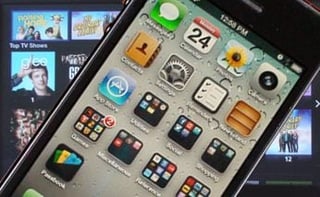

Apple has become the No. 1 mobile phone vendor by volume in the United States for the first time ever, with the company’s success driven by its popular ecosystem of iPhones and the App Store, generous carrier subsidies and extensive marketing of the new iPhone 5 model, according to a report from IT research firm Strategy Analytics.
Apple shipped 17.7 million mobile phones for a record 34 percent market share of the U.S. market in the fourth quarter of 2012, up sharply from 12.8 million units shipped and 25 percent share in the fourth quarter of 2011, according to Strategy Analytics. Apple’s worldwide smartphone shipments in last year’s fourth quarter reached 47.8 million units, up 29 percent from the same period in 2011.
Rival Samsung, although the top mobile handset manufacturer worldwide, had to settle for second place in the U.S. The company shipped 16.8 million mobile phones in the fourth quarter of 2012, good for 32 percent market share.
Samsung is regaining traction, however, with the report noting that market share rose 5 points from 27 percent a year earlier. Strategy Analytics analysts predicted that Samsung—which had been the top mobile phone vendor in the U.S. since 2008—would retake the crown in 2013 due to the expected success of its upcoming flagship Galaxy S4 smartphone.
Although LG struggled to compete with an Apple and Samsung onslaught in the high-growth smartphones last year, it remains the third-largest player in the market. The report estimated LG shipped 4.7 million mobile phones for a 9 percent share of the United States market in the fourth quarter of 2012, dipping from 6.9 million units and 14 percent share a year earlier. Updated models like the Optimus G 4G LTE, running Google’s Android operating system, could give the company a boost.
Overall demand among consumers for 4G smartphones and 3G feature phones caused handset shipments to grow 4 percent annually, to 52 million in the U.S. in the fourth quarter of 2012 from 50.2 million units in the same period in 2011. However, as the U.S. mobile phone market had previously contracted 16 percent for the first three quarters of 2012, yearly mobile phone shipments fell 11 percent from 186.8 million units in 2011 to 166.9 million in 2012.
Smartphones running Apple’s iOS operating system or rival Google’s Android platform represented a stunning 92 percent of the worldwide smartphone shipments in the fourth quarter of 2012, according to Strategy Analytics’ Wireless Smartphone Strategies service report.