






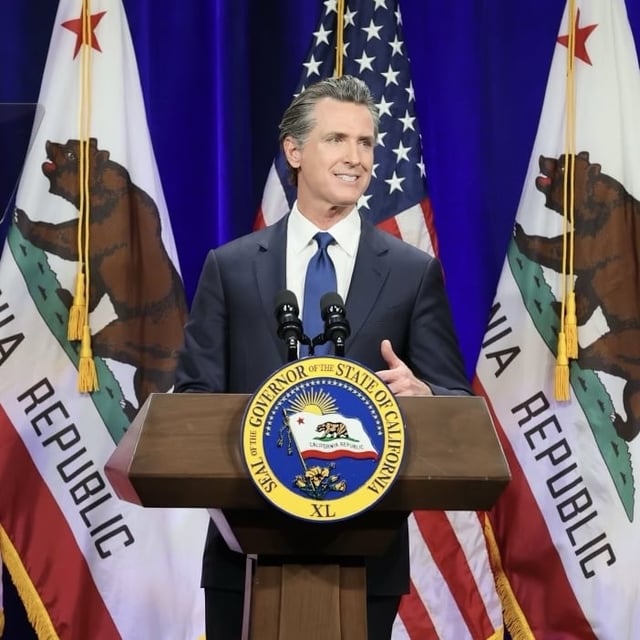


California is putting new guardrails around who gets to sell AI to the state. In a March 30 press release, Governor Gavin Newsom announced a new executive order tying California AI contracts to public safeguards on privacy, civil rights, and bias.
It also brings a larger role for AI in state government, with plans to expand its use in public services.
AI vendors may have to show how they manage real risks
The executive order gives state agencies 120 days to return with recommendations for new certifications that could be added to the contracting process for AI companies seeking state business. Those vendors may be asked to attest to their safeguards and explain how those protections work.
The order is specific about what California wants examined:
- Illegal content, including child sexual abuse material and non-consensual intimate imagery
- Harmful bias, or weak governance around that risk
- Civil rights and civil liberties concerns involving free speech, voting, discrimination, detention, and surveillance
California is creating a review process that looks past product claims before an AI tool reaches public-facing government services.
Some may face a steeper climb to qualify
One part of the order looks beyond the AI system to the company behind it. Newsom wants recommendations on whether state entities should continue doing business with companies that courts have found unlawfully undermined privacy or civil liberties.
A vendor’s court record could end up carrying weight alongside whatever assurances it gives the state about its AI tools.
There is also a Washington wrinkle. If the federal government labels a company a supply chain risk, California’s chief information security officer is directed to review that designation, and agencies can still be guided to keep buying from the company if the state decides the federal call was improper.
GenAI also gets a bigger seat at the table
Someone looking for disaster relief, trying to start a business, or searching for a job could end up meeting this order through a new state-built tool. Newsom is calling for a pilot app or website to organize government services around life events, giving Californians a more direct way to find help.
Within government, state employees are set to gain broader access to vetted GenAI tools for general work, with privacy and cybersecurity safeguards in place, while agencies are also being told to share best practices through existing state groups.
Some of the work sits further back: expanded training on emerging technology and AI, plus a data minimization toolkit for departments handling sensitive information, including templates, contract provisions, and review checklists.
California’s technology department is also directed to develop best-practice guidance for watermarking AI-generated or significantly manipulated images and video under existing state law.
Newsom builds his AI case against Washington
Newsom used the rollout to draw a direct contrast with Washington, accusing the federal government of pulling back standards and protections while California moves to tighten them around privacy, safety, and civil rights.
California still wants AI inside government, but under rules that Newsom can present as tougher than the federal approach.
A bipartisan push in Washington could make Chinese-made robots the next target in the US tech security crackdown.