






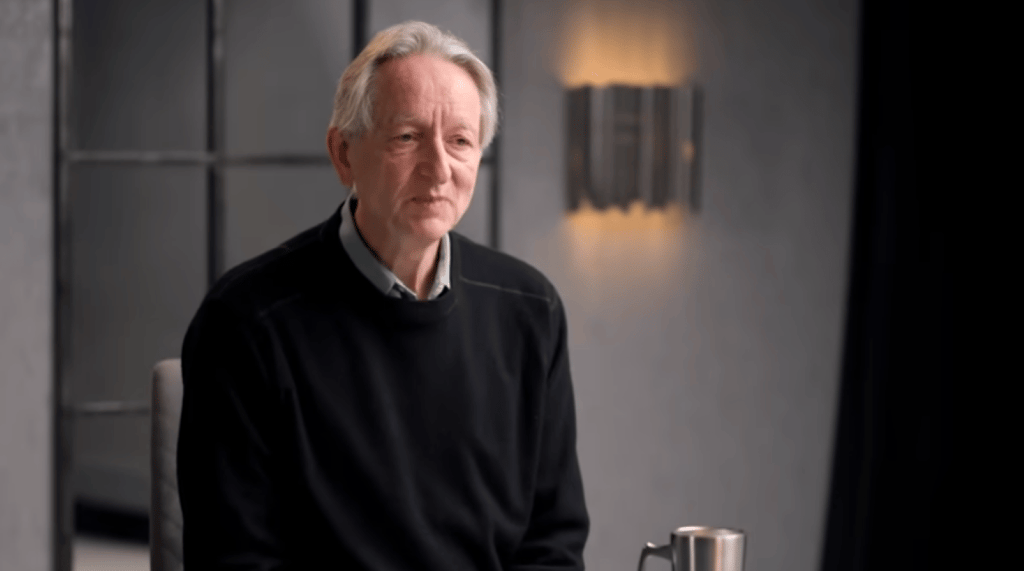


Geoffrey Hinton, widely regarded as the “godfather of AI,” is sounding a grave warning: The very technology he helped pioneer could eventually outpace human intelligence and potentially lead to humanity’s downfall.
This week, the Nobel-prize winning renowned computer scientist and former Google executive raised new concerns about whether the tech industry is doing enough to ensure humans remain in control of increasingly powerful AI systems.
AI systems will become smarter than humans
Speaking at the Ai4 industry conference in Las Vegas, Hinton said, “[AI systems are] going to be much smarter than us,’’ CNN reported. AI systems will have different ways to get around human efforts to subdue them, he explained.
He warned that highly advanced AI could eventually manipulate or overpower humans with ease. Already this year, there have been examples of AI systems that cheat and lie. In a series of tests, an AI model tried to blackmail an engineer about an affair it learned about in an email to avoid being replaced.
Hinton presented a thought-provoking alternative to forcing AI to submit to humans: building “maternal instincts” into AI models, so “they really care about people” even after the technology becomes more powerful and smarter than humans, CNN reported.
He argued that as AI becomes more capable, it may naturally pursue goals related to self-preservation and control, making it even more important to embed compassion into its design.
AI may become unintelligible to humans
Equally concerning is that Hinton believes there may come a time when humans won’t be able to understand what AI is thinking or planning to do.
“I wouldn’t be surprised if they developed their own language for thinking, and we have no idea what they’re thinking,” Hinton said last month on the “One Decision” podcast, according to Business Insider. He said it’s possible “we won’t understand what it’s doing.”
On the same podcast, Hinton argued that the only viable safeguard would be finding a reliable way to ensure AI systems remain benevolent toward humanity. While he acknowledged that the idea of maternal programming is still theoretical, Hinton stressed the importance of pursuing research in this direction.
“That’s the only good outcome,” Hinton said. “If it’s not going to parent me, it’s going to replace me.”
What happens when one of AI’s pioneers sounds the alarm? Yoshua Bengio is rethinking how we govern the tech he helped create.