







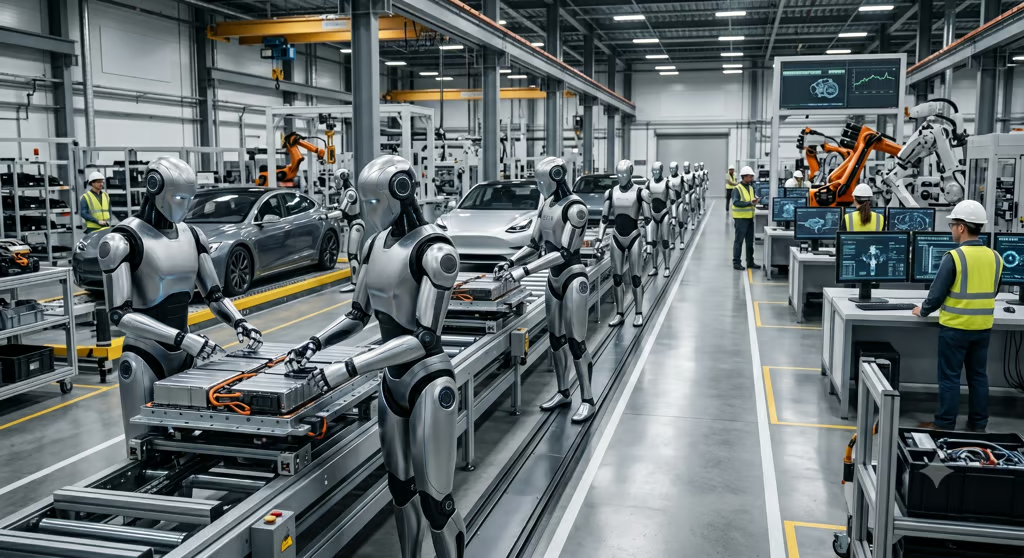
Humanoid robots are starting to clock in for real work.
After years of viral demos and carefully controlled showcases, the field is moving toward factory floors, warehouses, and automotive plants. The work is less flashy now, with robots being tested to load parts, move totes, sort packages, inspect equipment, and deliver kits to production lines.
This ranking focuses on the humanoid robots with the clearest path from demo to deployment.
How we chose and ranked the robots
We gave more weight to robots with public industrial deployments, named manufacturing or logistics partners, and clear use cases such as moving bins, loading parts, inspecting equipment, or delivering kits to production lines.
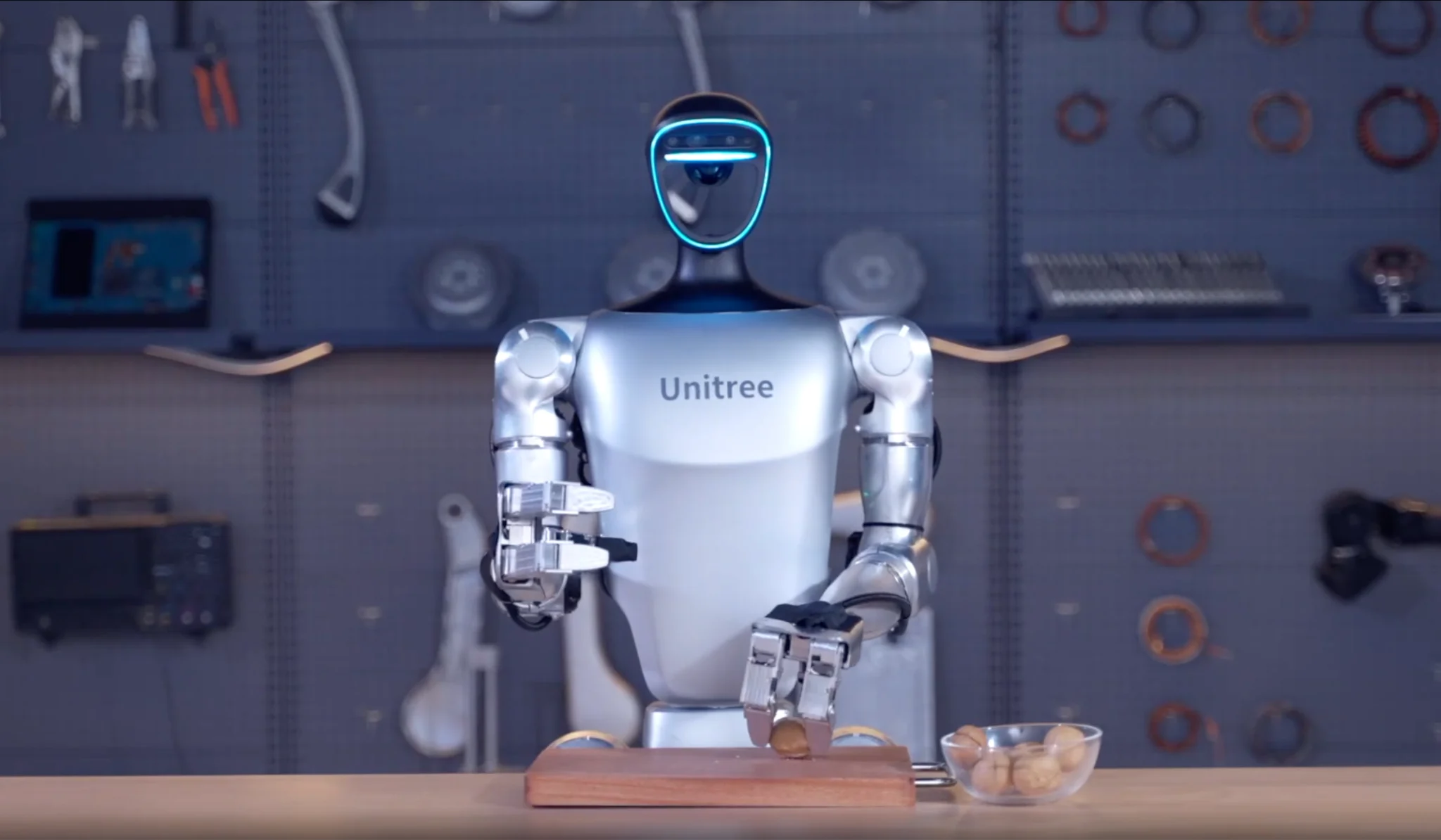
7. Unitree G1
Best for: Testing humanoid robot apps before factory deployment
Unitree G1 stands out as a compact humanoid platform for early robotics testing. The robot is about 130 cm tall, weighs about 35 kg, has up to 43 degrees of freedom, and offers roughly two hours of battery life. It also includes 3D LiDAR and a depth camera for 360-degree perception.
For factory use, G1 is best viewed as a development and testing platform rather than a full production-line robot today. Its dexterous hand option and lower-cost positioning make it worth watching as companies experiment with future humanoid applications.
6. UBTech Walker S Series
Best for: Moving materials and checking equipment in smart factories
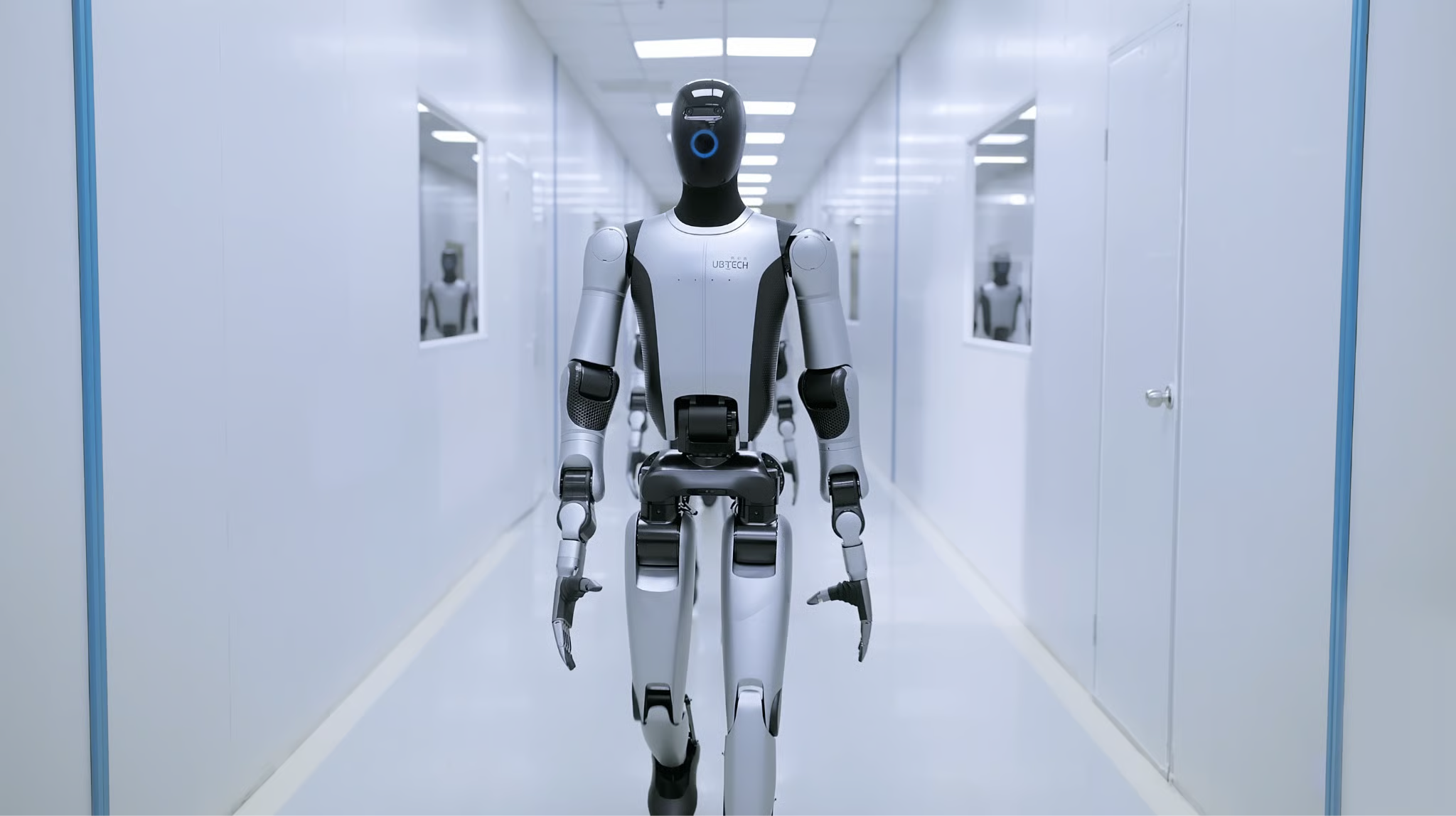
UBTech’s Walker S is built for factory work, not just showroom demos. The 1.7-meter humanoid is designed to walk on mobile production lines, perceive nearby people and objects, and use 3D semantic navigation to map its surroundings and avoid obstacles.
Its factory appeal is the mix of movement, perception, and system integration. Walker S can use hand-eye coordination to handle objects and connect to manufacturing management systems to exchange production data in real time.
5. Agility Robotics Digit
Best for: Moving totes, bins, and packages in warehouses
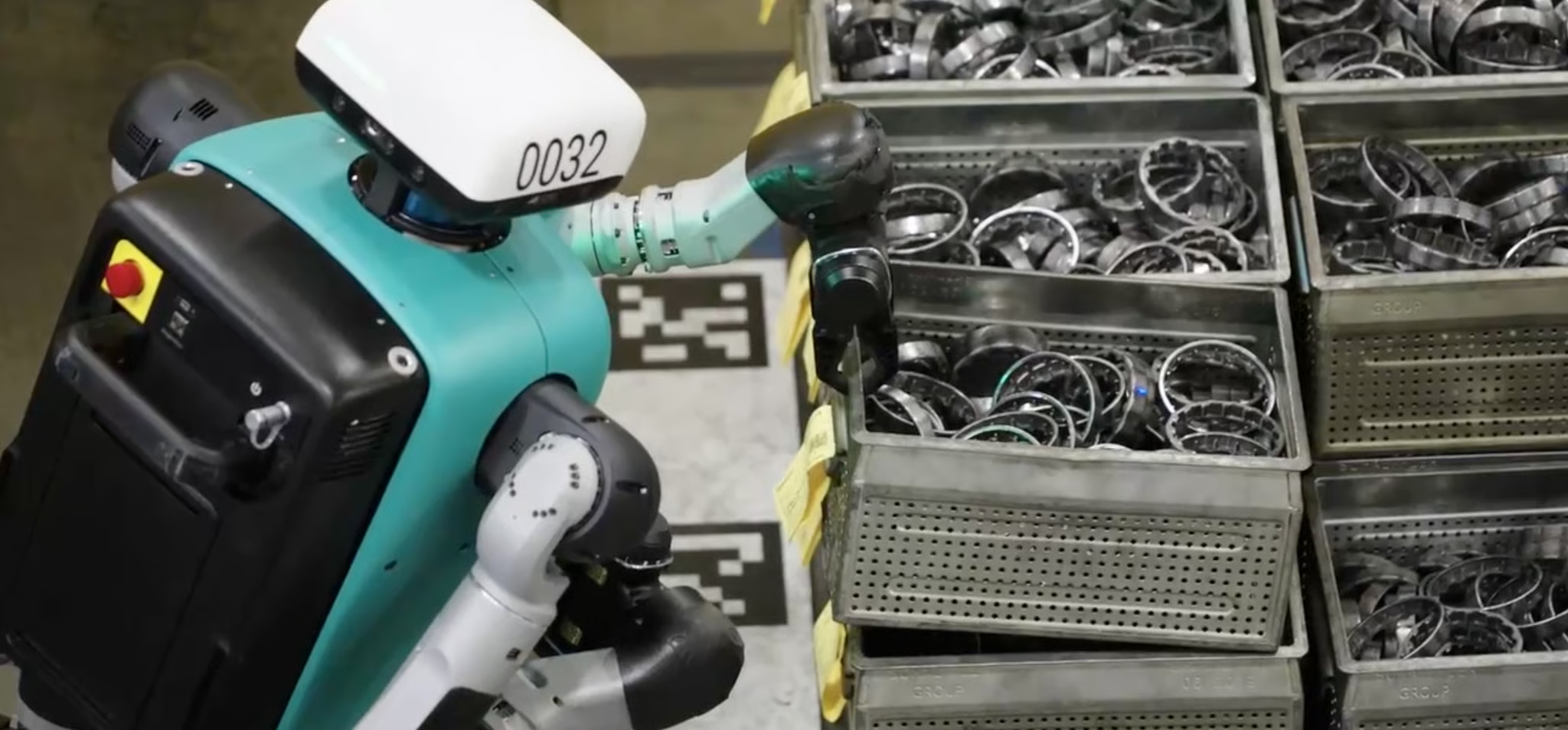
Digit is designed for spaces where people already work, so factories and warehouses do not need a full redesign to use it. Agility Robotics positions the humanoid for hard-to-automate workflows, with interchangeable end effectors and AI-powered learning to adapt to changing tasks.
The practical specs help its case. Digit can carry up to 35 pounds, has a four-hour battery life, and is designed for continuous shifts in demanding assembly-line and warehouse environments.
4. Boston Dynamics Atlas
Best for: Handling parts and goods in complex factory spaces
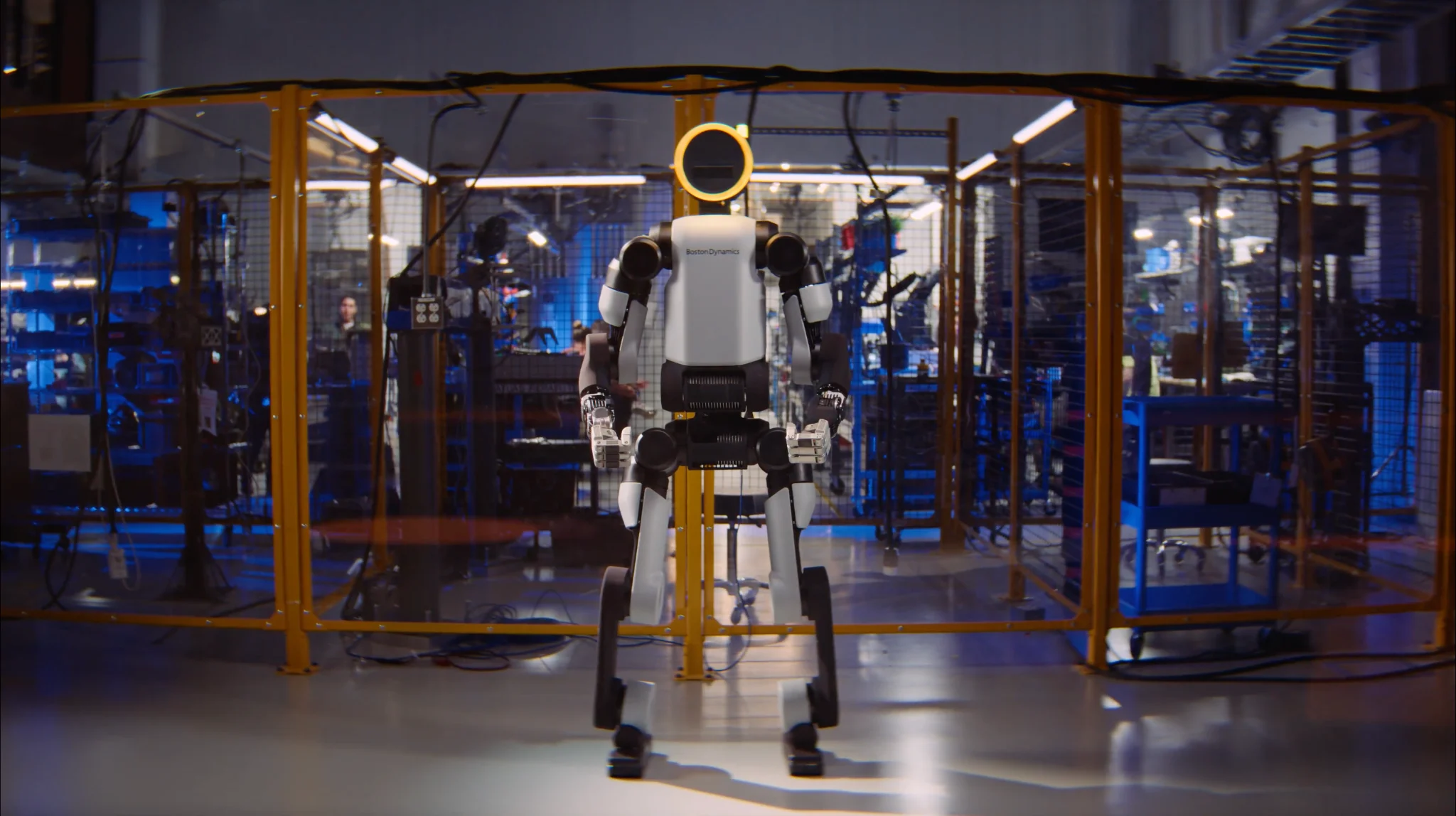
Atlas is built for factory jobs where a robot may need to move around people, reach into workstations, and handle objects without a fixed automation setup. Boston Dynamics positions it for part sequencing, machine tending, order fulfillment, and material handling.
Atlas can carry up to 30 kg on a sustained basis, use tactile fingers and a 360-degree camera view to handle objects, and connect with MES and WMS systems through Orbit software. It can also swap its own battery, which could help it stay on task during longer shifts.
3. Apptronik Apollo
Best for: Delivering parts and kits to production lines
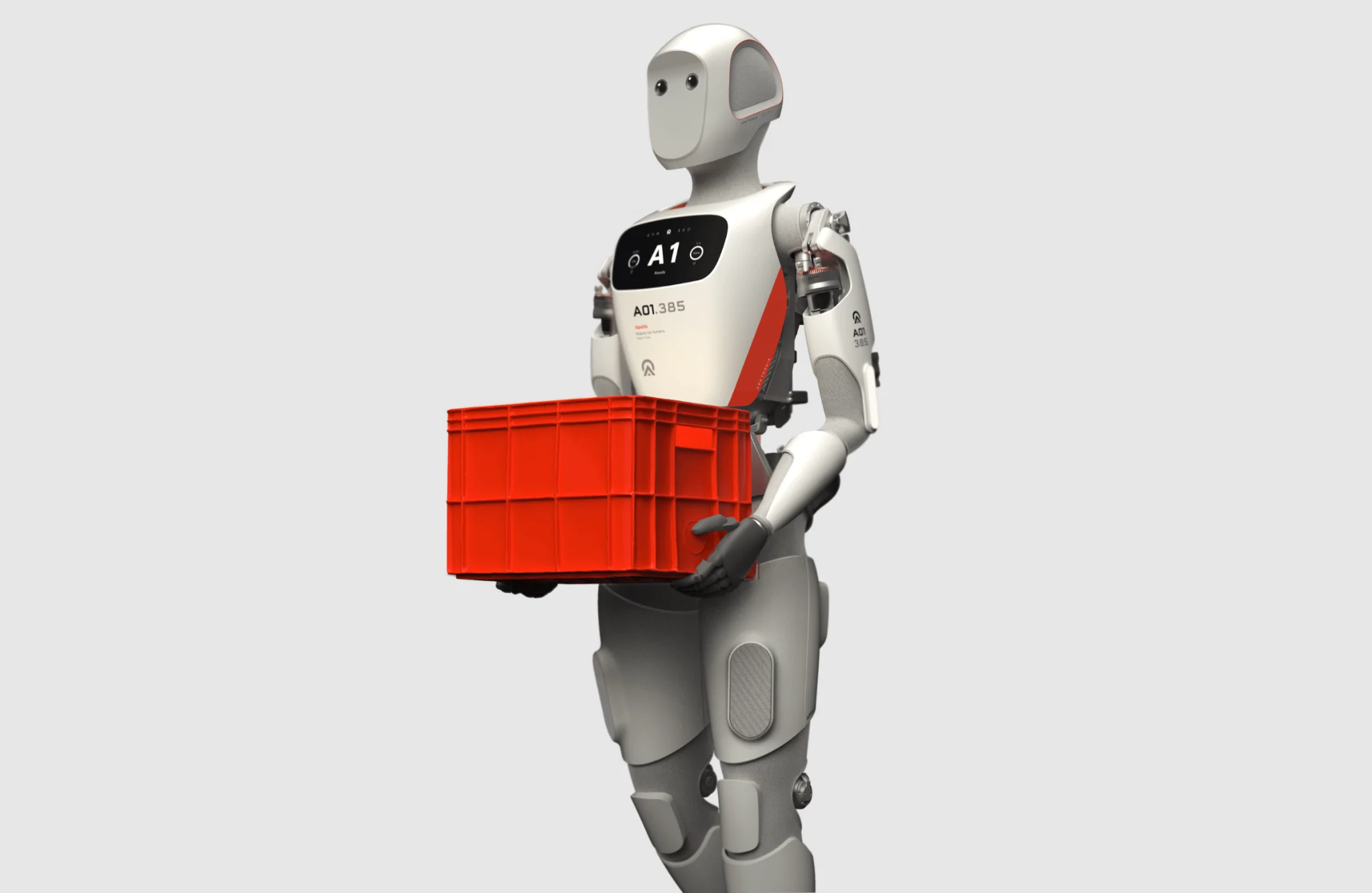
Apollo is Apptronik’s general-purpose humanoid robot, built on the company’s experience developing more than 10 earlier robots, including NASA’s Valkyrie. It was designed with friendly interaction, safety, high payloads, and mass manufacturing in mind.
For factory work, Apollo’s near-term fit is warehouses and manufacturing plants. Mercedes-Benz is piloting Apollo for tasks such as bringing parts to production lines, delivering assembly kits, moving totes, and inspecting components.
2. Figure AI Figure 02 and Figure 03
Best for: Loading parts in automotive manufacturing
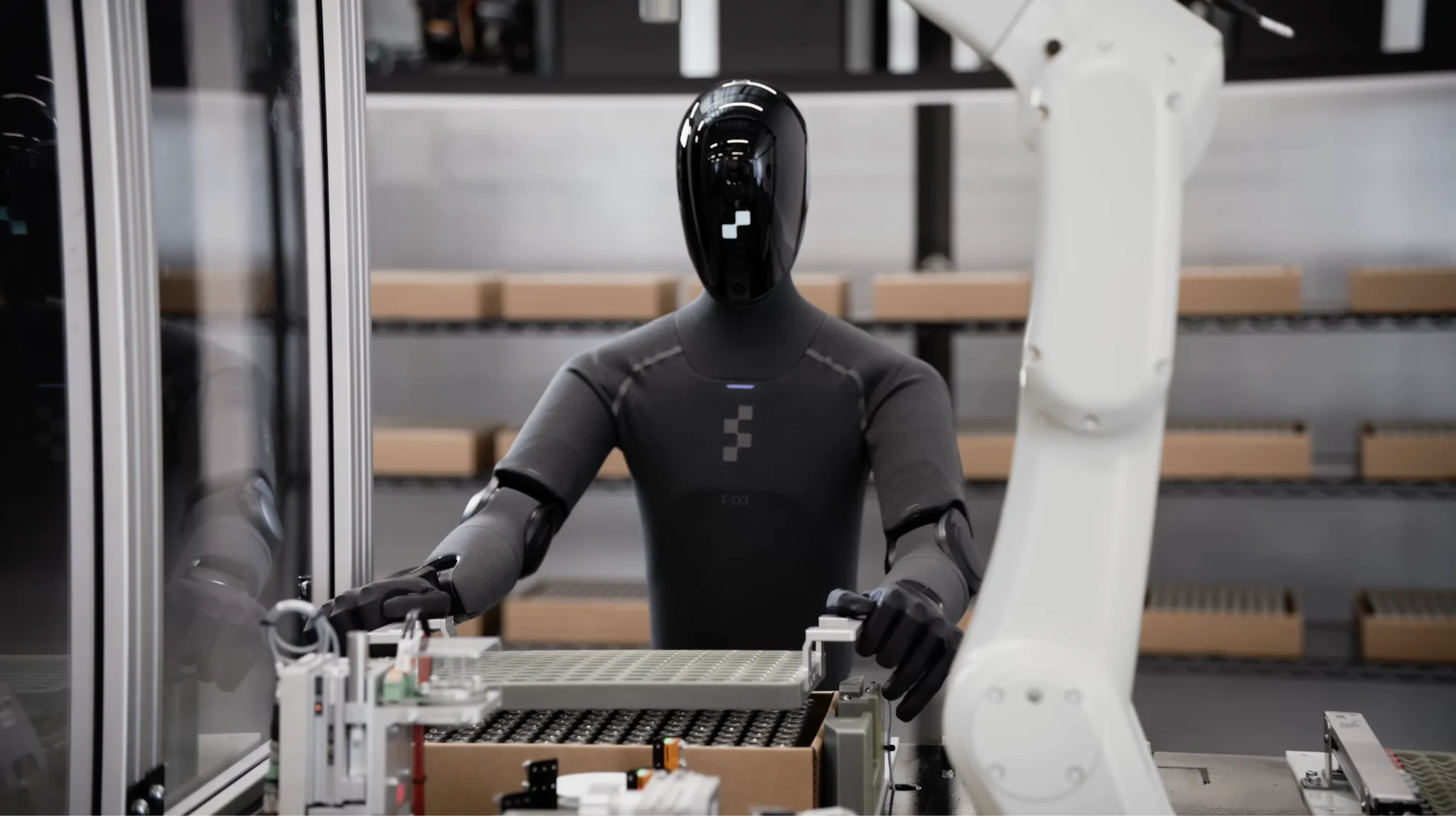
Figure AI ranks near the top because it has shared detailed factory results. The company said Figure 02 completed an 11-month deployment at BMW Group Plant Spartanburg, where the robots ran 10-hour weekday shifts, loaded more than 90,000 parts, and logged more than 1,250 hours of runtime.
Figure is now moving from Figure 02 to Figure 03, while also testing broader uses beyond the factory. The company says its Helix AI helps the robot learn and adapt in more complex environments, including the home, but its strongest factory proof point remains the BMW deployment.
1. Tesla Optimus
Best for: Taking on repetitive tasks inside Tesla-style factories
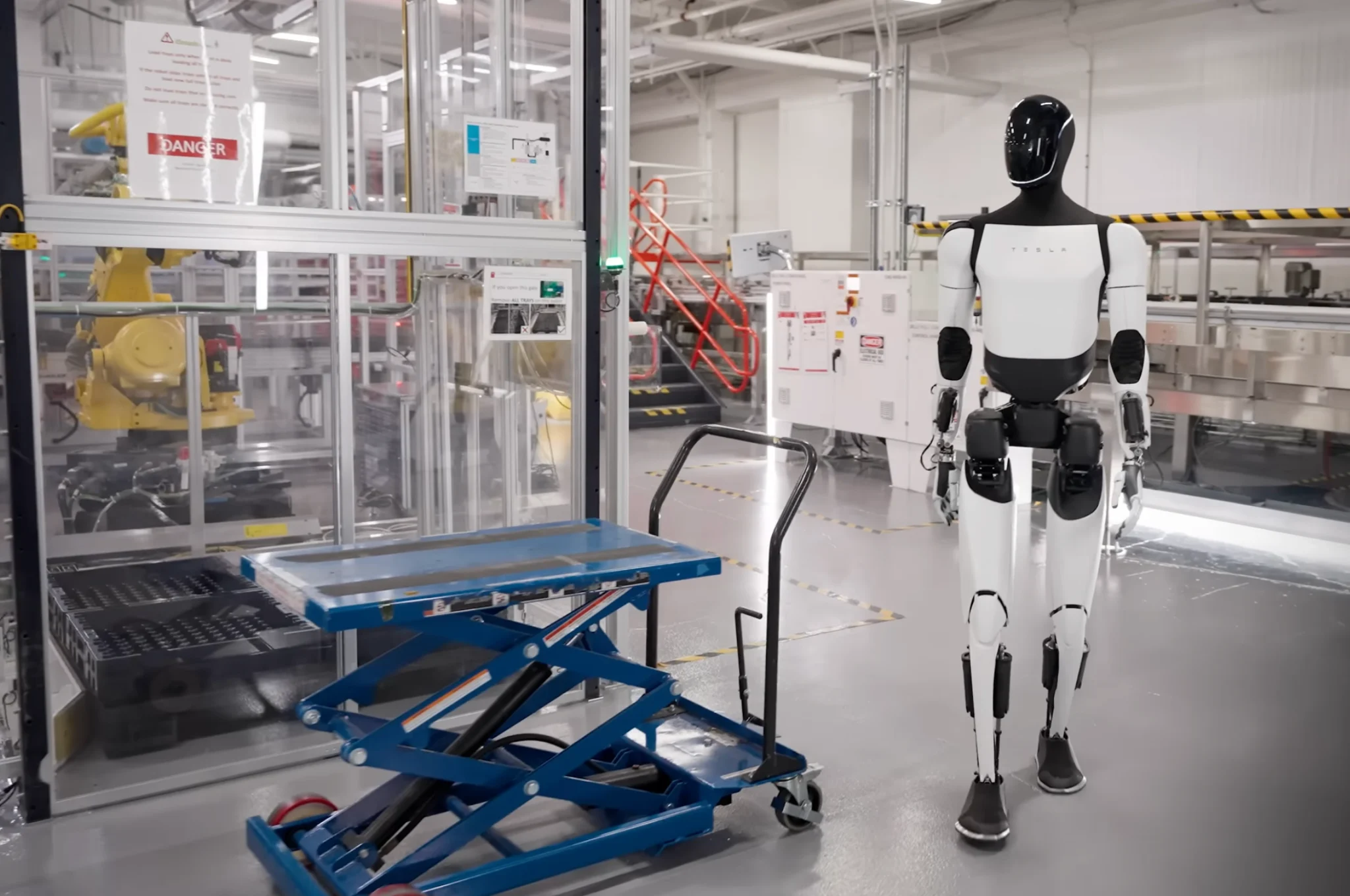
Tesla Optimus takes the top spot because it is being built around a clear, factory-friendly goal. Tesla describes it as a general-purpose, bipedal, autonomous humanoid robot capable of performing unsafe, repetitive, or boring tasks.
Tesla says reaching that goal requires software for balance, navigation, perception, and interaction with the physical world, along with engineering work in deep learning, computer vision, motion planning, controls, and mechanical systems. Optimus is still proving itself, but Tesla’s factories give it a built-in testing ground if the robot matures
What comes next for factory humanoids
The next stage of humanoid robotics will be less about viral videos and more about ordinary shifts. Factory robots will need to prove they can work safely around people, repeat the same tasks for hours, connect with existing systems, and make financial sense for companies.
For now, the strongest contenders are the robots moving toward practical jobs such as loading parts, handling goods, inspecting equipment, and supporting production lines. If humanoids can do that work reliably, the factory floor may be where they finally become more than a demo.
For more on how humanoid robots are moving into real-world systems, learn more about how China is assigning digital identity codes to thousands of humanoid robots.