






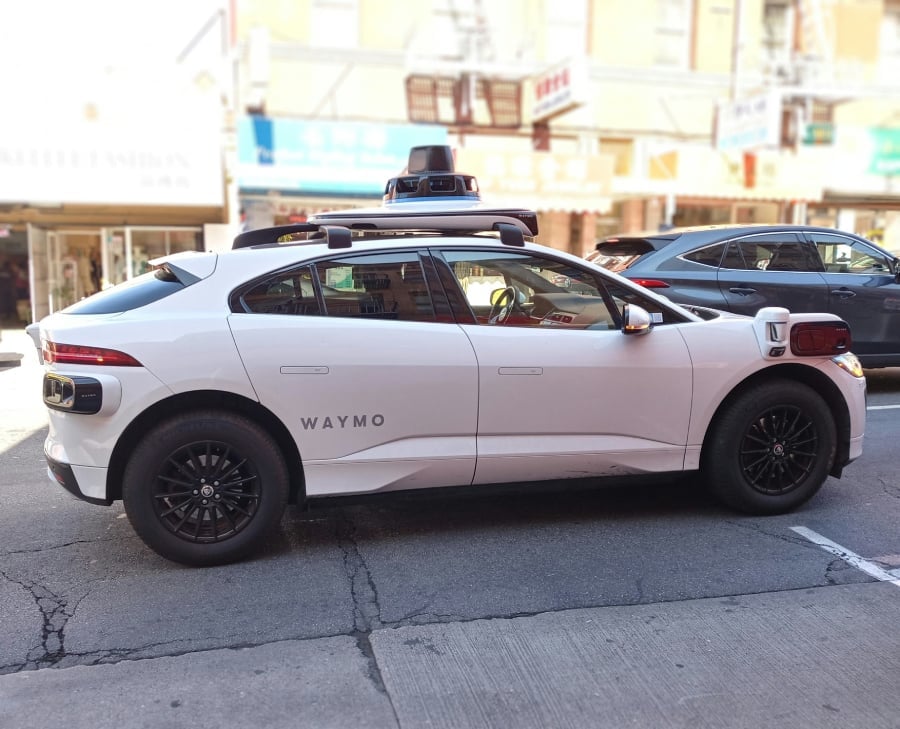


Waymo is hitting the gas on its driverless ambitions… and it’s not just sticking to Silicon Valley.
Alphabet’s self-driving car unit is expanding its robotaxi fleet to Detroit, San Diego, and Las Vegas, further developing one of the most advanced autonomous driving programs in the world. Mapping and testing will begin soon in all three cities, with public rides coming after safety checks and regulatory approval.
A symbolic stop for Detroit
Detroit — the birthplace of the American auto industry — is a symbolic win for Waymo. The company already has an engineering base in the metro area and has spent years testing in Michigan’s icy winters.
From Waymo’s blog, the company highlighted its local ties, saying it’s “proud of our roots in Metro Detroit, including in Novi, where we’ve had an engineering team for many years.” Winter readiness is also part of the pitch, as Waymo noted it has tested in Michigan’s Upper Peninsula and looks forward to its 6th-generation Waymo Driver navigating snow again this winter.
In California’s southern coast city, Waymo says the service is coming next year and preparations are already underway. That includes working with first responders and local officials.
“By welcoming innovative and promising technologies like Waymo’s autonomous vehicle service, we’re exploring how to make transportation more accessible, more sustainable, and more connected for everyone in our community,” said San Diego’s mayor, Todd Gloria, in Waymo’s announcement.
Waymo is returning to familiar ground in Las Vegas. The company said it has tested in the city for years and plans to officially launch its driverless service next summer. The expansion will include the iconic Las Vegas Strip, with plans to extend service to the airport later.
Nevada, which Waymo noted is the “sixth most dangerous state to drive,” sees Las Vegas account for nearly half of the state’s collisions. Waymo said its vehicles are “five times safer than human drivers,” a claim it hopes will help make local roads safer for both residents and tourists.
Building a national autonomous vehicle network
Waymo’s system uses vehicles, including the Jaguar I-Pace and Zeekr RT, equipped with a self-driving software stack, lidar, radar, and cameras. The company follows a phased rollout: human-driven mapping, driverless testing, then limited access before full public service.
Waymo now operates in cities including Phoenix, Los Angeles, the Bay Area, Austin, and Atlanta, with expansion planned for London, Washington, DC, Miami, and more.
Although competition in the autonomous driving space is heating up. Zoox and Tesla are testing their services elsewhere, but Waymo argues that its technology is leading and scaling rapidly.
As the robotaxis become a more common sight, they are also drawing more attention from safety officials. The National Highway Traffic Safety Administration has launched an investigation into Waymo following an incident in which one of its vehicles improperly passed a stopped school bus. This indicates that as this technology expands, so does the scrutiny that accompanies it.
For more on AI-driven transportation, read our coverage of Nvidia’s potential investment in UK self-driving startup Wayve.