






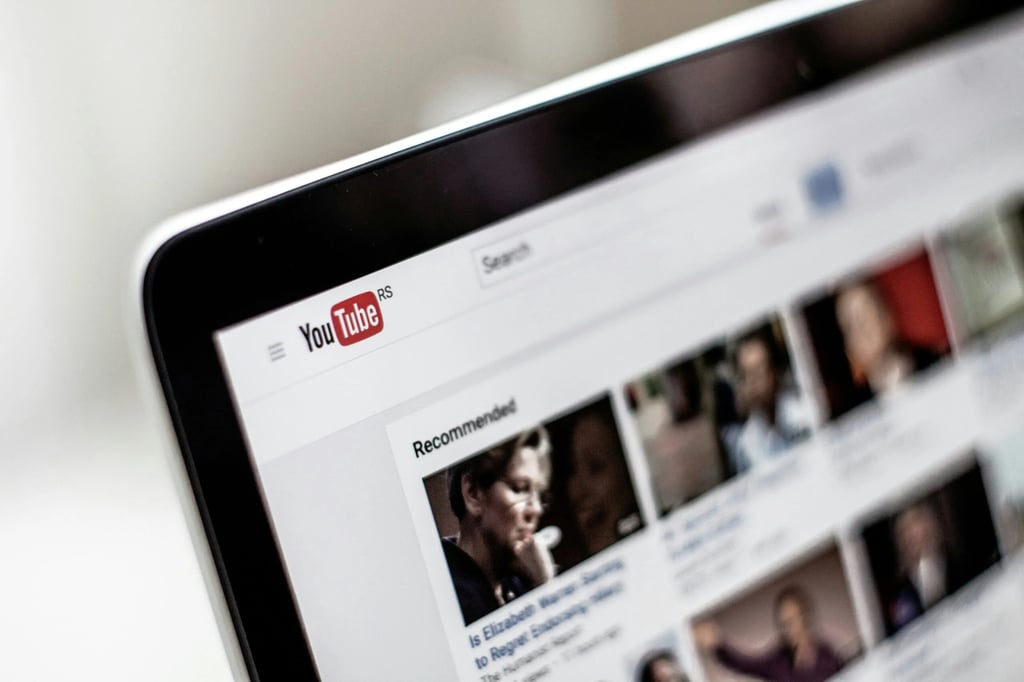


YouTube has begun rolling out an artificial intelligence-powered age verification system with the stated goal of creating a more secure environment for younger audiences. The rollout has quickly drawn backlash from users citing concerns over data privacy, the system’s reliability, and what they see as expanding online monitoring.
The new “age-estimation model” uses machine learning to guess whether a logged-in user is under 18. It analyzes viewing behavior, search activity, and account history to assess whether the user may be under 18. If the model assesses the viewer is under 18, YouTube will automatically enable teen safety settings, regardless of the birthday listed on the account.
The safeguards involve removing personalized advertising, enabling built-in well-being notifications, restricting some content suggestions, and preventing access to videos marked for adults. Users flagged as under 18 can request a review by submitting proof of age, which may include official identification, payment card verification, or a facial image.
James Beser, YouTube’s senior director of product management for youth products, wrote in a company blog post, “This technology will allow us to infer a user’s age and then use that signal, regardless of the birthday in the account, to deliver our age-appropriate product experiences and protections.”
Supporters see safety, critics see surveillance
According to YouTube, similar systems have been introduced overseas with positive feedback, and the US launch will start with limited testing before being offered more broadly. The company insists it will not keep ID or credit card information for advertising purposes.
But many YouTubers are uneasy. A Change.org petition challenging the new YouTube AI age-detection system has already gathered support with more than 77,000 verified signatures. Critics warn that adults could be incorrectly classified as underage, compelling them to share sensitive identification details in order to retain unrestricted access.
The petition’s creator, a gaming content creator known as Gerfdas Gaming, told Ars Technica that the appeals process “raises major privacy concerns,” questioning where such data is stored and how secure it is.
Some detractors argue the approach amounts to large-scale monitoring. They also caution that adults with hobbies or interests in content typically associated with younger audiences — such as toy reviews or animated shows — could be mistakenly categorized as minors.
Concerns include protecting minors from harmful content and preserving their privacy
The new policy comes amid mounting political and parental pressure for tech platforms to protect minors from harmful content. Other platforms including Instagram, TikTok, and Discord have experimented with or implemented comparable AI-based age detection tools as governments in the US, the UK, and regions introduce tighter youth protection rules.
Digital rights advocates warn that such systems risk eroding online anonymity and could create data security risks. Beser maintains that YouTube’s goal is to “deliver safety protections while preserving teen privacy.” But with petitions gaining momentum and social media filled with criticism, the company may struggle to persuade critics that the promised safety measures justify the potential trade-offs in privacy and user autonomy.
What happens when the ‘Godfather of AI’ warns — again — that we’re heading in the wrong direction? Find out here.