






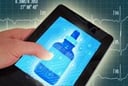

Two-thirds of hospitals and health systems have deployed remote patient monitoring (RPM) solutions, according to a survey by Spyglass Consulting Group. The systems are used to manage value-based risk associated with supporting large patient populations with complex chronic conditions, such as congestive heart failure, COPD, diabetes and hypertension.
The survey revealed 84 percent of providers who had deployed RPM were using mobile devices, primarily tablets, to support chronically ill patients recently discharged from the hospital.
When used within the context of a disease management or care coordination program, RPM can help provider organizations improve care quality and outcomes, control health care costs and utilization and increase patient satisfaction.
“Mobile devices such as tablets and smartphones are widely adopted by U.S. adults including the elderly,” Gregg Malkary, managing director of the Spyglass Consulting Group, told eWEEK. “It makes sense that RPM solutions would leverage mobile technologies, which are less expensive, easier to use and more portable.”
Malkary noted Apple and other vendors are developing integrated sensors within their smartphones, and also have developed compelling middleware to collect, aggregate and transmit biosensor information to a provider for review and analysis.
“Leveraging Apple could be a huge incentive to encourage patients to join, especially if the applications are easy to use and fun,” he said.
The survey also found that most providers surveyed plan to evaluate patient BYOD options plus wearable technologies, including smartwatches and activity trackers that can be used to support chronically ill patients.
In addition, 79 percent of providers surveyed said they are embracing analytics and decision support tools to turn raw patient data into actionable knowledge and insights to help manage and monitor value-based risk associated with population health.
“Providers will need to integrate RPM with existing care processes, systems and tools,” Malkary said. “It will become a standard of care for remotely monitoring and managing patients, but patients need appropriate incentives to take a more participatory role in managing their care.”
He said payers are now willing to collaborate with providers as many providers are exploring at-risk care models and would be willing to help subsidize equipment and monitoring costs.
Malkary also warned there are some security and privacy concerns surrounding RPM technology. This includes concern that the person using a device may not actually be the patient as well as concerns that appropriate password protection and authentication be required to access and transmit data.
The content for the Spyglass report, titled “Trends in Remote Patient Monitoring 2015” was derived from more than 100 in-depth interviews with healthcare organizations involved in telehealth and telemedicine. These include multi-hospital delivery systems, standalone community hospitals, ambulatory environments, home health agencies, and government organizations.