







- Whats Driving Solid-State Storage Demand?
- Values That SSDs Bring
- SSDs Must Match Up With the Right Applications
- Markets, Applications That Benefit From Solid-State Storage
- Best Deployment Options for Server-Based Solid-State Storage
- Highest Performance, Lowest Latency Storage With RAID
- Boosting Performance With Minimal Change and Limited Budget
- Large Protected Dataset/Small Active Data Set
- Large Protected Dataset/Medium Active Dataset
- Solid-State Storage Buying Decisions
Whats Driving Solid-State Storage Demand?
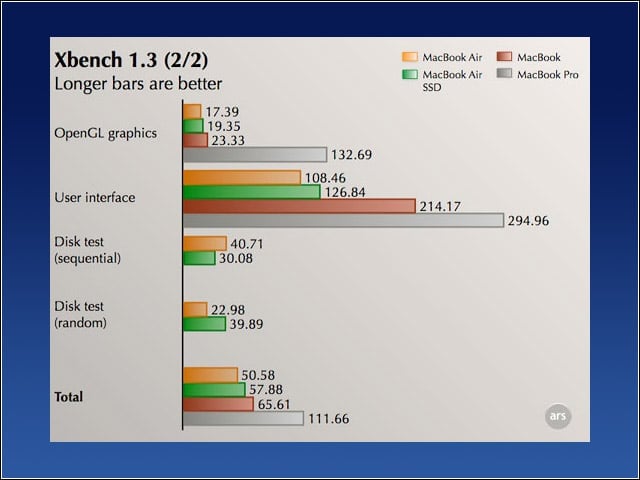
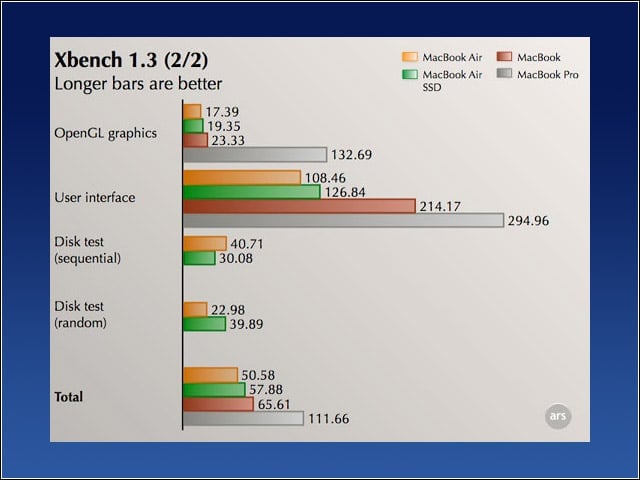
Enterprise hard disk drives are often bottlenecks for business applications. Enterprises need consistent performance and reliability from the storage products they buy and quality of service from their storage vendors. There is always a need for higher speed in high-volume storage applications.
Values That SSDs Bring
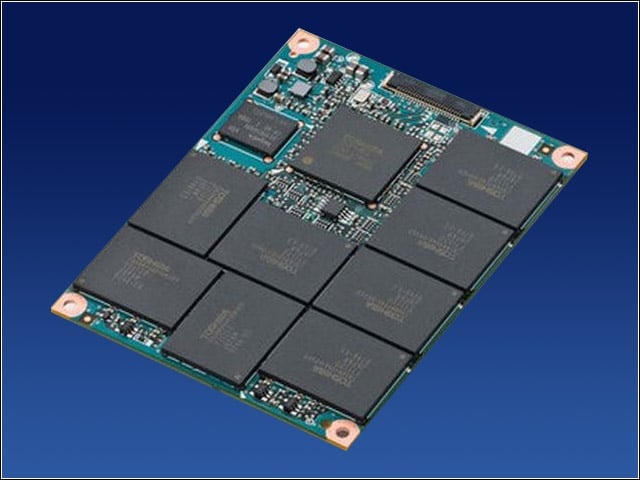
SSDs accelerate application performance, reduce storage latency and increase storage throughput. They also reduce storage power consumption and data center cooling requirements along with the overall environmental footprint and support costs. Finally, they eliminate most of the mechanical elements that make HDDs more susceptible to failures over time.
SSDs Must Match Up With the Right Applications
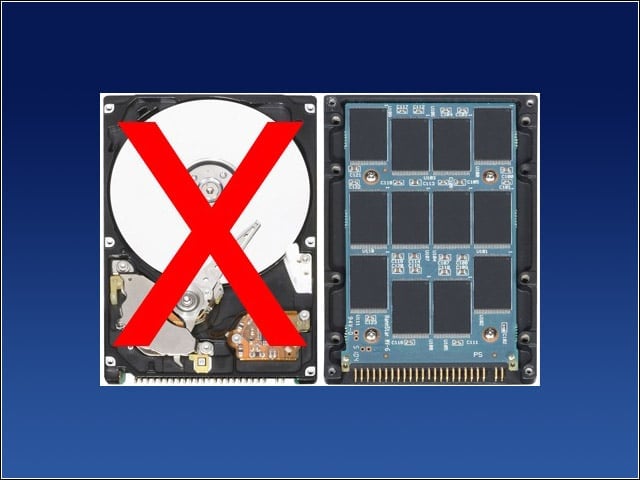
HDDs can satisfy the storage performance more cost-effectively in certain storage subsystems. Applications that are still ideal for HDDs include: heavy sequential write environments; applications where data is accessed infrequently; applications for which high performance is not critical; long-term storage and large data archives/data sets; and secondary or tertiary storage.
Markets, Applications That Benefit From Solid-State Storage
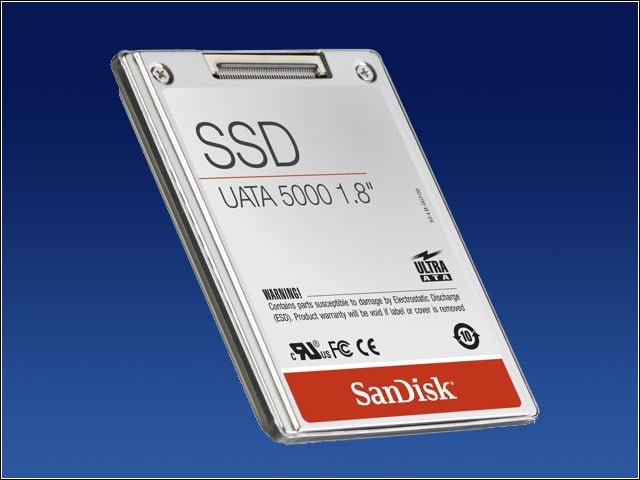
The most appropriate examples include servers handling the most mission-critical and latency-sensitive applications environments, applications requiring high random Input/Output Operations, and active data that’s accessed frequently and repetitively.
Best Deployment Options for Server-Based Solid-State Storage
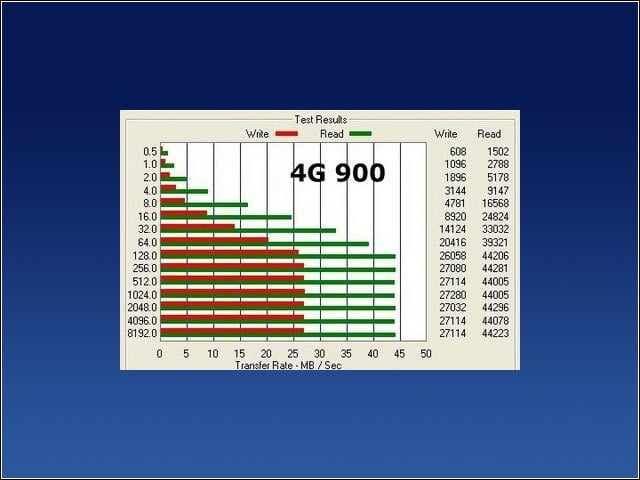
Examples: SSDs with RAID HBA; caching and tiering with SSDs for HDDs; SSD-optimized RAID controller; and SSD storage on PCIe Adapter.
Highest Performance, Lowest Latency Storage With RAID
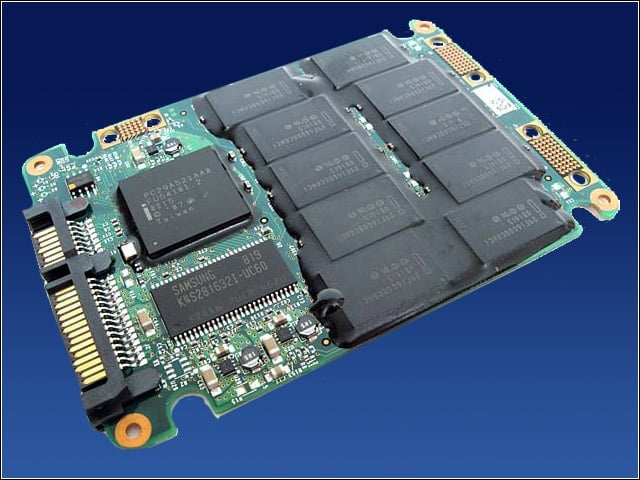
Examples: Financial applications including high-performance trading, OLTP databases, SAP, Oracle financial applications, data warehousing, reporting and analytics, Web 2.0 applications, and Website content access.
Boosting Performance With Minimal Change and Limited Budget
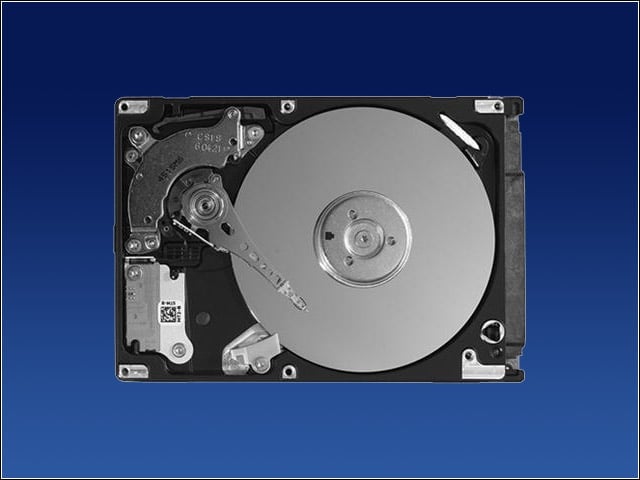
Examples: Video production and editing, video-on demand, big data processing applications, data forensics and analysis, Web 2.0 access and high-traffic Websites, and social media.
Large Protected Dataset/Small Active Data Set
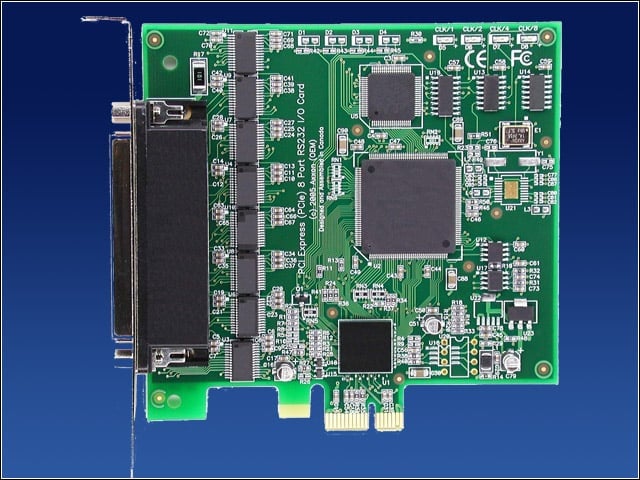
Examples: High-volume databases, data warehousing, online transaction processing and Web retail sales portals.
Large Protected Dataset/Medium Active Dataset
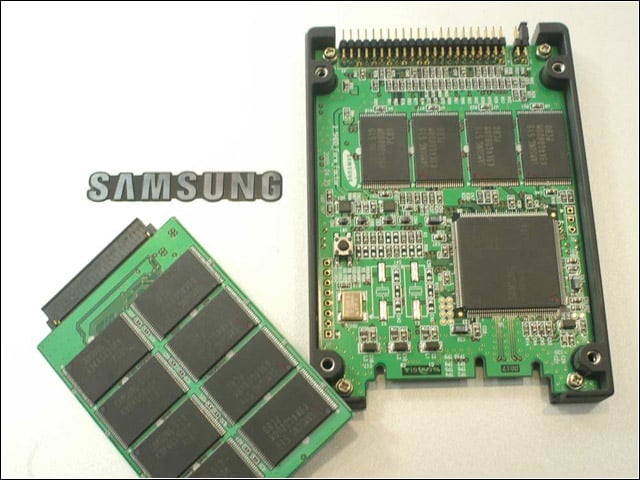
Examples: Medical and health care applications including health records, charts and images. Another important application includes imaging, such as 3D modeling, banking records along with image analysis applications such as oil and gas exploration and scientific analysis.
Solid-State Storage Buying Decisions
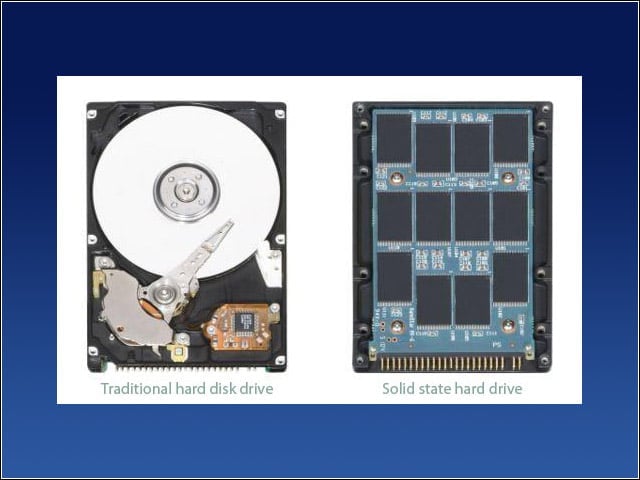
Before deciding to buy SSD systems, assess the complete needs of your environment. Select solutions tailored to your unique needs. Narrow down your vendor options to either best of breed or complete portfolio, depending on the diversity of your needs. Weigh stability and broad market support of Tier 1 supplier versus the upside of going with new offerings from emerging vendors in this nascent market segment.