




BERLIN—The OpenStack Foundation is no longer exclusively focused on its namesake cloud platform as the open-source effort is now expanding to enable the broader realm of open infrastructure.
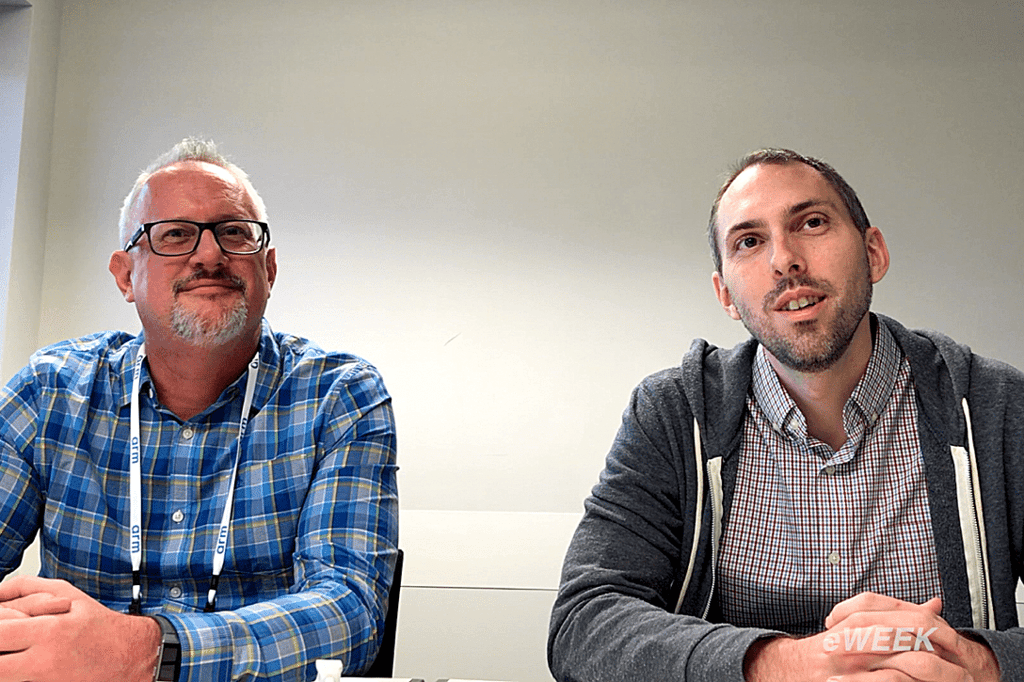
In a video interview at the OpenStack Summit here, Mark Collier, chief operating officer, and Jonathan Bryce, executive director of the OpenStack Foundation, detailed the group’s new approach. It’s an approach that now includes four pilot projects outside of the core OpenStack cloud platform—the Airship code deployment, Kata containers, StarlingX edge compute and Zuul continuous integration projects.
“We’re taking a lot of the tools, processes and things that the OpenStack community has proven out at huge scale in one of the top three most active open-source projects in the world, and sharing that,” Collier said.
The core OpenStack platform was created in 2011 as a joint effort between Rackspace and NASA. The original platform comprised two projects—Nova compute and Swift storage—and has expanded over the last seven years to include additional efforts. Among the main set of OpenStack projects are the Keystone authentication effort and the Ironic bare metal service.
While the OpenStack Foundation is now spreading out into ancillary areas of open infrastructure, it is also opening up its own stack, in a move to disaggregate the stack somewhat and allow some projects to stand on their own. One such example cited by Bryce is the Ironic project, which is now being used to enable bare metal clouds without the need to have a larger stack.
“Open source in general is made up of a bunch of components that you can use in a lot of different ways,” Bryce said.
However, he noted that the standard deployment within OpenStack today remains a stack that includes Nova compute, Keystone authentication, Glance Images, Horizon Dashboard, Neutron networking and Cinder storage.
“What we have seen is that people are pulling out individual services and disaggregating them,” Bryce said. “Developers are supporting that, and at the Foundation we want to support that as well.”
Watch the full video interview with Collier and Bryce above.
Sean Michael Kerner is a senior editor at eWEEK and InternetNews.com. Follow him on Twitter @TechJournalist.