




How Mobile-Device Sharing Helps Budget-Conscious Companies
by Darryl K. Taft
Education
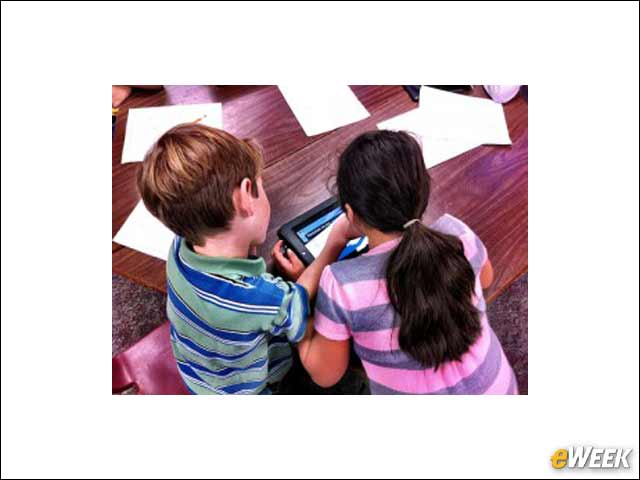
A shared-device model works well in the education industry. For example, a school with 600 students may only need to buy 200 to 300 tablets. In fact, a recent study of more than 2,000 students conducted by education company Pearson found that 48 percent of students surveyed had used a tablet owned by their school in their classroom.
Manufacturing
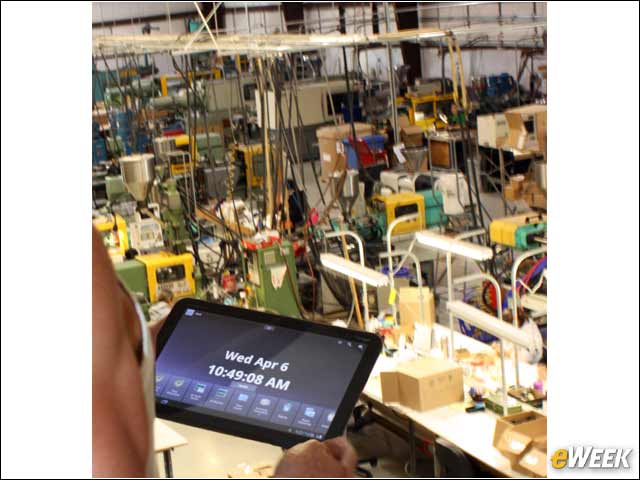
A shared-device model in the manufacturing industry can provide greater efficiency. A factory that has 300 workers, for example, only needs 100 devices. It’s common to see devices locked down adjacent to machinery and in centralized locations throughout the factory floor. This enables workers to share them across various shifts throughout the day. Tablets create a mobile manufacturing environment, allowing workers to have information at their fingertips, no matter where they are within the facility. The move toward application-based programs allows tablets to be quickly customized for different companies, or even different areas within a factory.
Health Care

Health care professionals have been using shared workstations and laptops for decades to boost clinician productivity, streamline workflows and lower costs. So, it should come as no surprise that this highly mobile workforce is using shared tablets, as well. In the health care environment, accountability is critical. Typically, employees are required to log in and log out of tablets in order to protect patient data at the point of care.
Hospitality
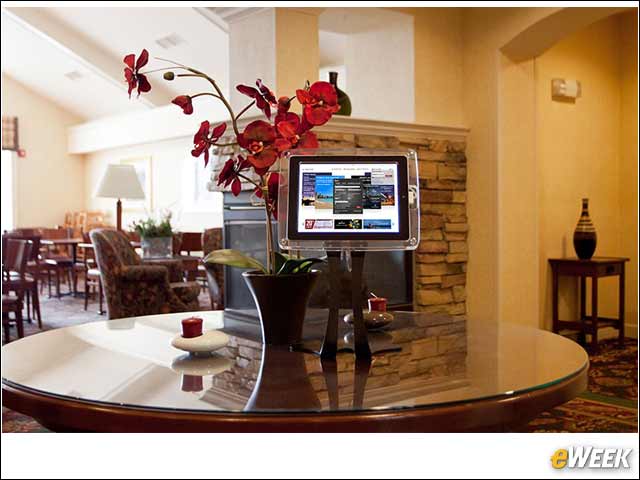
Some hotels have started placing iPads in guest rooms and public spaces, such as lounges or lobbies, to help guests avoid waiting in line for services during peak times. The iPads allow guests to read restaurant and nightclub recommendations from hotel staffers, share photos of their trip and print out boarding passes before running to the airport and other related activities.
Retail
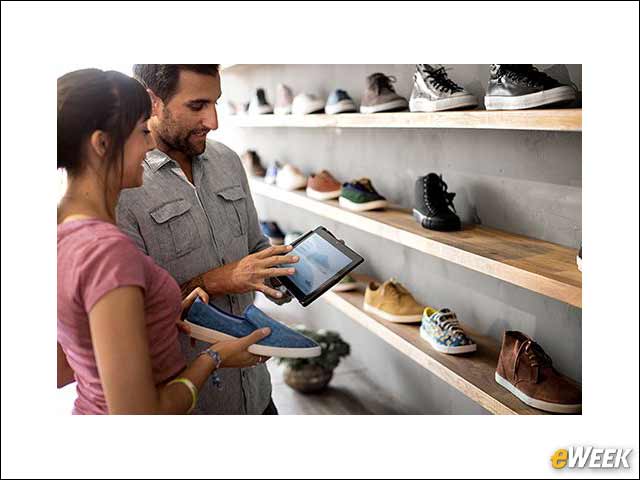
A study from Juniper Research showed mobile commerce transactions will surpass $3.2 trillion by 2017. In store, employees assist customers from the floor where there are no desktops available, only tablets and other mobile devices. In an age when customers have a wealth of information about any product at the tip of their fingers, it’s imperative that employees be able to access data from the floor and have everything linked together to assist the customer. Employees are able to share tablets on the store floor from shift-to-shift, empowering all workers with greater access to information to assist customers.
Pitfall: Durability Issues
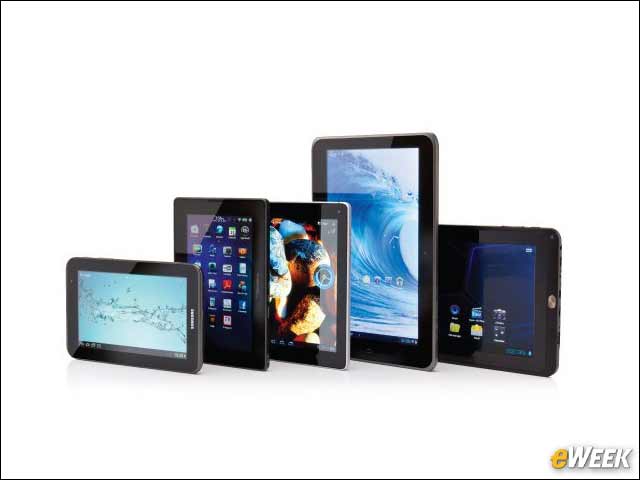
Tablets have not been proven to be able to withstand tough environments that sometimes occur in manufacturing facilities. Many are still susceptible to water exposure, heat exposure or hazardous conditions. And since shared devices are often used across shifts, they can be used around the clock, causing more wear and tear on the device.
Security Concerns
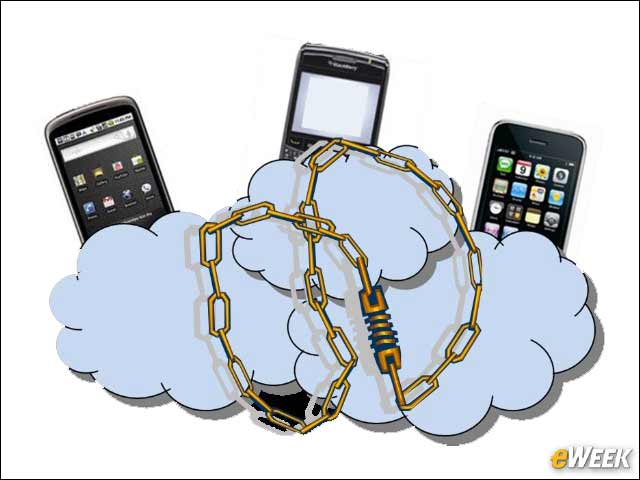
Tablets are easy for workers to carry off, so companies will ensure no information is actually stored on the tablet itself. When multiple users are sharing a tablet, securing the data on the device is more complicated. Different workers need to have different access in data, so confirming that the corporate data on the device is separated from the personal data is a key concern.
Security Solution
A strong security policy for monitoring use of the device is crucial. This includes passcodes, logging in and out, and loading data. Successful companies leveraging shared-device models are adopting enterprise mobility-management (EMM) solutions in order to properly manage and scale their environments.