




Some of Hollywood’s biggest stars have joined forces in what could be the most consequential legal battle against AI companies.
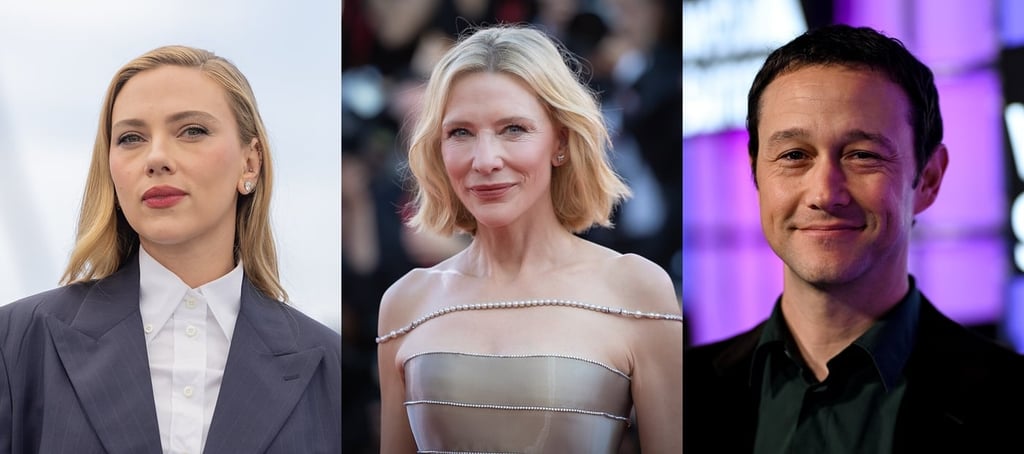
Scarlett Johansson, Cate Blanchett, and Joseph Gordon-Levitt are backing a major campaign targeting AI firms for what they call outright theft of celebrity voices and likenesses.
They have accused unnamed tech giants of “theft” and called on the companies to pursue “ethical” partnerships when accessing artistic content. The letter represents one of Hollywood’s most coordinated pushbacks yet against AI-driven exploitation.
This latest move comes after Johansson’s explosive confrontation with OpenAI back in May 2024, where she accused the company of creating a voice “eerily similar” to hers for ChatGPT after she refused to license it. OpenAI suspended the voice but denied wrongdoing, claiming it belonged to a different actress.
The celebrity rebellion against AI companies is exploding. Federal Trade Commission data from mid-2024 shows impersonation scams cost Americans $2.95 billion in 2024 alone. Even more alarming: Deloitte research revealed that AI now drives over 42% of all fraud, with voice cloning technology requiring just three seconds of audio to perfectly replicate someone’s voice.
The deepfake nightmare
The AI voice theft problem has reached new heights that most people don’t even realize. Examples include a Hong Kong finance worker losing $25.6 million after a deepfake video call, and three Canadian men losing over $273,000 to AI-generated celebrity endorsement scams.
The technology has become disturbingly accessible and profitable. Dark web research from last summer found scamming software selling for as little as $20, with AI scams going live in under two minutes. Industry data shows generative AI scams quadrupled between May 2024 and April 2025, with more than 38,000 new scam pages appearing daily in the first half of 2024.
OpenAI’s Sora platform launched just months ago as what critics call “an app created solely so people can make, post, and remix deepfakes.” The first viral video showed OpenAI CEO Sam Altman shoplifting from Target — a fake that spread across social media before anyone could verify its authenticity.
Justice for millions
The implications go far beyond celebrity privacy rights. Legal experts warn that AI-generated evidence could frame innocent people, while the “deepfake defense” allows real criminals to claim authentic evidence is fake. Federal courts have been struggling with AI evidence rules for two years, with most court systems still lacking clear guidelines for video authentication.
The “liar’s dividend” phenomenon is already emerging — where bad actors exploit the mere possibility that any video could be fake. Rioters could claim real evidence against them is AI-generated. Meanwhile, facial recognition errors could lead to wrongful arrests.
The celebrity uprising
Hollywood royalty’s legal threat against OpenAI isn’t just about egos — it’s becoming the blueprint for protecting everyone’s digital identity. SAG-AFTRA is backing the No Fakes Act, federal legislation that would make voice and likeness an intellectual property right nationwide.
The precedent exists: Bette Midler successfully sued Ford in a case that reached the Supreme Court after the company hired an impersonator for a commercial. Tom Waits won a similar case against Frito-Lay in 1988. Legal experts believe Johansson has “a pretty strong case” given OpenAI’s repeated attempts to hire her and CEO Sam Altman’s tweet referencing her movie “Her.”
But the fight is expanding beyond individual cases. A class action lawsuit filed in May 2024 against AI startup LOVO represents the first major legal challenge over AI companies training systems on celebrity voices without consent. Tennessee has already passed criminal penalties for AI voice mimicking, while the FTC’s new Impersonation Rule carries fines up to $53,088 per violation.
Our digital future
OpenAI has promised a “Media Manager” tool allowing creators to opt out of AI training, but critics point to the company’s “ask forgiveness, not permission” approach. Within a day of Sora’s launch, watermark removal tools were being advertised online, while some users began adding fake Sora watermarks to real videos.
The battle lines are drawn: celebrities and legal experts demanding federal protection for digital identity rights, versus AI companies claiming fair use of publicly available content.
SAG-AFTRA’s Jeffrey Bennett says there “must be a federal solution” as deepfakes start “impacting everybody.” With Hollywood executives reconsidering partnerships with OpenAI and legal challenges mounting, the outcome of this celebrity uprising could determine whether your voice, face, and digital identity remain your own — or become free content for AI companies to exploit.
Matthew McConaughey’s voice is instantly recognizable. Say three words, and most people can already hear him. That’s exactly why the actor is drawing a firm legal line in the sand.