




Spam Volume Down, Phishing Attacks Up in 2017, Kaspersky Lab Finds
To no one’s surprise, spam and phishing attacks continued to be security challenges in 2017, according to Kaspersky Lab. What is a surprise, however, is that the volume of spam as a percentage of total email actually declined in 2017, while phishing attacks increased in volume. The data comes from the 30-page Spam and Phishing in 2017 report from Kaspersky Lab, which was released on Feb. 15. According to Kaspersky Lab, the average amount of spam in email was 56.63 percent, down from 58.31 percent in 2016. On the other hand, the Kaspersky Lab Anti-Phishing system was triggered 59 percent more in 2017 than in 2016, as the number of phishing attacks increased. The top source of spam is the United States at 13.21 percent, followed by China at 11.25 percent. In this slide show, eWEEK looks at some of the highlights of the Kaspersky Lab Spam and Phishing in 2017 report.
Proportion of Spam in Email Traffic Declined
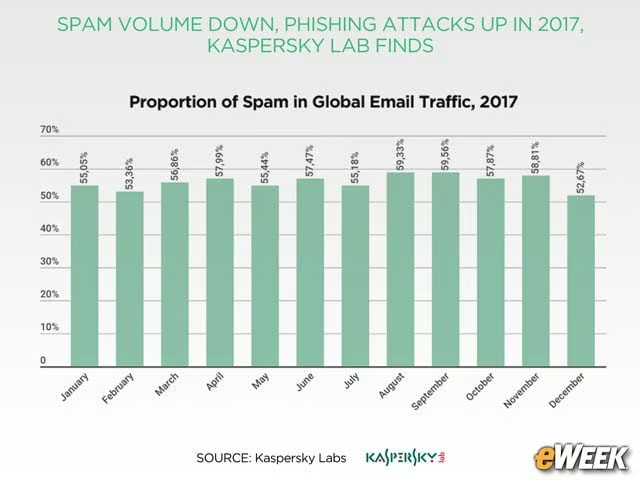
The proportion of spam in global email traffic varied over the course of 2017. According to Kaspersky Lab, the average amount of spam in email was 56.63 percent, down from 58.31 percent in 2016.
Phishing Attacks Increase
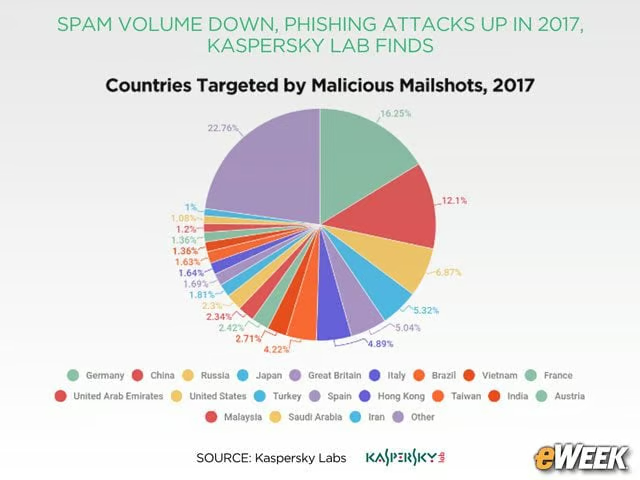
The Kaspersky Lab Anti-Phishing system was busier in 2017 than it was in 2016. The security firm reported that its Anti-Phishing system was triggered 246,231,645 times on Kaspersky Lab users, an increase of 91,273,748 phishing attacks from the year earlier.
U.S. Is the Top Source of Spam
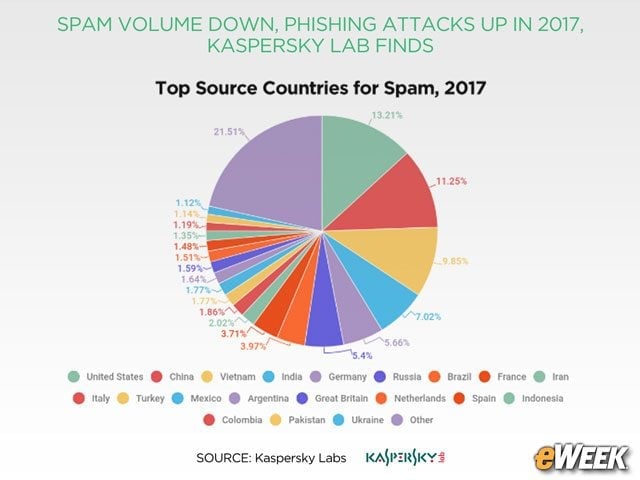
While spam can come from anywhere in the world, Kaspersky Lab identified the U.S. as the top source country for spam in 2017, at 13.21 percent.
Spam Email Size Varies
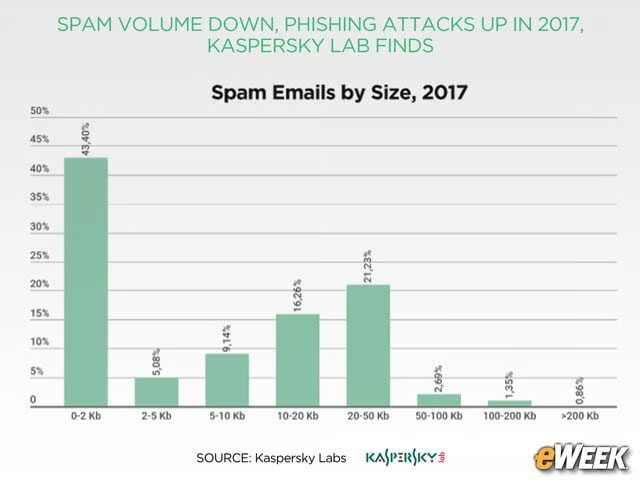
Spam emails can come in various sizes, though the most common (43.7 percent) in 2017 were small emails of less than 2KB of data.
Trojan Downloaders Are Common in Spam Malware
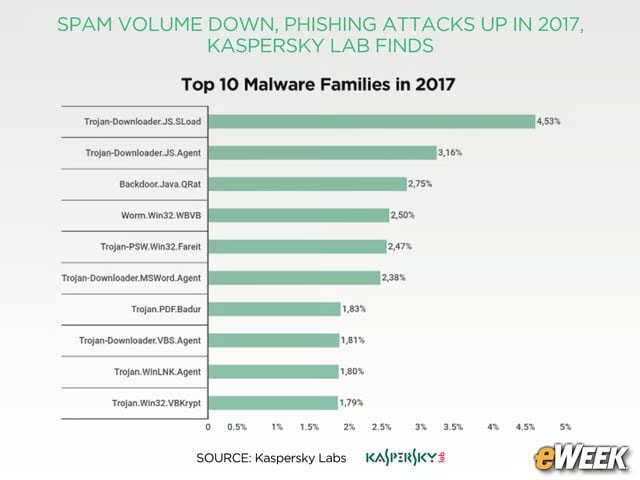
Spam can often include malware. In 2017, Kaspersky Lab found that the most common malware in spam email was the Trojan-Downloader.JS.Sload family.
Banks Are Often Targeted by Phishing
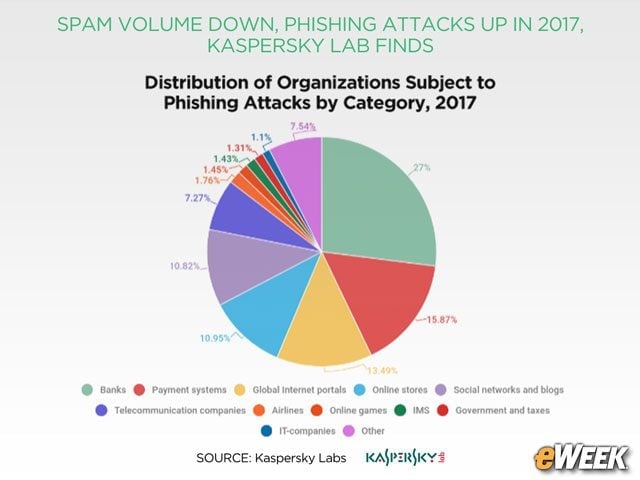
The most commonly phished type of organization in 2017 were banks at 27 percent, according to Kaspersky Lab.
Brazil Is a Top Phishing Target
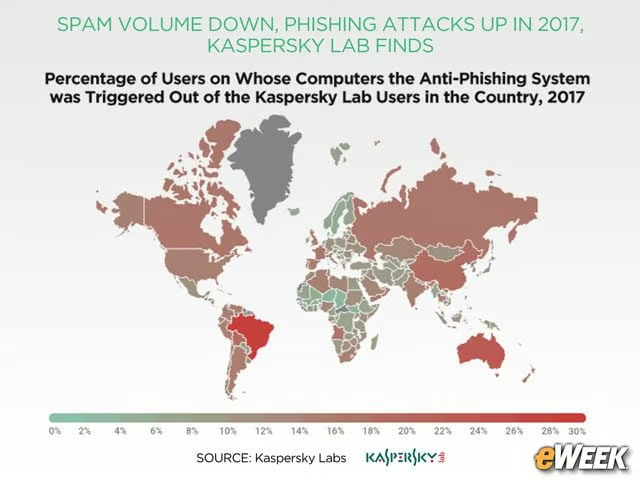
Brazil had the highest percentage of unique users who were attacked in phishing campaigns, at 29.02 percent out of all Kaspersky Lab users in the country.