








- 10 Bold Google X Projects Aiming for Tech Breakthroughs
- Google Watch Becomes Android Wear
- Is That Car Driving Itself?
- Google Gets Serious About Drones for Freight Deliveries
- Project Tango Helps Mobile Devices Know Where They Are
- Project Loon Flies Over the Emerging Markets
- Don’t Forget About Makani Power
- Flux Brings Sustainability to Big Data
- Google Brain Builds Intelligent Machines
- Google’s X Life Sciences Becomes Verily
- Learn About Computational Photography With Gcam
10 Bold Google X Projects Aiming for Tech Breakthroughs
The Google division formerly known as Google X but now simply known as X is trying to achieve the unachievable. Here’s a look at what’s going on in the X “moonshot factory.”
Google Watch Becomes Android Wear
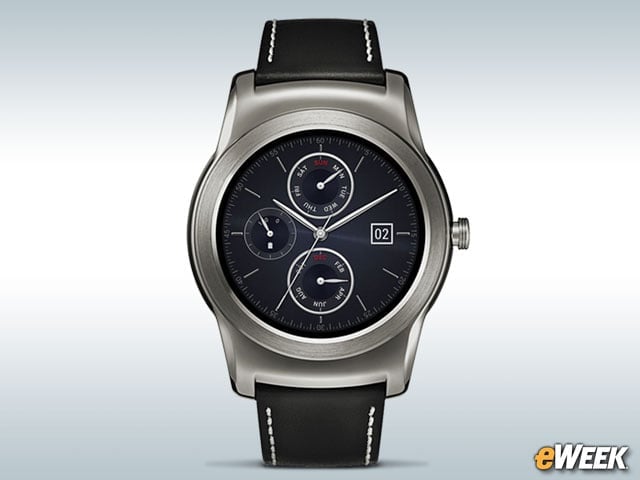
X is home to many “graduated” projects that have transitioned to other Alphabet divisions. Google Watch is one of them. Google Watch, which graduated in 2013 from X, was the original name for technologies used to create the wearable computing platform on which Google’s Android Wear operating system is now based. Google Watch is now part of the Android Wear division.
Is That Car Driving Itself?
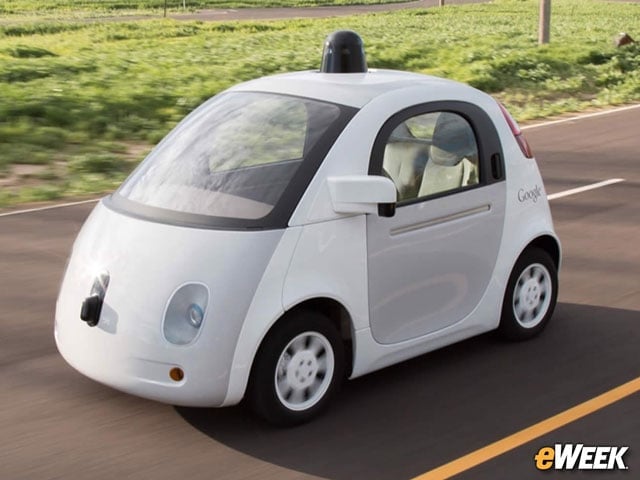
X shocked many people around the globe when the labs unveiled a car that can navigate roads and highways without a human at the controls. The technology is still in its infancy and likely won’t be ready for commercial use until at least 2020. However, that hasn’t stopped some automakers from showcasing their own prototype technology and promising driverless cars for the future. Self-driving cars are still under the command of Teller and his team.
Google Gets Serious About Drones for Freight Deliveries

X has unveiled a drone freight delivery program called Project Wing. Similar to what Amazon announced for its own delivery service, Project Wing uses unmanned aerial vehicles, commonly called drones, to deliver packages. The service still requires significant safety and feasibility testing, but it could play a crucial role in the e-commerce plans Alphabet has in mind for the coming years.
Project Tango Helps Mobile Devices Know Where They Are
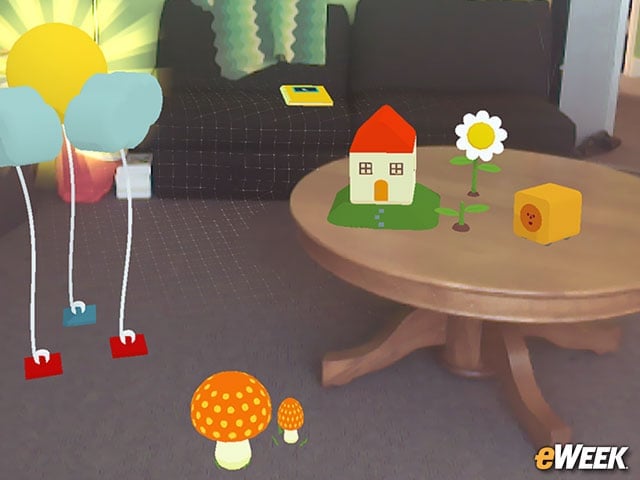
Project Tango was actually the first technology to graduate from X back in 2012. The service, which is still known as Project Tango, uses “spatial perception technologies” so mobile devices “know” where they are and how to move through space. The devices use advanced computer vision, image processing and other features to get their bearings. Project Tango was most recently shown off at this year’s Mobile World Congress and is now part of Google’s Advanced Technology and Projects Group.
Project Loon Flies Over the Emerging Markets

Project Loon puts balloons up high in the sky and beams Internet signals to the ground. Project Loon, which is still under development at X, delivers speeds that can match those offered by cellular carriers. Although the project is currently in testing, X believes it’s ideal for emerging markets where people have little or no Internet access. The technology could help bring the next billion people online.
Don’t Forget About Makani Power
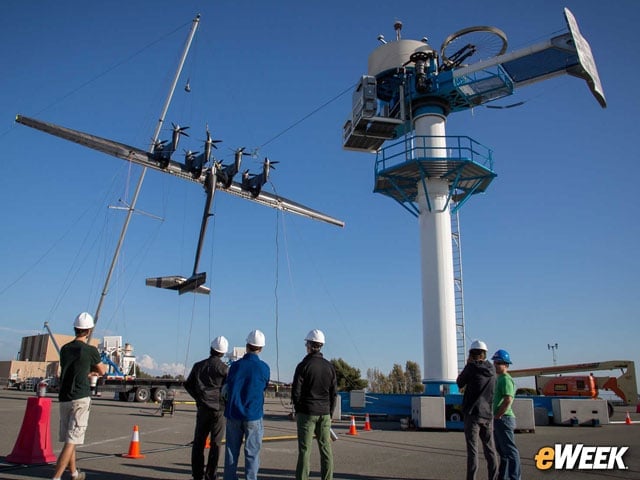
Makani Power is arguably one of the most interesting companies Alphabet has acquired in years. The company, which is part of Alphabet’s X program, builds wind turbines to generate renewable, sustainable power. It also uses kites to get the wind turbines airborne. The result is cleaner energy and a novel way of producing it.
Flux Brings Sustainability to Big Data
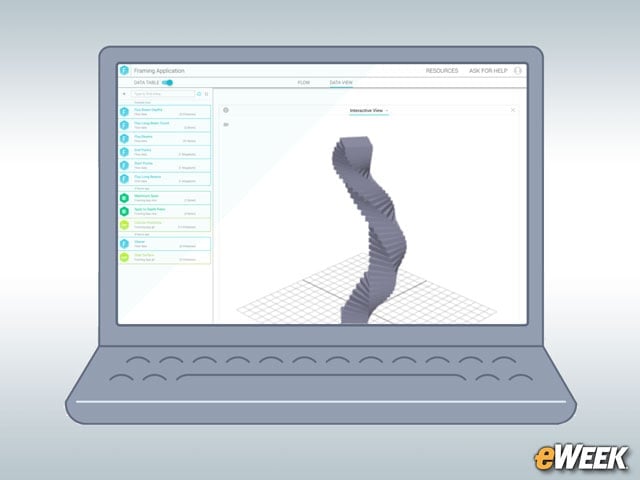
Flux was another early graduate of X and is now operating as an independent company. Flux’s focus is development of sustainable architecture. The project uses big data to improve how buildings, especially homes, are “designed, built, and maintained.” Think of Flux as a next-generation architectural company.
Google Brain Builds Intelligent Machines

Google Brain, another 2012 graduate, is now part of Google’s Research team. The technology was developed to create advances in artificial intelligence and machine learning capable of making computers “understand” images, audio and text in a way that more closely approximates how the human brain interprets those kinds of data.
Google’s X Life Sciences Becomes Verily
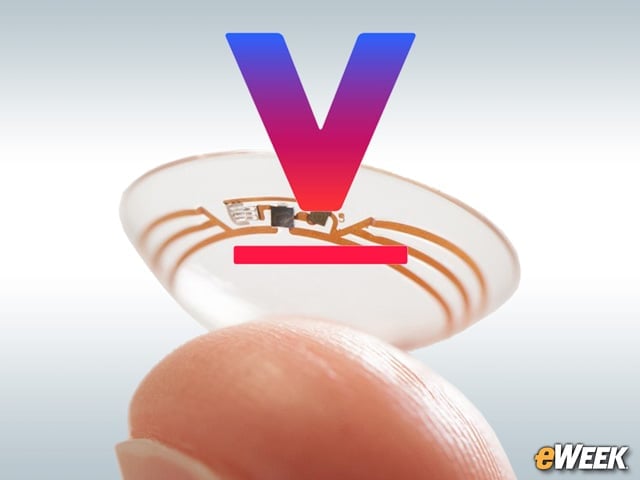
Google X Life Sciences was spun off from X in 2015 but is already a separate company inside Alphabet called Verily. While at X, the project was focused on building smart contact lenses for better diabetes detection and was even capable of using everything from platforms and products to algorithms to more effectively diagnose and treat diseases like multiple sclerosis. Ultimately, Verily hopes to play a role in helping people live longer.
Learn About Computational Photography With Gcam

Another graduate of X, Gcam’s sole focus is on “computational photography.” According to X, it created Gcam so it could improve mobile photography and employ digital evaluation of an image to enhance it. Computational photography is widely believed to be the technological successor to film and could eventually create enhanced depth-of-field, 3D images and photos that more accurately reflect real life. Gcam is now part of Google’s Research project.