







15,000 B.C.

Lascaux Cave drawings found in what is now France use imagery to capture and depict hunting knowledge.
3400 B.C.

Hieroglyphics emerge as a sophisticated way to document spoken language.
77 A.D.

The first encyclopedia was written by Roman author Pliny, setting the model for organizing and archiving knowledge of the outside world.
Late 1100s

Monks transcribing books (called “Scriptorium”) are tasked with replicating and copying the knowledge of the era.
1440
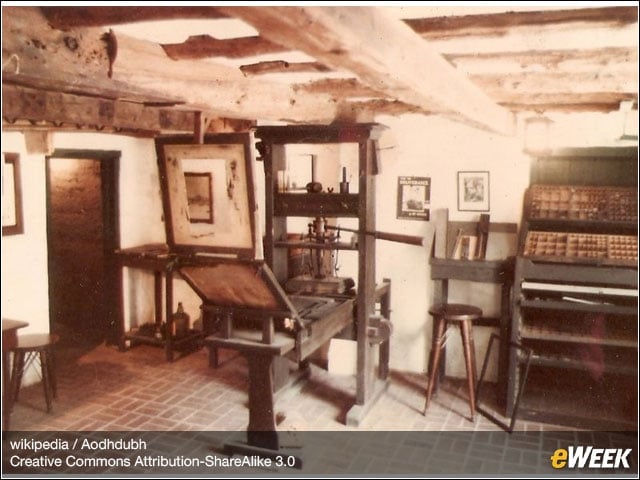
Johannes Gutenberg’s printing press in Germany allows for widespread production of printed material.
1600s

Newspapers begin to inform large groups of people of current events and information.
1835
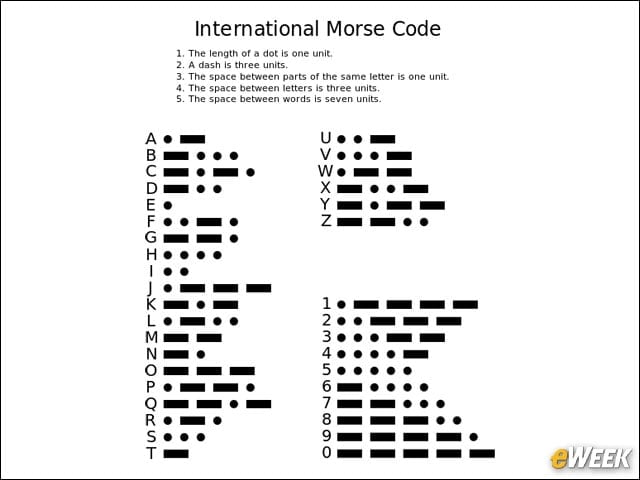
Morse Code allows for information to be transferred across long distances.
Mid-1800s

Public libraries emerge as a system for sharing knowledge among the general public.
1912
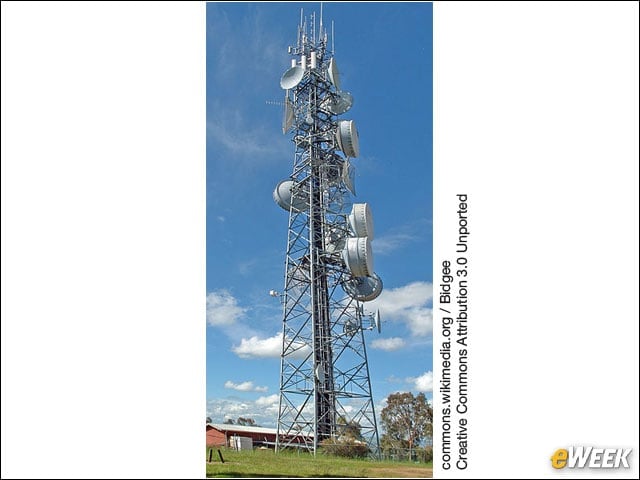
Radio broadcasting allows for mass audio communication in real time.
1946

Television broadcasting introduces live visual imagery to a widespread audience.
1960s

Databases are introduced as repositories for large amounts of structured data.
1965

The hyperlink is invented.
1971
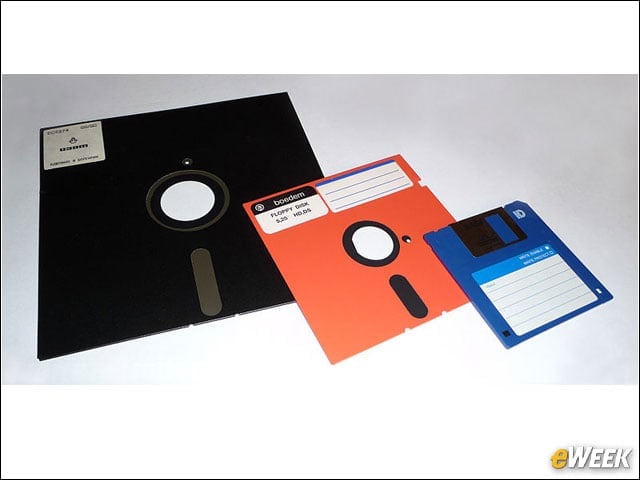
The floppy disk allows for portable transfer of digital knowledge.
1985

America Online is founded, emerging as the company that led the Internet to widespread public adoption.
1985

Tools emerge that enable database searches, planting the seeds of enterprise search.
1993

Siebel Systems introduces the first widespread CRM system to consolidate customer knowledge.
1995

AltaVista and Yahoo emerge as Web search engines, soon to be followed by Google in 1998. Copernic becomes the first desktop meta-search engine.
2001
Wikipedia launches, allowing a new generation of collective knowledge.
2003

Facebook is launched, which plays a major role in facilitating the widespread adoption of social sharing.
2005

YouTube launches and has a major impact on video sharing worldwide.
2006

Amazon launches Amazon Web Services to use more of its data center capacity. Cloud computing becomes adopted as a massively scalable and flexible way to use computing resources, and an important place to house data.
2006

Twitter is launched, and fuels the widespread use by individuals of sharing content.
2007
Dropbox launches, helping fuel demand for cloud-based storage.
2007
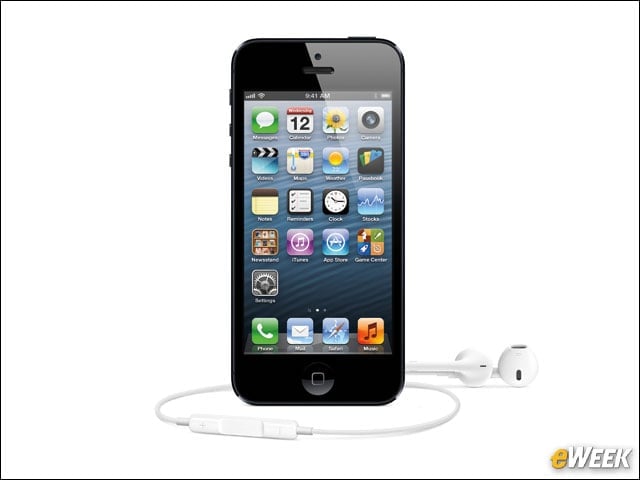
Apple introduces the iPhone, leading to the rapid adoption of people using mobile devices for accessing and creating information. The iPad follows in 2010, allowing users to access, modify and share information on larger mobile devices.
2011

“Big data” emerges as a term to describe the knowledge challenges presented by large amounts of structured and unstructured content. It also leads to a new description for technologies that analyze, organize and present that content in an intelligent manner.