







Apple’s iOS operating system continued to lead in the enterprise as the mobile platform of choice, representing 58 percent of all global devices enrolled, according to a recent report.
Android lost two percentage points globally and Windows Mobile remained the same at 7 percent of devices, according to cloud computing company Citrix’s Enterprise Mobility Cloud Report.
Android was the fastest growing platform for enrolled devices in Europe, the Middle East and Africa, with an 11 percent gain from the prior quarter to 36 percent of the region. Apple saw its iOS penetration drop from 56 percent to 43 percent share of enrolled devices in the same region, and Windows Mobile gained 2 percent share to 21 percent.
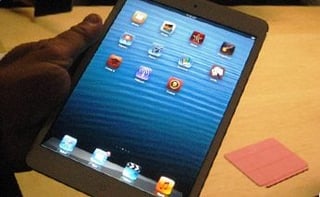
Within iOS, iPad tablets represented more than half (53 percent) of deployed iOS devices, with iPhones at 46 percent and iPods at 1 percent. This represents a 4 percent shift from iPads to iPhones from last quarter.
The report, which also details trends in how enterprises are dealing with apps and security policies, found iOS is also the preferred platform in many vertical industries, such as retail and restaurants. Android was the preferred platform for those with mobile field service organizations, such as in transportation and utilities.
The largest adopters of the iOS platform include the legal and insurance industries, while the largest adopters of Android were health care (a preponderance of which are home health-care organizations that have deployed cloud-based enterprise mobility), and transportation.
The report also found organizations have become more aggressive on application blacklisting, with 18 percent of customers deploying this policy, an increase of 11 percent from the prior quarter. The most commonly blacklisted apps were Angry Birds, Facebook, Dropbox and YouTube, while the most commonly whitelisted apps were Evernote, NitroDesk TouchDown, Google Chrome and Adobe Reader. Skype was the only app that made both the blacklist and whitelist.
“Typically, organizations blacklist apps they feel pose a threat to data or network security, such as apps that synchronize and share files outside of the corporate network,” the report explained. “Some also blacklist apps that are considered a drain on productivity, such as games and social media. This is especially true for devices used for workers doing task-based activities.”
Organizations also continued to deploy mobile policies associated with protecting data. The survey found the pass code remains the most commonly deployed policy at 63 percent, followed by GPS at 39 percent. Other policies deployed include virtual private network (VPN) at 24 percent, WiFi (31 percent), and two-factor authentication at 14 percent.