






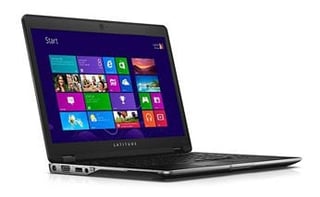

With their next-general Core “Haswell” chip, Intel officials are aiming for improved performance and energy efficiency.
They also expect significantly improved integrated graphics capabilities, bringing Intel closer to the level of Advanced Micro Devices and Nvidia, a key consideration when device users want to run such workloads as high-definition video and games.
In a slide deck released by Intel May 1, the company introduced its Iris Graphics and Iris Pro Graphics technology that officials said will offer up to twice the GPU performance of the current “Ivy Bridge” chips and faster QuickSync capabilities for rendering video and encoding and decoding MPEG video.
There also will be support for Microsoft’s DirectX 11.1 technologies for running HD games and for OpenCL 1.2 parallel programming tools. In addition, Haswell will support the OpenGL 4.0 application programming interface.
The 22-nanometer Haswell systems-on-a-chip (SoCs), which will launch at the Computex show in Taiwan in June, are expected to appear in a wide range of computing devices, from notebooks and desktops to tablets and Ultrabooks. Better integrated on-chip graphics reduce the need for separate, discrete graphics chips, which helps improve energy efficiency and battery life.
According to the Intel deck, the amount of graphics performance improvement will be determined by the chip it’s included on and the system itself. The Haswell family will offer a range of chips that consume varying amounts of power, with some drawing as little as 7 watts.
Haswell is part of Intel’s aggressive push into the mobile device market currently dominated by chips designed by ARM Holdings and built by partners such as Samsung, Qualcomm and Nvidia. Along with new low-power Atom SoCs, including the upcoming “Bay Trail” and “Merrifield,” Haswell will help fuel a wave of tablets and smartphones coming in the second half of the year that will be powered by Intel’s x86 chips.
The mobile initiative is part of a larger strategy by Intel officials to expand their business into a range of growth areas and reduce the company’s dependence on a global PC market that is slowing as consumers and business users spend more of their tech dollars on tablets and smartphones. The mobile device space is a key area for Intel, which according to its first-quarter financial numbers still gets about two-thirds of its revenue from its PC business.
Intel leadership has been criticized in the past for not reacting fast enough to the changing compute landscape. Now the responsibility for overseeing the company’s strategy going forward will fall to Brian Krzanich, who was named May 2 to replace outgoing CEO Paul Otellini starting May 16.
Krzanich has been with Intel for 32 years, most recently as its chief operating officer. His appointment by Intel’s board of directors has drawn mixed reviews from industry observers, some of whom believed that, given the current inflection point in Intel’s history, the company needed to buck traditional and find its sixth CEO outside the company.
Others applauded the decision, saying Krzanich’s operations background will benefit Intel, particularly as it looks to grow it foundry chip business.