






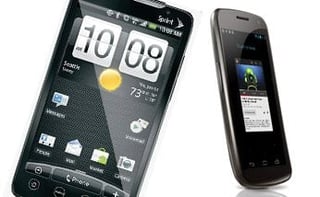

Mobile phone manufacturer Samsung continues to lead its rivals as the top original equipment manufacturer with 26.9 percent market share.
Google’s Android operating system took the market share lead, accounting for 53.7 percent of smartphone subscribers, according to the comScore MobiLens service, a survey of more than 30,000 U.S. mobile subscribers during a three-month period ending in November 2012.
According to the report, 123.3 million people in the United States owned smartphones (53 percent mobile market penetration) during the three months ending in November, up 6 percent since August. Samsung’s market share rose 1.2 percentage points during that period, while Apple ranked second with 18.5 percent market share (up 1.4 percentage points), followed by LG with 17.5 percent share, Motorola with 10.4 percent and HTC with 5.9 percent.
Apple’s iOS platform followed Android, securing 35 percent market share through its iPhone devices, up 0.7 percent, followed by BlackBerry maker Research in Motion (RIM) with 7.3 percent share, Microsoft (3 percent) and Symbian (0.5 percent). The bottom three operating system providers all saw market share fall by one percent or less.
Text messaging continues to be the most-used feature for U.S. mobile subscribers, with 75.9 percent texting on their mobile phones, up 0.3 percent. Texting was followed by use of downloaded applications (54.2 percent of subscribers, up 0.8 percent), Web browsers (52.1 percent) and accessing of social networking sites or blogs (39.2 percent). About a third (33.7 percent) of mobile subscribers use their phones to play games, while 28.7 percent said they listen to music on their phone.
While the report did not touch on the popularity of shopping online through their phones, a separate report from comScore found $42.3 billion was spent online during the entire November-December holiday shopping season, marking a 14-percent increase from 2011.
The top ten heaviest days for online spending in 2012 all occurred during the holiday shopping period. The season was once again led by Cyber Monday (Nov. 26) with a record $1.465 billion in spending, followed by Tuesday, Dec. 4 with $1.362 billion and Green Monday (Dec. 10) with $1.275 billion. The 2012 holiday season saw 12 days with more than $1 billion spending, comfortably surpassing last year’s total of 10 individual days.
“The 2012 online holiday season was once again a very strong season with growth rates in the mid-teens as we reached record-setting spending levels,” comScore chairman Gian Fulgoni said in a statement. “This year’s growth rate is essentially on a par with last year’s. But despite many positives for the online sector, this year’s season did not quite perform up to our initial expectation for growth rates in excess of 16 percent as we fell a billion dollars short of our expected total of $43.4 billion.”