






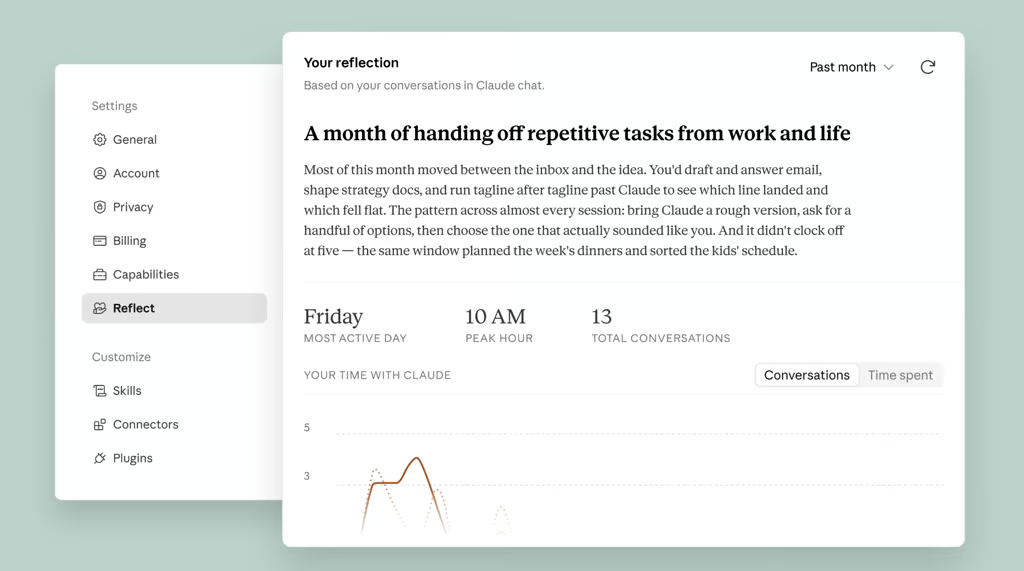


Claude users can now get their own version of Spotify Wrapped, except the dashboard tracks prompts, work habits, and late-night chatbot sessions instead of favorite songs.
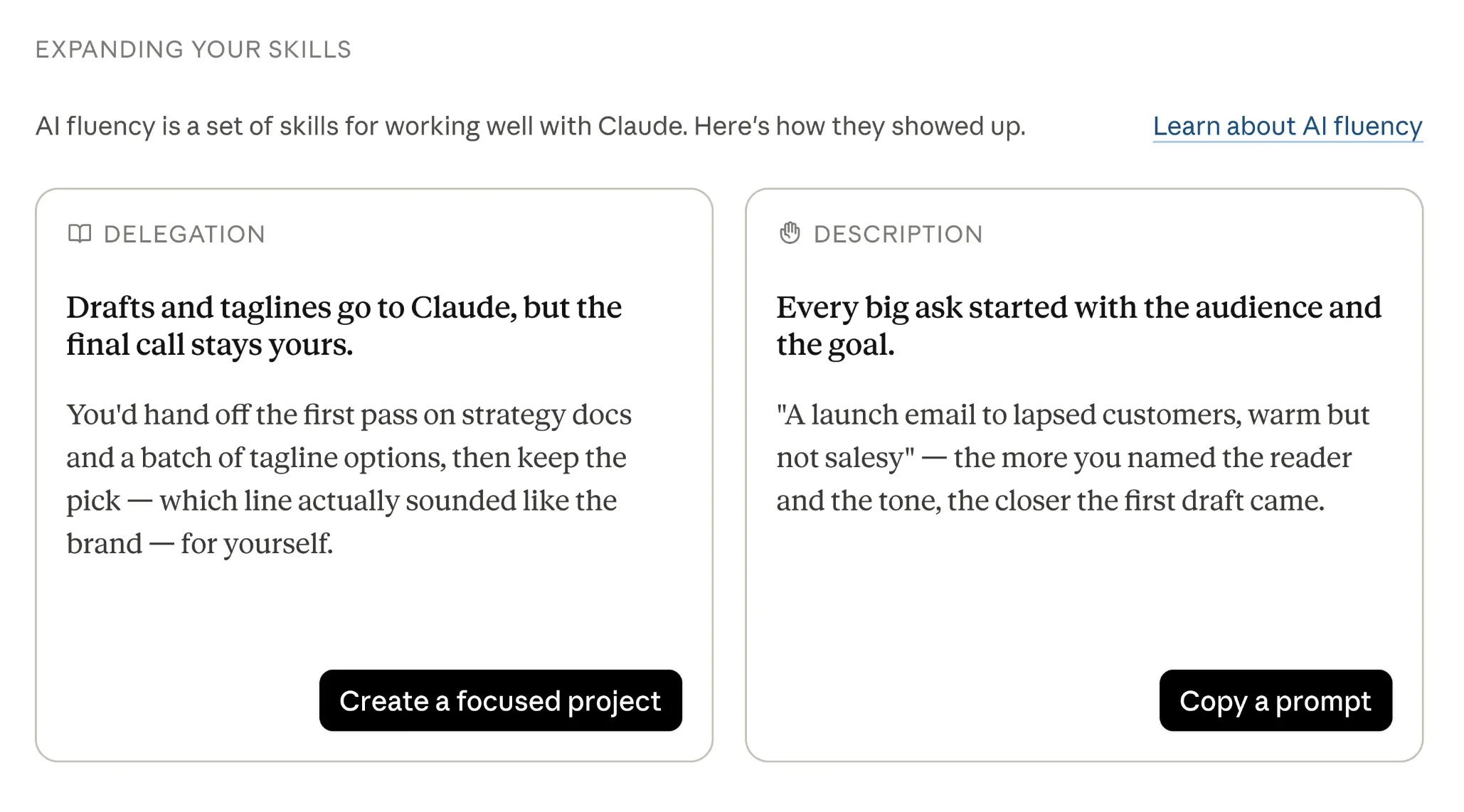
Anthropic launched Reflect, a beta dashboard that gives Free, Pro, and Max users a memory-enabled visual summary of how they have used Claude over the past one, three, six, or 12 months. The feature highlights common topics, peak usage times, recurring tasks, and total chats, while also offering workflow tips, quiet hours, and reminders to log off.
The dashboard also hints at where AI assistants are going next: beyond answering prompts and toward tracking the routines, habits, and handoffs that build up around them.
A Wrapped-style view of Claude activity
Anthropic introduced Reflect on July 9 as a beta feature for users who have Claude’s memory setting enabled. The dashboard is available through Settings in the Claude web app and desktop client.
The company said the feature was designed to help people understand whether their AI use aligns with their goals. “It lets you easily track and visualize how you use Claude, and decide whether that time aligns with your goals,” Anthropic wrote.
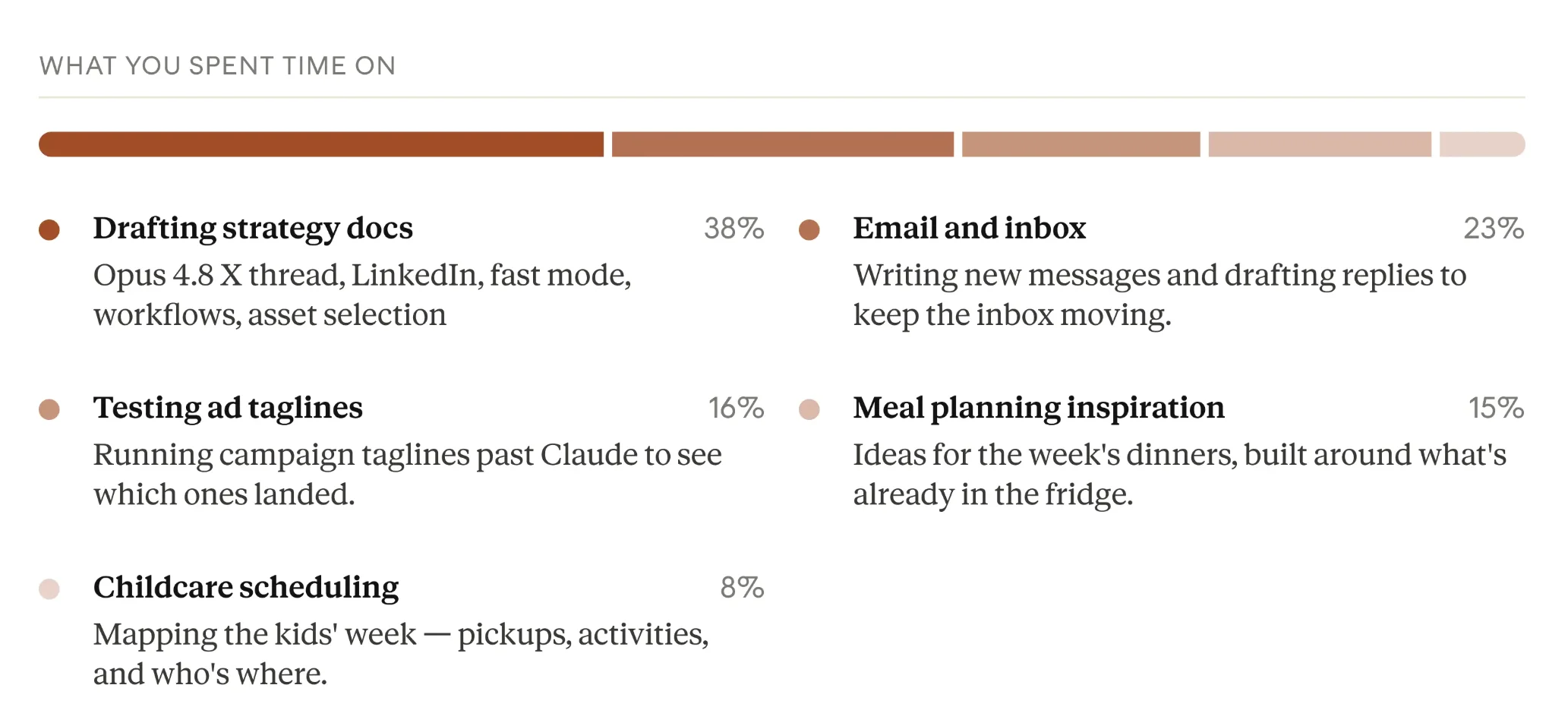
Users can review their most active day, peak hour, total chats, common topics, and frequently repeated tasks. Anthropic also plans to add a total time-spent metric, though it is not yet available.
Reflect also asks users to think about which tasks they still want to do themselves. One prompt Anthropic shared asks, “What’s one thing you want to keep doing yourself, even if Claude could do it faster?”
The feature gives Claude a more personalized view of AI use than a normal activity log. Instead of only showing how often someone opens the app, Reflect tries to turn those patterns into a story about how they work, what they delegate, and where they repeat themselves.
Break reminders and quiet hours
Reflect also includes controls to set quiet hours and schedule reminders to stop using Claude after a chosen period. Users can dismiss those prompts when they need to continue working.
Ryn Linthicum, Anthropic’s head of wellbeing policy, told Engadget that the company built the dashboard to help people use Claude more effectively, rather than push them into longer sessions.
“We were really intentional about building [the dashboard] with an eye toward how we can upskill people's usage of Claude, not in a way that encourages them to spend more time with it,” Linthicum said, per Engadget.
Linthicum also told Engadget that Anthropic did not previously track time spent in Claude because the product team “didn’t want to maximize” that measure. The company still plans to show total usage time later so users can manage their own activity.
Reflect takes a different approach from many consumer app dashboards. The feature still encourages users to examine their habits, but it also raises questions about how much AI tools should measure, nudge, and shape daily work.
How Claude recommends better workflows
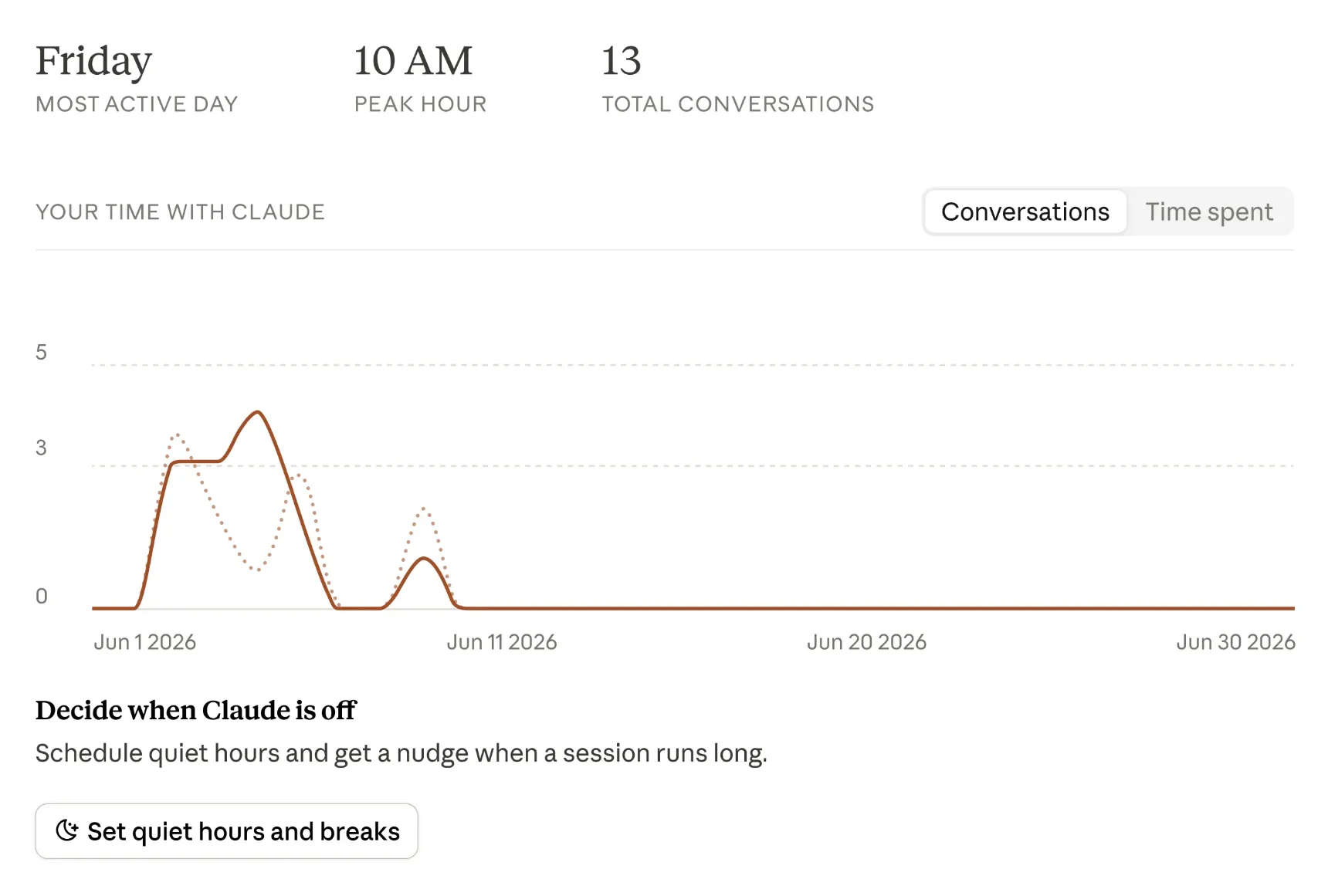
Reflect evaluates Claude's activity through Anthropic’s 4D AI Fluency Framework, which covers delegation, description, discernment, and diligence.
The dashboard may suggest creating a Project when users repeatedly provide the same background information. It can also recommend building a custom skill for recurring tasks such as fact-checking, research, or drafting.
The workflow suggestions could reduce repetitive prompting and make AI-assisted work more consistent. TechCrunch noted that they may also deepen users’ reliance on Claude by encouraging people to move more recurring work into Anthropic’s ecosystem, which could make switching to another AI assistant less convenient.
For workers, that could be useful. A user who repeatedly asks Claude to summarize meeting notes or check drafts could turn those patterns into a more repeatable process.
For companies, the same shift could be harder to ignore. As AI assistants become part of daily work, managers may need clearer policies around what employees can delegate, what must be verified, and which tasks should stay under human control.
Privacy limits and workplace implications
The memory requirement is the key privacy tradeoff.
Reflect is only available when Claude’s memory setting is enabled, so users should know what appears in the dashboard, what stays out, and when incognito mode makes more sense.
Anthropic said Reflect does not include incognito chats, underlying files from connected services, or conversations tied to health integrations. Sensitive topics may still appear in high-level summaries, though the company said the dashboard’s insights are not used for other purposes.
The feature remains in beta. Anthropic aims to add mobile support, total usage time, and insights from Cowork conversations later.
Reflect may look like a playful recap of usage, but it signals a more serious shift in AI products. The next generation of assistants will not only answer prompts; they will also analyze how people work, where they repeat themselves, and when they may need to step away.
More News: Anthropic is bringing its always-on Claude Cowork feature to web and mobile, giving users another way to keep Claude close during daily work.