






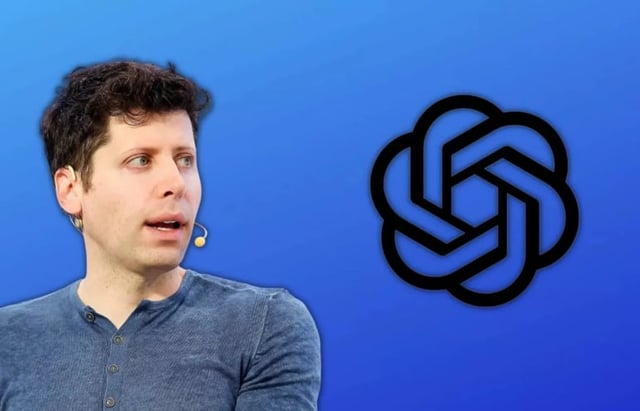


What is in a job? Well, according to OpenAI CEO Sam Altman, jobs created by the internet are not real work and were “kind of created out of nothing.”
The founder of ChatGPT spoke with Rowan Cheung at DevDay 2025. Altman used the analogy of telling a farmer 50 years ago that a magical thing called the internet would create a billion new jobs, and that the farmer would likely not believe that would happen, as being similar to what is happening in the intelligence era.
Many jobs will be created, but it’s hard to see what those jobs will be. Altman acknowledged that this “makes me a little bit less worried and more worried in some other way.”
The changing face of work
While agreeing that the farmer would not only not believe that this would happen, Altman also said, “they very likely would look at what you do or I do and say, like, ‘That’s not real work.’”
Farming is work that makes food to keep people alive, which is real work, he said.
“It’s very possible that if we could see those jobs in the future, we would be like ‘Okay, well… maybe our jobs were not as real as a farmer’s job, but it’s a lot more real than this game you’re playing to entertain yourself.”
Altman went on to say that he strongly believes “people will still have tons of meaning in their life, but I can very much believe that what we think of as work really changes, and from our records perspective, it would maybe look more like less life work than what we do now.”
The CEO stated that he also believes the social contract will change significantly, especially if a transition occurs quickly. This gives him “some short-term worries as we go through this transition, but, man, I’m so willing to bet on human drives being what they are. And I think we’ll find plenty of things to do.”
Work without human oversight, regulating AI
Among the other topics the two discussed, Altman said he believes we are not far from agents working without human oversight and feedback.
“I don’t think Codex is that far away from working from a week of work,’’ Altman said, referring to OpenAI’s software engineering agent that translates natural language into code.
To get there will require “smarter models, long context, better memory,’’ he said.
In response to a question from Cheung, Altman said if he could set one global policy, there should be some global framework for AI regulation “to reduce catastrophic risk,’’ which “would seem very good.”
In August 2025, Altman said that OpenAI will invest “trillions of dollars on datacenter construction” in the future, saying such an investment will pay off in the long run.