






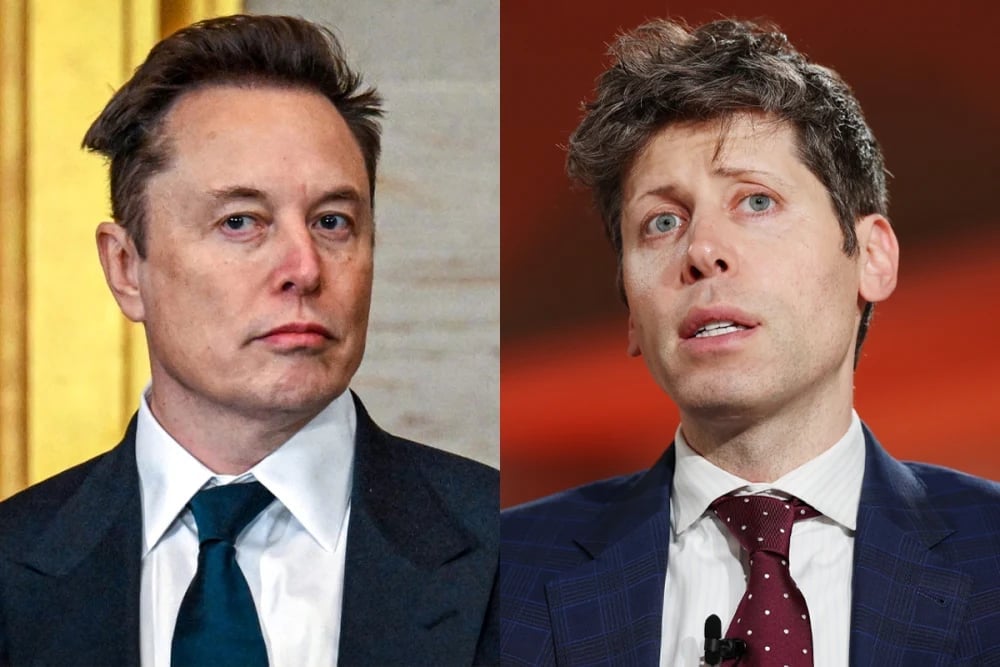


The world’s richest man and the company that turned ChatGPT into the defining product of the AI boom are finally meeting in court.
Elon Musk’s legal fight with Sam Altman and OpenAI enters trial Monday in Oakland, beginning with jury selection after years of accusations and public attacks. The courtroom battle puts OpenAI’s mission, money, and control under pressure, while turning one of Silicon Valley’s most famous founder breakups into a public test of trust.
A narrower case, a bigger fight
Musk’s original lawsuit cast a wide net. By the time it reached trial, the case had been cut down, but what remains still goes straight at OpenAI’s transformation from a nonprofit research lab to a commercial AI giant.
The remaining claims focus on whether OpenAI and its leaders improperly benefited from the move away from the nonprofit model that Musk says he helped fund. His side argues the AI company used its founding mission, early backing, and public-interest image to build a far more valuable business than the one donors were promised.
OpenAI has rejected Musk’s version of events, saying he wanted control of the company, including the CEO role, and later turned against it after losing influence over its direction. The company has called the case “baseless” and part of Musk’s “ongoing pattern of harassment.”
Microsoft is still part of the case, too. Musk alleges the tech giant helped enable OpenAI’s disputed turn. Microsoft denies wrongdoing and says its partnership with OpenAI came after Musk had already left the board.
Musk wants the keys changed
The damages figure is only part of Musk’s ask. His team has put the potential recovery at up to $134 billion, using OpenAI’s valuation and his claimed role in building the nonprofit’s stake.
But he is not seeking a personal payout; he wants any recovery returned to OpenAI’s nonprofit arm. Musk’s side has said it wants to present “all the evidence of the defendants’ wrongdoing” to the jury.
His requested remedies also reach into OpenAI’s leadership and structure. Musk wants Altman and Greg Brockman, OpenAI’s president and co-founder, removed from their roles. He also wants the court to unwind or correct the for-profit restructuring that helped turn OpenAI into one of the most valuable companies in tech.
The witness list brings the power players in
The case could put some of the biggest names in AI and tech under oath. Musk, Altman, Brockman, and Microsoft CEO Satya Nadella are all named as possible witnesses.
Shivon Zilis, a former OpenAI board member and the mother of four of Musk’s children, is likely to be a key witness, according to Reuters. OpenAI’s lawyers have argued that she funneled information about OpenAI to Musk, adding another personal and internal layer to the trial.
The witness list could pull the case back into OpenAI’s earliest power struggles. Old emails, internal documents, and Brockman’s diary entries may become part of the fight over who wanted control, who backed a new structure, and how early OpenAI’s leaders began looking past the nonprofit model.
Bad timing for both sides
The trial is opening at a sensitive moment for OpenAI. The company is trying to protect confidence in its leadership, governance, and long-term business model while preparing for a potential public listing later this year.
Musk also enters court with his own AI company in the race. He is not only an estranged co-founder challenging OpenAI’s direction; he runs xAI, a direct rival to ChatGPT.
OpenAI has called the lawsuit a competitor’s attack, not a rescue mission for its original purpose.
The court fight now gives both sides something to lose. OpenAI faces weeks of testimony about its founding promises, while Musk faces questions over whether this is about mission or control… and how much competition is driving the fight.
OpenAI is giving ChatGPT more room to work with GPT-5.5, especially on tasks that require several steps.