








Emergent, an AI software creation platform designed to help anyone build full-stack, production-ready web and mobile applications, has raised $70 million in Series B funding.
The round was led by Khosla Ventures and SoftBank Vision Fund 2, with participation from Prosus, Lightspeed, Together, and Y Combinator.
The company said in the announcement that the new capital brings its total funding to $100 million within seven months of launching.
The announcement comes as Emergent reports rapid early adoption, with more than five million users building and shipping products on the platform across more than 190 countries. The scale of that uptake suggests that AI-powered development tools are moving quickly from experimental technology into infrastructure for a much broader base of creators, including people without traditional engineering backgrounds.
From gatekeeping to product creation
Emergent’s rise reflects a broader shift underway in the startup ecosystem and the small business economy. The company is positioning itself at the center of a growing movement: turning software development from a specialized skill into an accessible capability that can be used by anyone with a business concept, side hustle idea, or operational need.
The company frames the opportunity around a cultural and economic trend that is expected to intensify in 2026. With one in three U.S. adults planning to start a new business or side hustle within the next 12 months, the market for tools that can shorten the gap between idea and income is expanding. For decades, that path has been limited by technical constraints such as long development cycles, high costs that could reach six figures, and a shortage of engineering talent.
Emergent says its platform removes these traditional bottlenecks by giving non-technical users access to AI coding capabilities that can produce production-grade applications, enabling faster experimentation and faster entry into the market.
How Emergent works
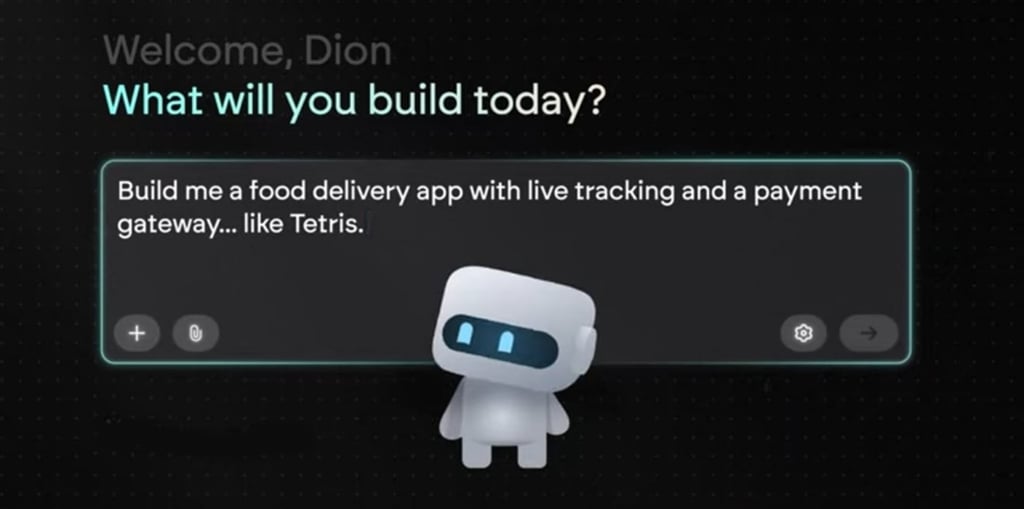
Emergent describes its product as functioning like an end-to-end development team. Instead of relying on a single AI assistant to generate code snippets, the platform uses agents that can design, build, test, and scale software across an entire project lifecycle.
A key part of the company’s pitch is speed to revenue. Emergent says business builders can go from idea to cash flow in hours, not months, because applications built on the platform are designed to ship and are paired with built-in monetization tooling. It specifically highlights Stripe and other integrated billing providers as part of a workflow that makes products “monetization-ready on launch.”
The art of ARR
Emergent’s Series B follows closely behind earlier fundraising rounds. The company raised $23 million in Series A just three months ago, after a $7 million seed round. That timeline represents one of the fastest Series A to Series B progressions in the AI category, reflecting both intense investor interest in AI developer platforms and the pressure to scale quickly in a competitive market.
Alongside the financing news, Emergent announced that it has reached $50 million in ARR within seven months of launch, a milestone that reinforces the idea that demand for AI-assisted software development is growing quickly and may be translating into sustainable subscription revenue.
What comes next
Emergent said the Series B funding will support continued team growth, product development, and expansion into new markets as it targets entrepreneurs and small businesses. The round also follows recent backing from Google’s AI Futures Fund, adding another signal of institutional confidence in the company’s trajectory.
As the market for AI coding platforms continues to crowd with new entrants, Emergent’s emphasis on production-grade software, built-in monetization, and entrepreneur-first usability may become a key differentiator.
If the company can maintain quality while scaling to millions of builders, it could help reshape how software products are created, launched, and funded, making entrepreneurship less dependent on technical gatekeepers and more dependent on speed, customer insight, and execution.
Replit has unveiled its Mobile Apps feature, allowing creators to build and publish Apple device applications using nothing but plain English descriptions.