








The next Netflix show you watch could include AI-generated visuals — and you may never know where they begin or end.
Netflix’s recent Q2 earnings report has revealed that generative AI workflows have been used across roughly 300 movies and TV shows the platform has released this year, making AI-assisted production far more common than many viewers may have realized.
The company says most of the work was done during post-production, where AI helped production crews create visual effects and other complex scenes more efficiently.
The announcement signals that AI is becoming a routine production tool rather than a one-off experiment for major streaming platforms. As studios look for faster, less expensive ways to produce content, audiences are increasingly being asked to trust AI as part of the filmmaking process.
Netflix says AI touched nearly 300 titles
In the report dated July 16, the company confirmed to shareholders that it has been using generative AI for some of the Netflix titles released this year. The company estimates that roughly 300 titles have used generative AI workflows.
Among the examples Netflix shared were Glory, Brasil 70: A Saga do Tri, and The American Experiment, with AI used to help create crowd scenes, historical battle sequences, and worldbuilding shots.
Netflix co-CEO Ted Sarandos said The American Experiment included 17 minutes of AI-enhanced footage produced “twice as fast and at half the cost.”
Netflix frames AI as a production tool
Netflix positioned AI as part of a broader technology push, linking production workflows with other parts of its business, including discovery, ads, and content delivery. According to The Independent, the letter was “seemingly aimed at encouraging investors by suggesting that it was adapting to new technology.”
The company, which has been using AI in its movies since at least 2025, noted that AI helped it include scenes that “productions would have left out” due to technical challenges. In other words, the company is framing this development as a future direction.
Netflix has reportedly also begun considering other measures to help retain its top position. That includes exploring traditional TV-style viewing and bundling other streaming services inside the Netflix app.
What this means for the future of entertainment
Netflix says AI is currently being used to support post-production, but its disclosure may have effects beyond how movies and TV shows are made. For viewers, one immediate change could simply be how they watch.
As AI becomes more common in production, audiences may increasingly find themselves wondering whether a crowd scene, battle sequence, or sweeping landscape was filmed traditionally or created with AI assistance.
That shift could also bring greater expectations for transparency, with viewers increasingly wanting to know when AI has materially shaped what they're watching.
At the same time, AI's growing role in post-production highlights how quickly the technology is maturing. Combined with rapid advances in AI video generation, this suggests the industry may gradually expand AI beyond enhancing scenes to potentially creating full movies, with Netflix already positioning itself for such.
The announcement also sends a signal to the wider entertainment industry.
If AI continues helping studios reduce production costs and complete complex scenes more quickly, competing platforms may face growing pressure to adopt similar workflows to remain competitive. How audiences respond to that shift could ultimately influence how aggressively streaming services expand AI's role in future productions.
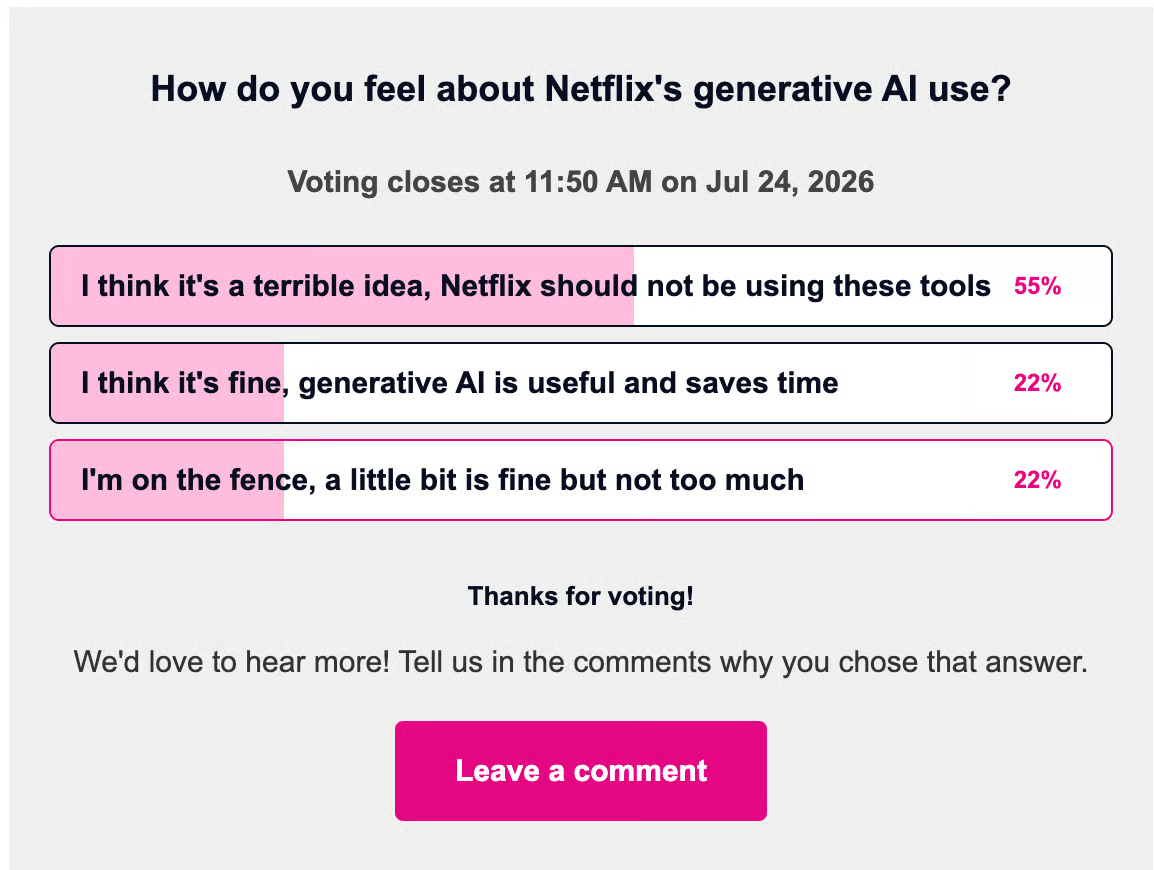
As of the time of writing, a poll from TechRadar indicates that the majority of viewers disapprove of this recent direction, indicating current sentiment.
Any expansion beyond post-production, however, is also likely to deepen existing concerns among actors, writers, and other creative professionals who have long warned about — and protested against — the use of AI in ways that could replace parts of the creative process rather than simply support it.
While Netflix's disclosure may reassure shareholders that its AI strategy is beginning to deliver measurable results, viewers will ultimately decide how comfortable they are with AI becoming part of mainstream entertainment.
Whether AI-assisted productions become a selling point or a source of backlash may depend not only on how the technology is used, but also on how openly streaming services communicate its role.
Also read: Sora alternatives are filling the gap left by OpenAI’s video tool, showing how quickly AI-generated video workflows are moving into practical creative use.