






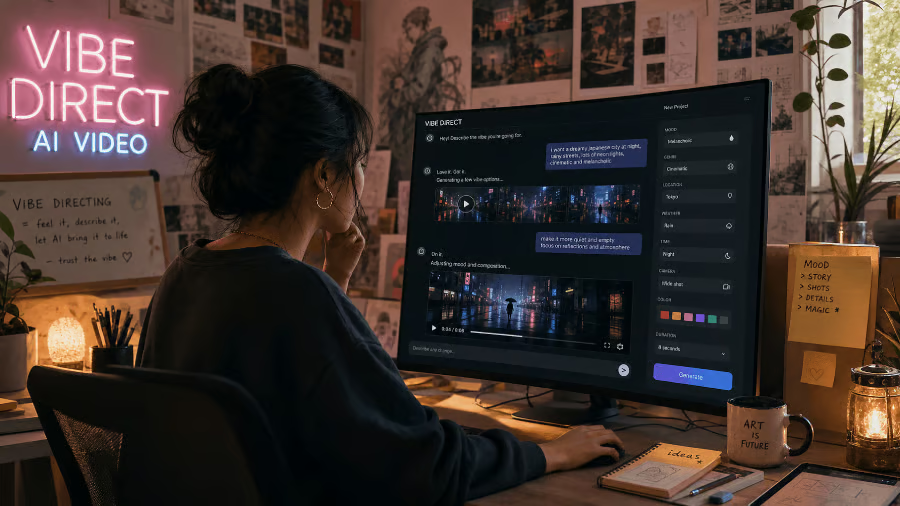


OpenArt wants AI video creation to feel more like directing a movie than writing a prompt.
The company is calling the approach “vibe directing,” a process where creators describe their ideas, refine scenes through dialogue, and let AI handle much of the production work. OpenArt says Director can generate complete videos with visuals, voices, music, and sound effects while keeping characters, styles, and scenes consistent throughout the production.
OpenArt said it serves 8 million monthly active users on its platform. The company described vibe directing as the video equivalent of vibe coding, in which people build software by describing what they want rather than manually writing every line of code.
CEO and co-founder of OpenArt, Coco Mao described OpenArt as an opportunity for everyday people to create quality videos as well as help professionals to uplevel their work.
“Just as vibe coding changed the game for who can create software, we are making creativity and video creation more accessible through our vision for vibe directing,” said Mao.
From short AI clips to longer stories
One of Director’s biggest changes is the ability to create videos up to five minutes long.
Earlier AI video tools often focused on generating short clips, which limited their use for projects requiring a beginning, middle, and end. OpenArt said the longer format is aimed at projects such as product advertisements, music videos, educational content, and short films.
The tool is also built around maintaining consistency, which is a major challenge for AI-generated video. OpenArt assured that Director can preserve character appearances, product details, visual style, voice, and audio continuity from the first scene to the final frame.
Users can also make changes through conversation rather than rebuilding a project from scratch. The company said creators can adjust specific scenes, refine shots, and control details through a timeline interface.
OpenArt also positions Director as a tool for businesses through its brand-focused features that enable teams to upload guidelines, including colors, typography, tone, product visuals, and other identity elements. OpenArt added that the platform can help maintain consistency across generated videos.
A shift from generating content to directing it
OpenArt’s larger argument is that AI video tools are moving beyond simple generation. Instead of users entering a prompt and accepting a result, vibe directing puts them in a more active creative role.
The company says creators can start with rough ideas and develop them through conversation, with the AI acting more like a production team handling technical tasks. This approach could lower barriers for independent creators, marketers, and small businesses that previously needed expensive equipment, editing skills, or outside production teams.
What it could mean for the video industry
The rise of conversational video creation can change how companies approach marketing, social media, and content production. Small teams may be able to create more video variations without incurring traditional production costs, while creators can experiment with unfinished ideas due to time or budget constraints.
However, AI filmmaking still faces challenges. Maintaining perfect consistency across complex scenes, ensuring originality, and managing copyright concerns remain important issues as these systems become more capable. OpenArt said its outputs are developed using responsibly sourced data and practices that respect creators’ rights.
For professionals, tools like Director may not replace traditional filmmaking but could become another production aid that speeds up development and experimentation. For newcomers, the technology could make video creation more accessible by moving the hardest technical steps behind the scenes.
More news: AI-generated actor Tilly is set to star in her first feature film. Find out what viewers can expect.