






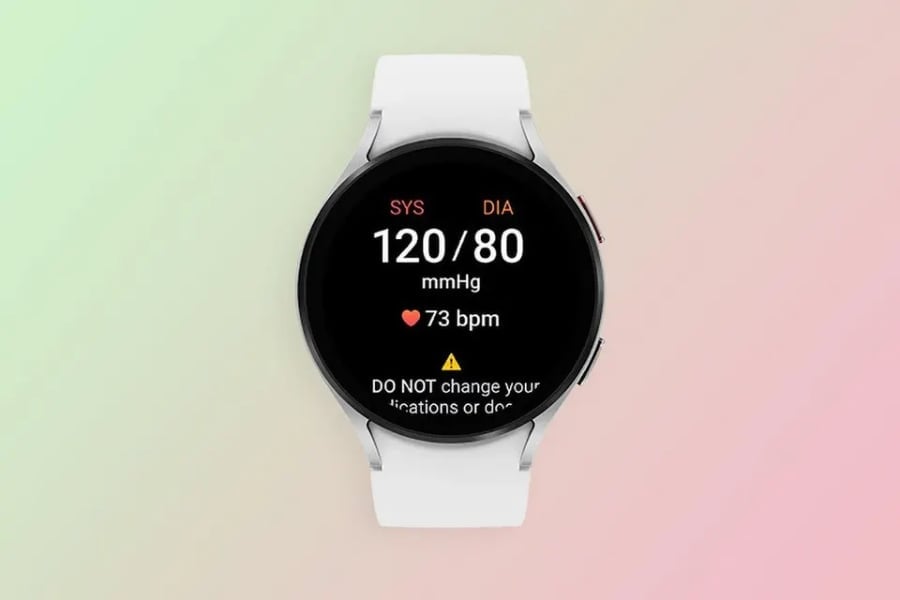


After years of regulatory back-and-forth, Samsung is bringing blood pressure monitoring to the US with its Galaxy Watch lineup.
The rollout comes after years of delay from US health regulators, who must approve health-based features that could influence medical decisions. While Samsung has rolled out blood pressure tracking in markets like South Korea and other regions since 2020, the company had to wait until the feature cleared US standards before enabling it locally.
The feature itself doesn’t replace traditional blood pressure cuffs. Instead, it relies on sensor-based estimates calibrated every 28 days against a separate hardware cuff, allowing users to track blood pressure trends over time. Even so, its arrival signals a significant industry-wide shift: consumer wearables are steadily expanding into areas once reserved for medical-grade devices.
How the feature works
9to5mac reports that since its commercial rollout in 2020, Samsung has not changed much in the underlying technology behind the watch. Samsung, in its newsroom, disclosed how it works, saying:
“Samsung’s blood pressure technology calibrates values and blood pressure changes to estimate your blood pressure. To ensure accuracy, users are required to calibrate their Galaxy Watch using an upper arm cuff (sold separately) every 28 days. Compatible Galaxy Watches measure systolic and diastolic blood pressure along with your heart rate using the internal heart rate monitoring sensors.”
In other words, the watch uses its built-in sensors to track blood flow in the wrist and capture the user’s pulse wave signals. By calibrating with a traditional blood pressure cuff, it builds a personal model using both its data and the cuff’s pressure readings. That first calibration establishes a model baseline, which it constantly pairs to estimate blood pressure from ongoing sensor data.
However, due to periodic biological changes, calibration is required every 28 days to maintain accuracy.
Availability and setup
According to Samsung, the Watch began a phased rollout on March 31. Its newsroom footnotes state that the Watch is only available on the Galaxy Watch4 series and later models running WatchOS 4.0 or later, excluding the Galaxy Fit. On top of that, it only pairs with Samsung devices running Android 12 or higher.
Moreover, the rollout is phased, so some users will still have to wait before the feature becomes available on their compatible watches.
To set up the feature, connect your watch to your Samsung phone using Bluetooth. In the Samsung Health Monitor app, check whether the feature is available to you. If yes, enable it, and follow the on-screen instructions. Ensure that your cuff is within reach when doing this.
The bigger picture, plus potential limitations
Smartwatches have gradually moved from mere fancy gadgets with apps to devices that now help prevent medical crises through built-in features. From sleep monitoring to fitness tracking, smartwatches have become the medical consultants people now rely on for everyday, simple medical decisions.
When it comes to smartwatches, Apple remains a strong competitor to Samsung in the US, and this milestone represents not just a win for Galaxy users but also for the company. The very fact that this technology works only with Samsung phones could be a limiting factor for its widespread adoption in the US. That is because, as of the publication date, Apple dominates the US smartphone market with a commanding lead over its closest rival, Samsung.
However, Samsung’s persistence, even as years of regulatory bureaucracy delayed its entry into the US, could suggest it has more to offer the US market. And if that helps it gain more market share in the US, that’s up to the future to tell.
Also read: Meta’s rumored smartwatch with health tracking shows how wearable makers are still betting on sensors and AI to make devices more useful day to day.