








The AI bubble has been uplifting tech businesses — but what happens when it pops?
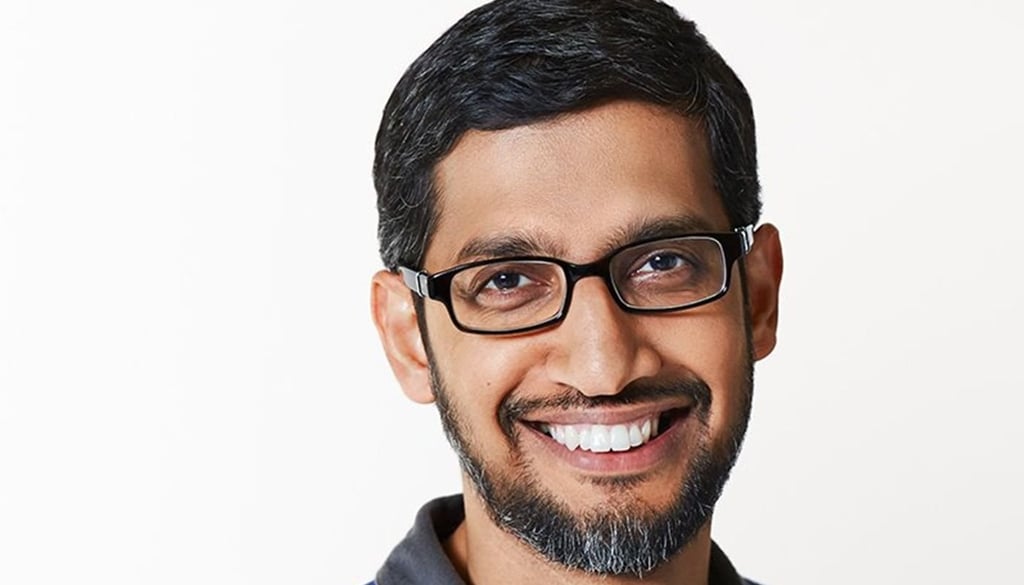
Google and Alphabet CEO Sundar Pichai has a few ideas, having issued one of Silicon Valley’s clearest warnings yet about the current AI investment surge, which is showing signs of unsustainability.
In an interview with the BBC, Pichai described the AI boom as an “extraordinary moment” but acknowledged “elements of irrationality” emerging as valuations skyrocket and capital floods into the sector.
Pichai’s caution comes as global AI deals exceed $1.4 trillion, even as revenue projections for some flagship players remain comparatively modest. Analysts have drawn parallels to the late-1990s dot-com bubble, when early World Wide Web optimism fueled an investment frenzy that ballooned before the market crashed in 2000.
Alphabet’s rise and the AI chip race
Alphabet’s market value has doubled in seven months, reaching $3.5 trillion amid growing investor confidence in the company’s ability to compete with OpenAI. A key contributor to this growth is Google’s push into custom AI superchips, directly challenging Nvidia, one of the sector’s biggest chip manufacturers.
Yet despite Alphabet’s come-up, Pichai stressed in his interview that no company would be spared if the AI market took a sharp turn for the worse. JPMorgan CEO Jamie Dimon has echoed the sentiment, predicting that while AI investment will yield long-term gains, much of today’s capital will “probably be lost.”
The UK features prominently in Alphabet’s expansion plans, as the company has committed £5 billion to local infrastructure and AI research, including expanded work at DeepMind. For the first time, Google intends to train frontier-scale models in the UK, which is a move government officials argue will help position the country as the world’s number-three AI power.
Energy challenge, climate pressures, and AI’s impact
As the old saying goes, what goes up must come down. In the meantime, Pichai emphasized that AI’s breakneck growth poses real-world constraints, particularly in terms of energy consumption.
AI systems already account for an estimated 1.5% of global electricity use, and Google’s expanding compute requirements have delayed its efforts to meet its climate objectives. While Alphabet still targets net zero by 2030, the CEO acknowledged that “the rate at which we were hoping to make progress will be impacted.”
Moving forward, Pichai frames AI as both transformative and disruptive. Jobs will shift, he said, but those who thrive will be the ones embracing the technological changes that prompt them to adapt. “Every profession will still exist. The people who learn how to use these tools will do better.”
Google has launched Gemini 3, a major upgrade to its AI lineup that’s rolling directly into its biggest products.