








New York City streets are about as unforgiving as it gets — honking cabs, darting delivery bikes, loud hot dog vendors, and pedestrians treating “Don’t Walk” signs as mere suggestions. This is exactly where Tesla wants to test its autonomous driving systems.
The company is now recruiting “vehicle operators” in Queens to drive engineering cars for extended periods, gather data, and provide feedback on its robotaxi and Full Self Driving (FSD) technology.
According to the job listing on Tesla’s website, those hired will be “responsible for driving an engineering vehicle for extended periods, conducting dynamic audio and camera data collection for testing and training purposes.” Pay ranges from $25.25 to $30.60 per hour, depending on position level, with afternoon and night shifts paying up to $33.66 an hour. Benefits are included, and shifts run either Tuesday-Saturday or Sunday-Thursday.
The ideal applicant, Tesla says, is tech-savvy, experienced with autonomous driving systems, able to debug software, and capable of writing detailed daily reports.
A missing puzzle piece: permits
There’s just one hiccup: Tesla hasn’t applied for the permits that are required to test autonomous vehicles (AVs) in New York City or the state. A spokesperson for the NYC Department of Transportation shared with CNBC that Tesla has not filed for the necessary approvals as of Aug. 11.
Under city rules, any company testing AVs must have “a trained safety driver behind the wheel, ready to take control of an AV-enabled vehicle at all times,” according to a DOT spokesperson, as reported by CNBC. The state’s Department of Motor Vehicles said the same thing — that Tesla has not applied for the permit needed to test automated driving systems, even with a human driver.
Meanwhile, Alphabet’s Waymo, billed as “The world’s first autonomous ride-hailing service,” has applied for such a permit in New York, though its application is still under review.
Following the familiar
Tesla’s recruitment push in New York is just like its approach in other cities. In Austin, Texas, Tesla has been running a small fleet of robotaxis since June, with employees sitting in the front passenger seat, ready to take over if needed. In San Francisco, Tesla offers a “ride-hailing” service with a safety driver in the driver’s seat, despite lacking authorization for fully driverless passenger service.
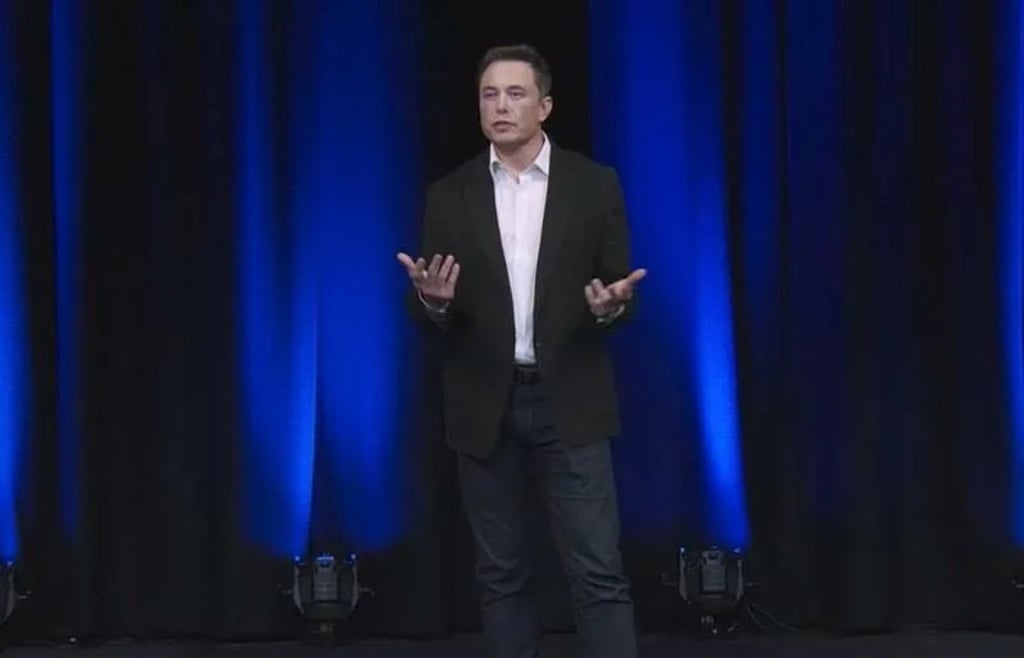
CEO Elon Musk has been vocal about shifting Tesla’s focus toward AI and robotics, predicting that autonomous ride-hailing could be available to “probably half of the population of the US by the end of the year,” pending regulatory approval. But for now, the company still earns most of its revenue from EV and energy storage sales, and its path to robotaxi dominance in New York starts with hiring human drivers for a very non-autonomous job.
For more robotics-related news, read about an upcoming milestone for humanoid robots.