









OpenAI and Anthropic are facing pressure from an increasingly familiar direction: cheaper Chinese AI models that are no longer far behind on performance.
Chinese startup Z.ai has unveiled GLM-5.2, an open-weight, lower-cost AI model with performance ratings comparable to frontier AI systems on reasoning, coding, and agent-focused workloads. Strong benchmark results and early developer adoption suggest the launch is echoing the momentum that followed DeepSeek’s arrival, as reported by Reuters.
The release marks another step in China’s steady advance towards the industry’s leading models, shifting competition beyond raw performance to deployment flexibility and operating costs. Security, regulatory, and geopolitical concerns remain barriers to adoption, particularly among regulated organizations.
But GLM-5.2's arrival, as AI access restrictions and pricing pressures reshape the AI market, could serve as an advantage to counter that.
Closing the AI leaderboard gap
Much of the attention on GLM-5.2 stems from its performance across several independent AI tests. These benchmarks matter because they provide an easy way for organizations and individuals to compare the model’s performance with what industry heavyweights like OpenAI and Anthropic bring.
One of the broadest measures is the Artificial Analysis Intelligence Index, which ranks AI models based on reasoning, knowledge, and other general-purpose capabilities. As of writing, GLM-5.2 ranks among the top models in intelligence and speed, while remaining more expensive than some lower-cost open-weight rivals.
However, when combined with other factors, the model currently ranks sixth, trailing behind Anthropic and OpenAI frontier models, making it the number one Chinese model on that list.
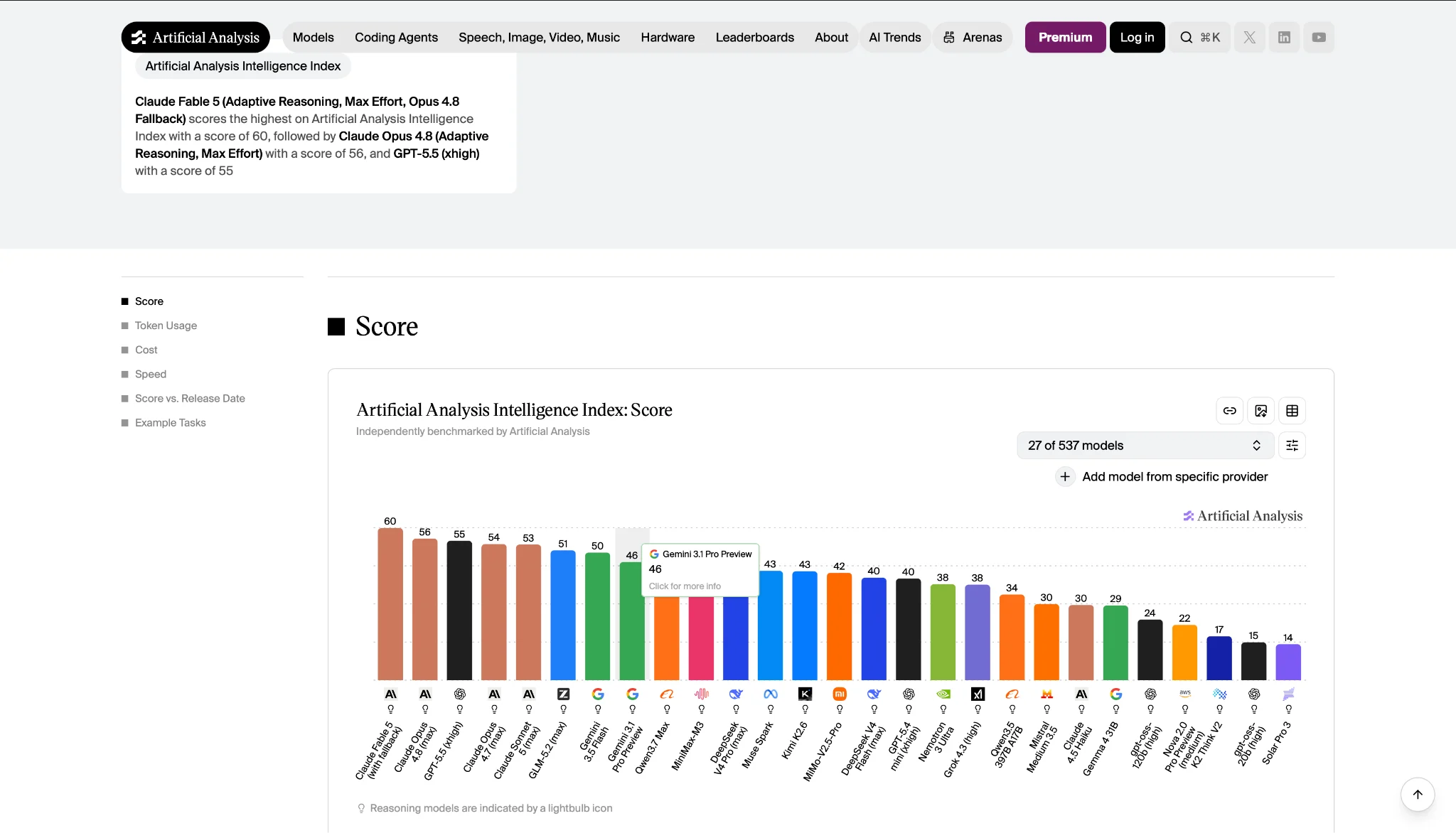
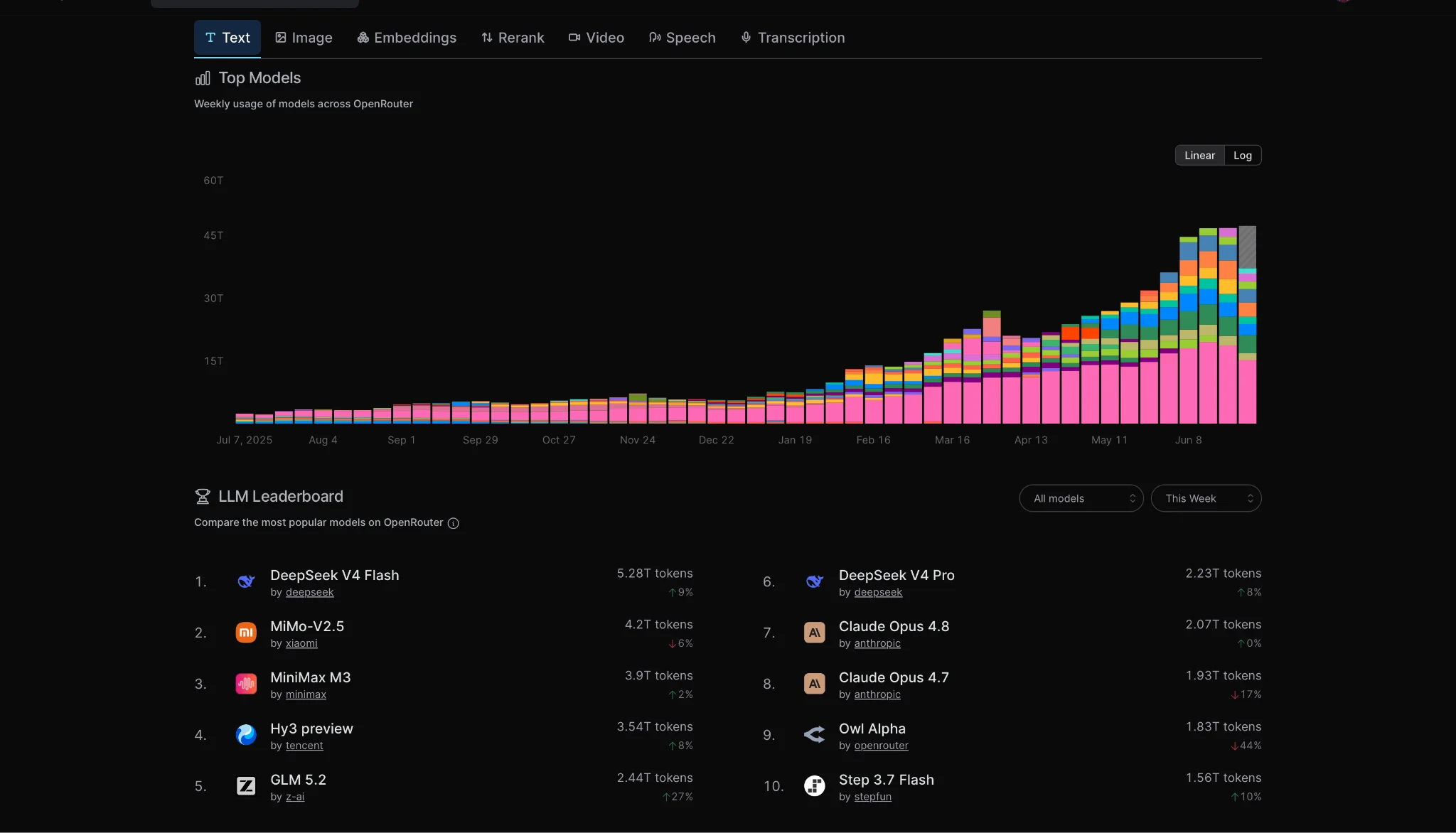
Benchmarks, however, are only part of the picture. Usage rankings from OpenRouter place GLM-5.2 at number five. That indicates high developer interest. According to Reuters, Silicon Valley leaders and investors have also commended the model’s ability.
Emphasizing the model’s capabilities, US President Donald Trump’s former AI advisor, David Sacks, noted that GLM-5.2 “is as good as” domestic versions, while citing recent US AI restrictions as a reason China appears to be catching up so quickly.
Market response amid potential concerns
Beyond technical benchmarks and adoption statistics, widespread adoption will depend on how well Z.ai’s model climbs the mountains it faces.
One of the clearest hurdles is the company’s reported ties to Beijing.
According to the New York Times, those ties, along with concerns that Chinese AI firms have used restricted US technology to develop rival AI platforms, could impede GLM-5.2’s growth outside China. But the company appears to be betting that offering strong performance at lower cost will help GLM-5.2 overcome some of those concerns.
That comes at a time when adopters are looking not only for cheaper alternatives to mainstream AI platforms but also for models with fewer restrictions.
GLM-5.2 fills both gaps at once. The model is open-weight, meaning organizations can download and customize it while gaining greater control over its use. That could also help address the issue of trust. If adopters run the cheaper model on their own infrastructure rather than routing requests through Chinese AI servers, they may be more inclined to try it out.
With the company already planning a direct Fable 5 rival by next year, GLM-5.2 may prove less of a finish line than the beginning of a more aggressive challenge. Whether the trust gap follows the same trajectory is a question the industry has yet to answer.
Also read: OpenAI has reportedly discussed giving the US government a 5% stake as policymakers debate who should benefit from AI’s economic gains.