




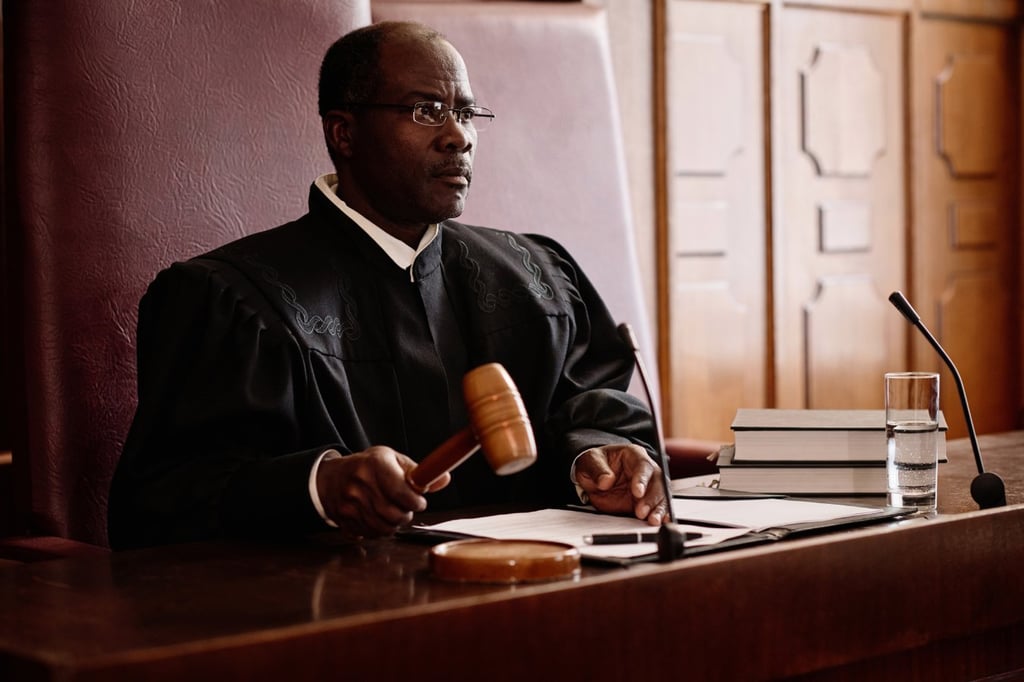
Australian defense lawyer Rishi Nathwani just became the latest casualty in AI’s ongoing assault on legal credibility as the King’s Counsel took “full responsibility” for submitting fabricated quotes and nonexistent case citations generated by artificial intelligence during a teenager’s murder trial. Nathwani apologized to Justice James Elliot last week after the AI-generated errors caused a 24-hour delay in a case Elliott had hoped to conclude immediately.
“The ability of the court to rely upon the accuracy of submissions made by counsel is fundamental to the due administration of justice,” Elliot said.
Recent data revealed 129 cases worldwide in which courts have encountered AI-generated hallucinations, with 32 cases in May alone. Fake submissions in Australia included fabricated quotes from legislative speeches and Supreme Court citations that don’t exist, discovered only when Elliott’s associates who couldn’t locate the cases demanded copies.
The $37 billion problem
Industry projections released last year show AI spending in law firms expected to reach $37 billion by the end of 2024, while the use of AI by lawyers increased from just 19% in 2023 to 79% in 2024. But AI tools — even specialized legal tools from industry giants LexisNexis and Thomson Reuters — hallucinate between 17% and 33% of the time, despite claims to the contrary.
The Australian incident adds to a pattern of professional destruction. Last week, an Arizona federal court issued extensive sanctions against attorney Maren Bam, revoking her pro hac vice status and forcing her to write personal apology letters to three federal judges whose names appeared on cases fabricated by AI. Back in February, Wyoming courts threatened sanctions against Morgan & Morgan, the largest personal injury firm in America, after it cited eight nonexistent cases generated by ChatGPT.
Who is to blame: the AI or the attorney?
The Australian case reveals that even experienced attorneys can fall victim to AI’s deceptive confidence. Nathwani’s team admitted that it “checked that the initial citations were accurate and wrongly assumed the others would also be correct,” a fatal assumption that violates Australia’s Rule 11 requiring attorneys to personally verify all legal authorities.
Justice Elliott’s response was swift and unforgiving. “It is not acceptable for artificial intelligence to be used unless the product of that use is independently and thoroughly verified,” he said, citing Supreme Court guidelines established seven months ago.
The stakes are escalating. Last week, British High Court Justice Victoria Sharp warned that providing false AI-generated material could constitute contempt of court or “perverting the course of justice,” which carries a maximum sentence of life in prison. US court records show federal sanctions average $4,713 per violation, with one reaching $31,100.
The AI reckoning that legal professionals cannot ignore
This crisis exposes a fundamental disconnect between AI adoption and AI competence. Lawyers cannot safely enter confidential information into public AI tools and must independently verify every AI-generated output.
The Australian lawyer’s apology represents more than professional embarrassment. It’s a watershed moment highlighting the urgent need for verification protocols in an industry racing toward AI integration. As courts worldwide impose increasingly severe sanctions, the legal profession faces a critical choice: master AI’s limitations or face the consequences.
Read our guide to the best AI for lawyers in 2025 to learn more about the tools available to help attorneys, paralegals, and others in the legal profession.