




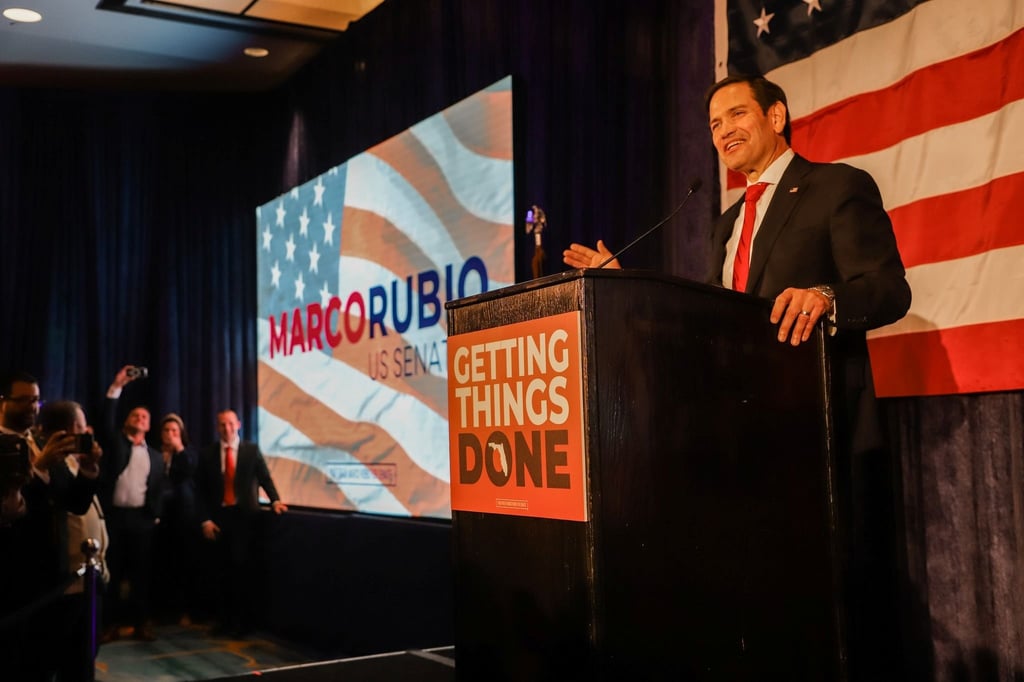
An AI-generated voice impersonating Secretary of State Marco Rubio has targeted US and foreign officials in a deceptive messaging scheme conducted over Signal, prompting internal security warnings.
According to a cable reported by The Washington Post, the impersonator appeared to be attempting to manipulate officials to gain sensitive information or access internal accounts. The State Department has launched an investigation amid growing concern about vulnerabilities in official communication channels.
A familiar name and a convincing voice
The impersonator initiated contact in mid-June, sending messages through Signal that appeared to come from Rubio. By using AI voice generator technology, the perpetrator mimicked his tone and writing style. According to The Post, the messages were sent from a Signal account with the display name “Marco.Rubio@state.gov,” which is not a real government address.
The cable also noted that the messages were delivered to three foreign ministers, a US governor, and a member of Congress. In at least two instances, voicemails were left, while another target received a text message inviting the recipient to continue the conversation on Signal.
The communication was convincing enough that some recipients initially believed it to be authentic. The sender’s identity has not been confirmed, and officials declined to disclose the content of the fraudulent messages.
Officials launch probe as AI impersonation cases multiply
The State Department has confirmed that the case is under internal review. “The Department takes seriously its responsibility to safeguard its information and continuously takes steps to improve the department’s cybersecurity posture to prevent future incidents,” a senior official was quoted as saying by The New York Times. Further details were withheld, citing “security reasons” and the ongoing nature of the investigation.
The cable instructed US diplomatic posts to warn external partners about the risk of impersonation attempts and to report any suspicious activity. It also advised individuals outside the department who received the messages to contact the FBI’s Internet Crime Complaint Center.
The Bureau of Diplomatic Security is leading the response. No timeline has been given for when the investigation might conclude.
Aside from Rubio, White House Chief of Staff Susie Wiles was also targeted with synthetic media earlier this year, underscoring how artificial intelligence has increasingly been used to fabricate statements and impersonate high-level officials.
It was easy to fake, and easier to let through
Voice impersonations do not necessarily require sophisticated AI tools. In The Post’s article, digital forensics expert Hany Farid commented that a convincing voice clone can be created with as little as 15 to 20 seconds of audio.
In an email statement, Element CEO Matthew Hodgson said the Rubio incident exposed how the lack of identity controls in consumer apps like Signal leaves government communications vulnerable. He argued that only a customized, government-operated encrypted system with verified access could have prevented the breach — a gap made more urgent by findings that most AI voice cloning platforms fail to stop misuse.
Curious how scammers use AI voice cloning to fool even savvy users? Check out our article on emerging threats in voice fraud and what you can do to protect yourself.