




This AI news will bring creatives ‘moments of pleasure’ and the feeling of ‘everything in its right place.’
The UK government just suffered a crushing defeat in its controversial plans to let AI companies freely train on copyrighted work.
After nearly a year of fierce protests from Britain’s creative community, today’s (Dec. 16) survey results revealed 88% of 11,500+ respondents demanded that AI companies secure licenses before using any copyrighted material.
Meanwhile, only 3% backed the government’s preferred “opt-out” approach, and a measly 0.5% wanted broad AI training exceptions.
This survey represents a complete reversal of what ministers had hoped to achieve when they launched their consultation nearly a year ago.
Music industry celebrates
The creative sector wasted no time claiming victory. “It is imperative that the Government unequivocally drops its previously preferred option,” declared BPI chief strategy officer Sophie Jones this morning. UK Music’s Tom Kiehl went further, demanding the government “unilaterally drop its anti-creator, anti-business proposal.”
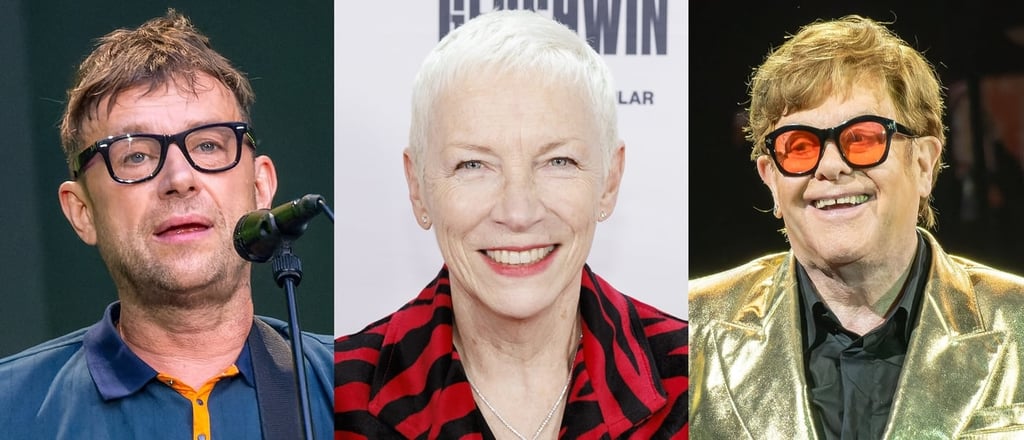
The consultation results vindicate a campaign that began nearly 10 months ago when over 1,000 musicians released a “silent album” in February, featuring empty studio recordings to protest the proposed changes. High-profile supporters included Kate Bush, Annie Lennox, Damon Albarn, and members of Radiohead – all warning that the government’s opt-out system would amount to legalized theft.
The economic reality behind the rebellion
What makes this victory particularly striking is the stark divide revealed in the responses. Creative industry professionals overwhelmingly opposed the opt-out model, while tech sector respondents favored the exceptions – but they were vastly outnumbered.
Research published four months ago painted a concerning picture of what’s at stake. The creative industries contribute £124.6 billion or 5.7% to the UK’s economy and employ 2.4 million people. By contrast, critics argue that licensing requirements could cost the broader economy £11.5-19.7 billion annually in reduced AI productivity gains.
The compensation math gets even more revealing when examining individual creator payments. Under current licensing deals, a 10,000-token essay would earn its creator about 20 pence, while an illustrator with 1,000 works might receive around £24 total.
Government retreats
The decisive survey results validate warnings from leading academics who cautioned 10 months ago that the government’s approach was fundamentally flawed. Cambridge researchers warned in February that forcing creatives to opt out “risks stifling new talent” and puts unfair burdens on emerging artists lacking legal resources.
Professor Gina Neff from Cambridge’s Minderoo Centre for Technology and Democracy struck directly at the heart of the issue: the opt-out model tells “Britain’s artists, musicians, and writers that tech industry profitability is more valuable than their creations.”
The government had previously acknowledged the consultation feedback would be crucial, with the Data Minister describing the proposals as a “win-win” for both sides back in December.
What happens next for UK AI and copyright law
The overwhelming rejection leaves ministers with few options beyond abandoning their preferred approach. The consultation has clearly demonstrated where public sentiment lies.
The House of Lords had already dealt four defeats to the government’s AI copyright plans six months ago, with peers backing calls for greater transparency after musicians like Sir Elton John warned of threats to creative industries.
Industry observers note that this battle reflects broader tensions playing out globally between tech giants seeking unfettered access to training data and creative professionals demanding fair compensation.
While the UK creative sector has won this round decisively, the underlying economic pressures that led to the government’s initial proposals haven’t disappeared.
Actor and tech entrepreneur Joseph Gordon-Levitt warned that AI could leave society “lacking empathy” if it replaces real human connection.