


Open Data Center Alliance, Part 9–I/O Controls

Published: Jun 24, 2011
Updated: Feb 2, 2021
2 minute read
Open Data Center Alliance, Part 9–I/O Controls
eWeek のコンテンツおよび製品のおすすめは、編集上の独立性を保っています。パートナーへのリンクをクリックすると、当社が報酬を得る場合があります。 詳細を見る

[WP_IMAGE]

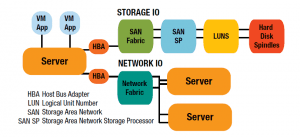
The Open Data Center Alliance Input/Output Controls is a short document that references one of the big problems raised by increased virtual machine density in a cloud environment: I/O contention.

The Open Data Center Alliance (ODCA) uses the Input/Output Controls (I/O) usage model to weigh in on the side of work being done my NIST (National Institute of Standards and Technology) and the DMTF (Distributed Management Task Force) when it comes to I/O bottlenecks. To control for I/O bottlenecks, the I/O Controls publication focuses on monitoring, SLA metrics, APIs, timeslice controls, and I/O reservations. The fundamental expectation of the I/O Control publication is that all of these requirements could be met in multi-vendor environments using non-proprietary protocols.

IT managers should look at the underlying monitoring and reporting capabilities as a basis for setting appropriate SLAs. When combined with information from the Service Catalog, the two publications together give a good overview of what cloud computing is capable of delivering today.

As I conclude this series of blog entries, it’s important to remember that these are the first versions of the ODCA usage models. I recommend that IT managers should look through all of the publications and see where the specific measures and requirements can be added to vendor requests. I think the ODCA is on the right track in coming together to promote ways to make it easier for cloud consumers to make better choices among the vendors who offer cloud services.

Table of Contents for the Series:

1. IT Users Band Together: a brief introduction to the ODCA 2. Virtual Machine Interoperability 3. Carbon Footprint 4. Security Monitoring 5. Security Provider Assurance 6. Regulatory Framework 7. Standard Units of Measure for IaaS 8. Service Catalog 9. I/O Controls

Cameron Sturdevant

Cameron Sturdevant

Content Writer

Cameron Sturdevant is the executive editor of Enterprise Networking Planet. Prior to ENP, Cameron was technical analyst at PCWeek Labs, starting in 1997. Cameron finished up as the eWEEK Labs Technical Director in 2012. Before his extensive labs tenure Cameron paid his IT dues working in technical support and sales engineering at a software publishing firm . Cameron also spent two years with a database development firm, integrating applications with mainframe legacy programs. Cameron's areas of expertise include virtual and physical IT infrastructure, cloud computing, enterprise networking and mobility. In addition to reviews, Cameron has covered monolithic enterprise management systems throughout their lifecycles, providing the eWEEK reader with all-important history and context. Cameron takes special care in cultivating his IT manager contacts, to ensure that his analysis is grounded in real-world concern. Follow Cameron on Twitter at csturdevant, or reach him by email at cameron.sturdevant@quinstreet.com.

eWeek Logo

eWeek has the latest technology news and analysis, buying guides, and product reviews for IT professionals and technology buyers. The site's focus is on innovative solutions and covering in-depth technical content. eWeek stays on the cutting edge of technology news and IT trends through interviews and expert analysis. Gain insight from top innovators and thought leaders in the fields of IT, business, enterprise software, startups, and more.

TechnologyAdvice が所有・運営しています。 © 2026 TechnologyAdvice. 無断転載を禁じます

広告主に関する開示:このサイトに掲載されている製品の一部は、TechnologyAdvice が報酬を受け取っている企業のものです。この報酬は、製品がこのサイトのどこにどのように表示されるか(表示される順序など)に影響する場合があります。TechnologyAdvice は、市場で入手可能なすべての企業やすべての種類の製品を掲載しているわけではありません。