






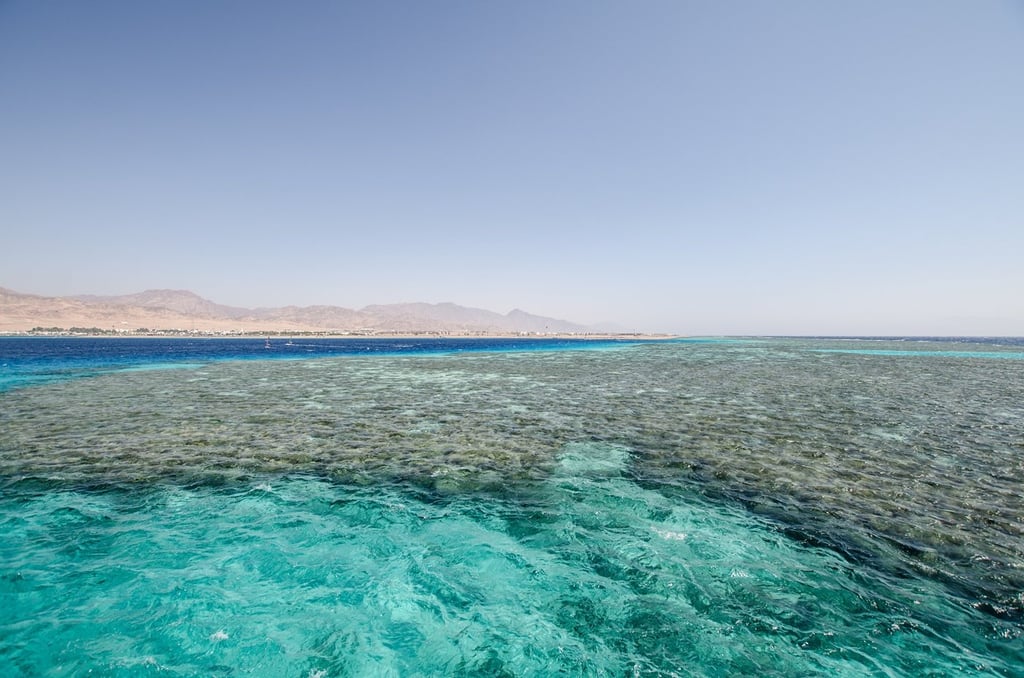


Chaos in the Red Sea has turned the world’s digital lifeline into a battleground.
You can feel the ripples, slower pages, choppy video calls, the works. Meta’s massive 45,000-kilometer 2Africa cable project, originally planned for completion by 2025, now sits stalled, its southern Red Sea segment still too dangerous to build.
Google’s Blue-Raman system faces the same kind of delays, along with critical builds like India-Europe-Xpress and Sea-Me-We 6, all trapped in what’s become a maritime war zone. Meta pointed to operational challenges, regulatory hurdles, and geopolitical risks, and none of that looks close to easing.
Hidden war disrupting your internet connection
According to Bloomberg, Iran-backed Houthis have spent the past two years launching relentless missile attacks that forced commercial vessels into costly detours and made it impossible for specialized cable-laying ships to operate. This is not just a shipping problem. The Red Sea carries approximately 17 percent of global internet traffic and over 90 percent of Europe-Asia communications.
It kept getting worse. Back in March 2024, four undersea cables were severed in the Red Sea, disrupting an estimated 25 percent of telecommunications traffic between Asia, Europe, and Africa. Two months ago, several fiber-optic cables were cut again, degrading internet connectivity across the Middle East and Asia. Microsoft’s Azure cloud service was hit during these incidents, proof that no tech giant remains immune.
Billion-dollar scramble for alternative routes
Facing these mounting risks, tech companies are now exploring costly overland alternatives through countries like Bahrain and Saudi Arabia to bypass the Red Sea entirely. The delays create a financial vise, cable investors must buy capacity on other routes while they wait to monetize multi-billion-dollar builds.
The human cost runs deeper than spreadsheets. These delays restrict broadband expansion in underserved countries, which drives up consumer costs and slows speeds right where connectivity matters most. More than 30 telecom firms have invested over $10 billion in laying subsea cables in the Red Sea region between 2000 and 2024, so every month of slippage hurts.
Your digital future
Repairs are a slog. Experts confirmed that the median restoration time for cable damage now averages around 40 days, yet repair capacity is still lagging the rapid expansion of submarine networks. Investment in new subsea projects is expected to reach around $13 billion between 2025-2027, but the buildout outpaces the fix-it fleet.
Tech giants are not backing down. Google committed $10 billion to accelerate India’s digital growth and is putting $1 billion into two new subsea cables connecting the U.S., Japan, and Pacific islands. The projects support U.S.-Japan cooperation and aim to secure networks amid growing U.S.-China competition in the Pacific.
Here is the sobering reality that surfaced two months ago. More than 95 percent of all global data travels through these undersea cables. They are chokepoints for everything, morning video calls, hospital records, trillion-dollar financial transfers. This crisis exposes a vulnerability that goes far beyond inconvenience. It threatens the foundation of the connected economy.
As geopolitical tensions rise, the race is on to build more resilient, diversified networks that can take a hit from nature or conflict and keep running. The question is not whether these weak spots will be tested again, but when, and whether the world’s digital backbone will be ready.
Elsewhere, both firms have been busy. Google DeepMind’s upgraded agent SIMA 2 brings something new to video games. While Meta’s top AI scientist is reportedly preparing to leave the company to launch his own startup.