






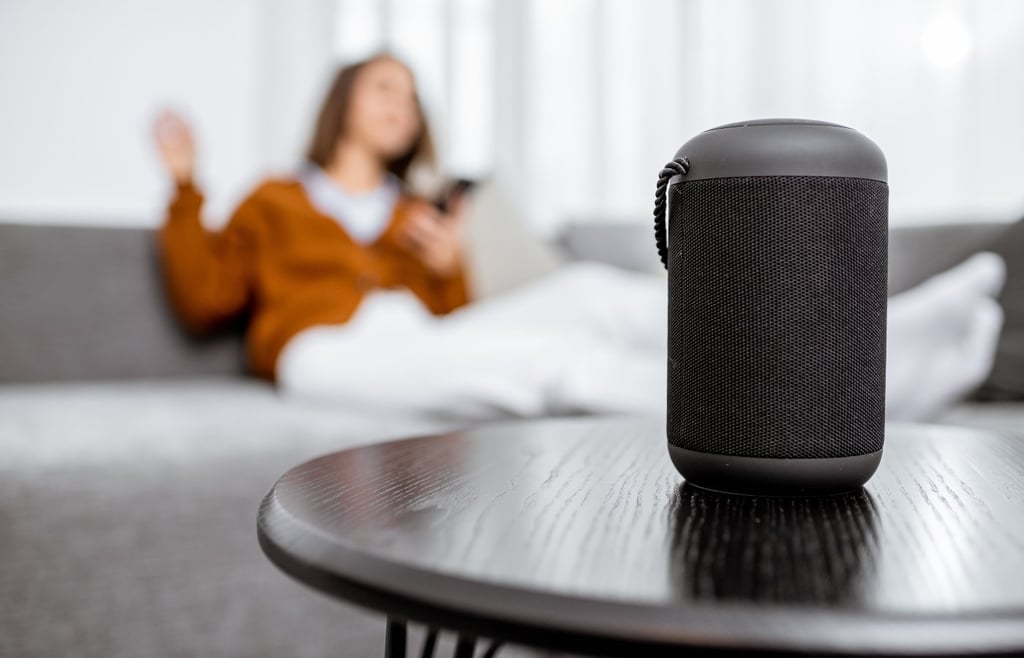


OpenAI is preparing to step into living rooms.
According to The Information, the ChatGPT-maker is building its first consumer device: an AI-powered smart speaker built to see, listen, and respond in more proactive ways. If released, the camera-enabled speaker would serve as OpenAI’s hardware debut, extending the company’s reach beyond software.
The team and the timeline
The project has grown into a sizable internal effort. Roughly 200 employees are working on the device, reflecting a coordinated build.
The smart speaker is expected to be priced between $200 and $300, placing it within reach of mainstream buyers if it reaches the market. The development follows OpenAI’s acquisition of Jony Ive’s startup, which brought hardware design in-house and broadened the company’s product ambitions.
The speaker is not the only concept under consideration. Prototypes reportedly include smart glasses and a smart lamp, though it remains unclear which designs will advance beyond testing or when a finished product could ship.
Any launch remains distant, with shipments not expected before 2027.
An assistant that acts
The device is being built to interpret context, drawing on both audio and visual input from its surroundings. By processing what it sees and hears, it is intended to respond in real time to situations unfolding nearby.
Internally, the concept goes further than answering questions. The system will recognize objects within view and track nearby conversations, then surface suggestions or reminders tied to those moments.
Interaction is meant to rely primarily on voice, operating continuously in the background.
Design authority and internal tensions
Control over the product’s look and feel sits largely with Jony Ive’s design firm, LoveFrom, which maintains influence over key decisions even though it operates separately from OpenAI’s day-to-day structure. That arrangement has created an unusual dynamic: an external studio shaping a flagship product inside one of the world’s fastest-moving AI companies.
The collaboration brings together two very different working styles. Former Apple leaders are known for tight secrecy, strict review processes, and deliberate iteration, while OpenAI has built its reputation on rapid releases and frequent updates.
Translating that rhythm into physical manufacturing introduces new constraints, from sourcing components to coordinating production partners. Whether the company can reconcile those approaches — and deliver at scale — remains one of the biggest unanswered questions surrounding the project.
Inside the privacy dilemma
OpenAI’s concept focuses on a system that can recognize objects in view and follow nearby conversations, bringing its AI deeper into private spaces. Interpreting context requires capturing it, which raises questions about how the data is processed, stored, and protected.
Unlike earlier smart speakers that rely mainly on reactive voice commands, this approach depends on continuous environmental awareness. This changes expectations around what a home assistant does and what it notices.
Companies like Amazon and Google have previously faced scrutiny after reports that human reviewers listened to snippets of Alexa and Google Assistant recordings. Meanwhile, Meta’s camera-equipped Portal devices prompted debate over in-home data collection.
With a system designed to observe and respond in real time, similar questions would likely surface early, placing trust and transparency at the center of adoption.
In a new interview, Sam Altman praised the speed of China’s advances across the AI stack.