







5 Ways an Open Technology Approach Benefits the Trucking Industry
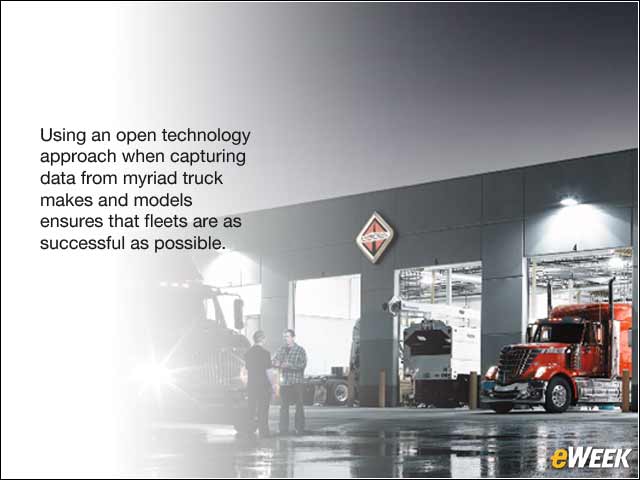
Using an open technology approach when capturing data from myriad truck makes and models ensures that fleets are as successful as possible.
Fleet Transparency
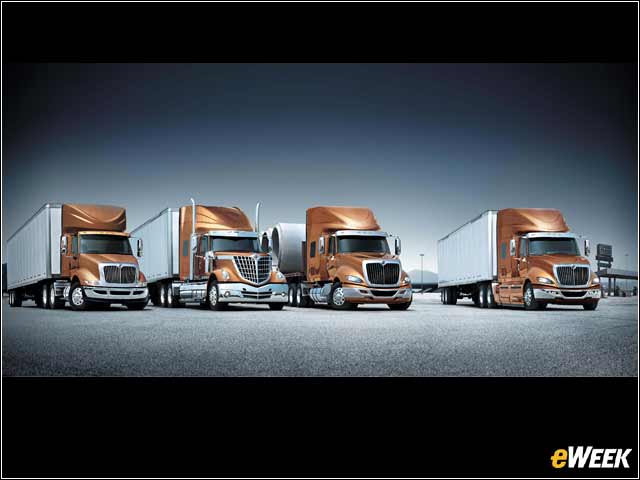
Truck fleets usually include a wide variety of makes and models. Using an open technology approach, truck owners can get a complete picture of which trucks are most effective at their tasks and which trucks are underperforming. Armed with complete data, manufacturers can determine the need for specific features and components that address the actual demands users place on each vehicle, and companies can determine which trucks best satisfy the needs of the business.
Predictive Maintenance
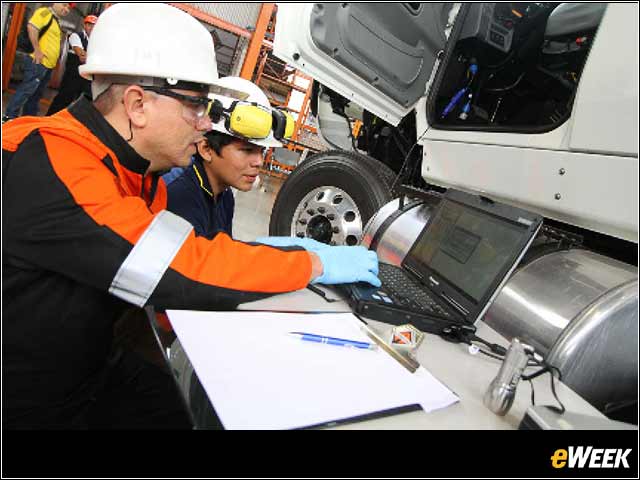
An open architecture approach helps feed vehicle health data from multiple truck brands into the same diagnostic system, offering the potential for coordinated fleet maintenance. Fleet managers can thus anticipate and address the needs of every vehicle, regardless of the specific truck maker or which telematics service may be used by that vehicle. Small maintenance issues can be detected and addressed before they turn into larger, more costly system failures.
Rapid Innovation
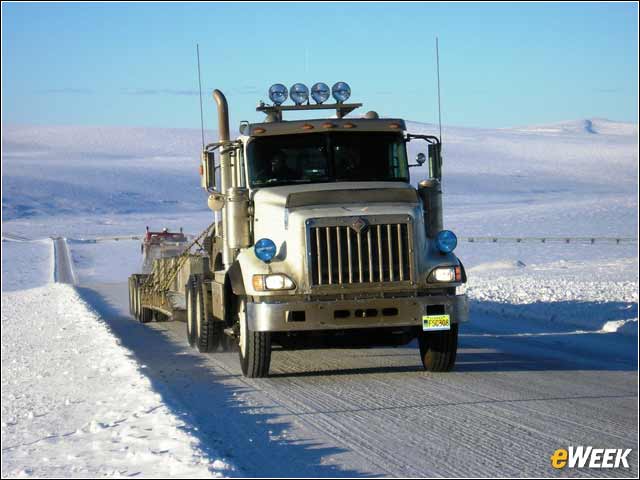
Open architecture allows for accelerated product testing. In the past, commercial truck makers would place large numbers of test models with customers and wait 12 to 18 months before being able to see how the trucks performed under real-world conditions. With a complete view of the data via an open architecture diagnostic system, these insights can be generated with fewer test vehicles, and over weeks instead of months. This leads to a more rapid adoption of new and advanced technologies.
Driver Convenience
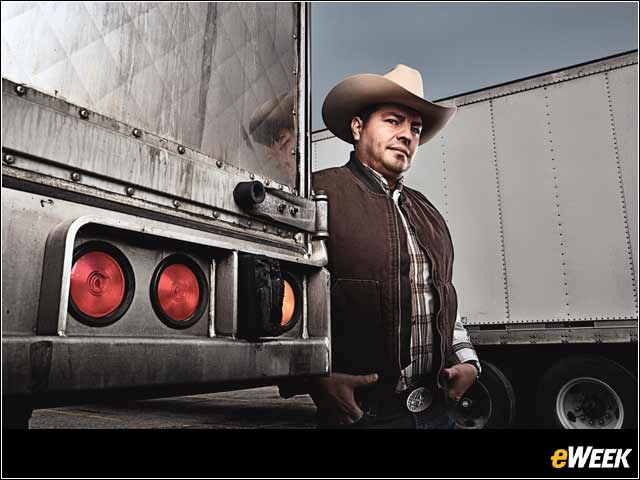
Happy drivers mean more productive trucks, and with all trucks connected, drivers can experience major benefits. Open technology gives fleets the ability to alert drivers to upcoming conveniences, such as the closest parking spot, their favorite restaurant or even a mechanic with the right replacement part for their particular issue. An open approach to IT can improve quality of life for drivers, while simultaneously leading to more uptime and increased profits.
Information Sharing
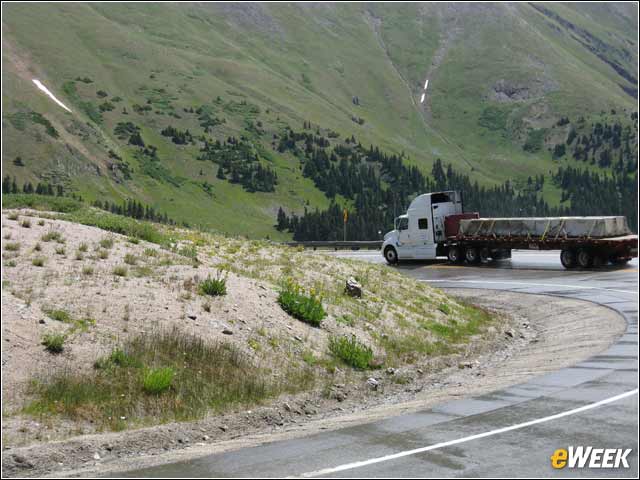
Each commercial vehicle on the road is a potential node on the Internet of things. With an open technology approach, these vehicles can interact seamlessly with one another. Geolocation technology captures the location data of every vehicle on the planet, including topographical factors such as altitude, in turn enabling features such as “predictive cruise control,” where trucks automatically adjust speed according to what terrain is ahead in order to achieve optimal fuel economy.