How Adobe Reader Stacks Up to Alternatives

How Adobe Reader Stacks Up to Alternatives
Written By
Larry Seltzer
Larry Seltzer
Published: Apr 9, 2009
Updated: Feb 2, 2021
1 minute read
eWeek content and product recommendations are editorially independent. We may make money when you click on links to our partners. Learn More


How Adobe Reader Stacks Up to Alternatives

How Adobe Has Infiltrated the Enterprise

by Larry Seltzer


No Title

2

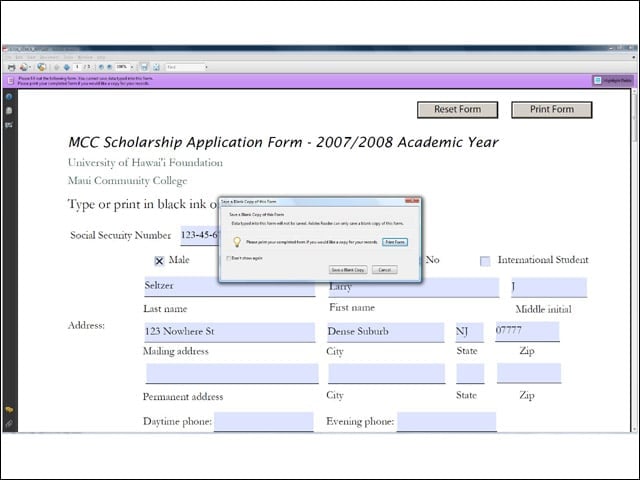
When they call it “Reader,” they mean it. Alone among the PDF viewers in this story, Adobe’s does not let you save any changes to the document.


No Title
3

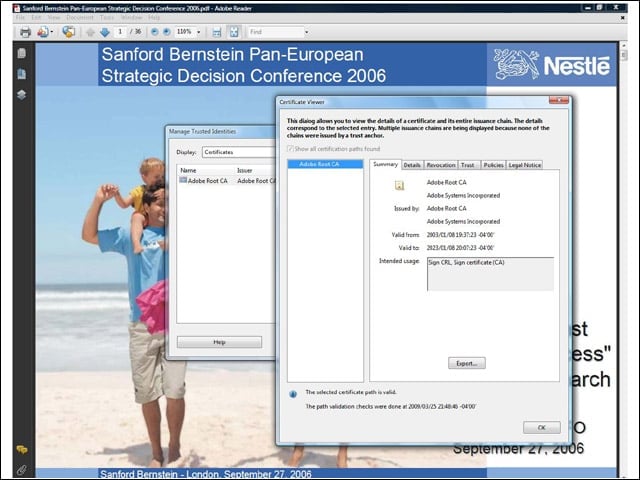
Other products touch on the use of digital signatures, but Adobe Reader has the strongest support for it, including enterprise tools for ensuring the trustworthiness of documents from inside and out.


No Title
4

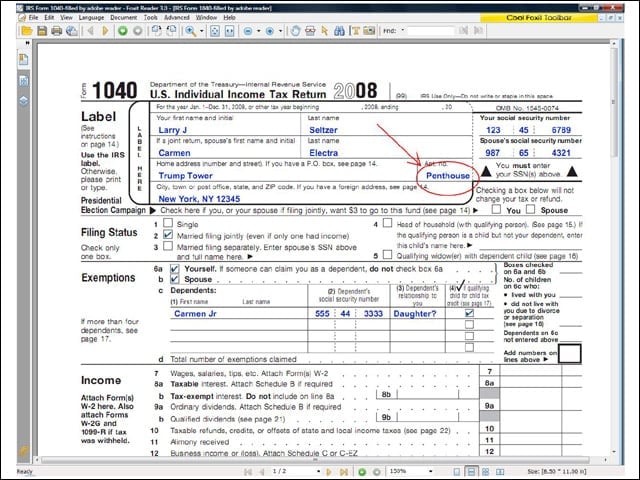
Foxit is strong as a reader and has a good selection of markup tools, letting you make a document of your own.


No Title
5

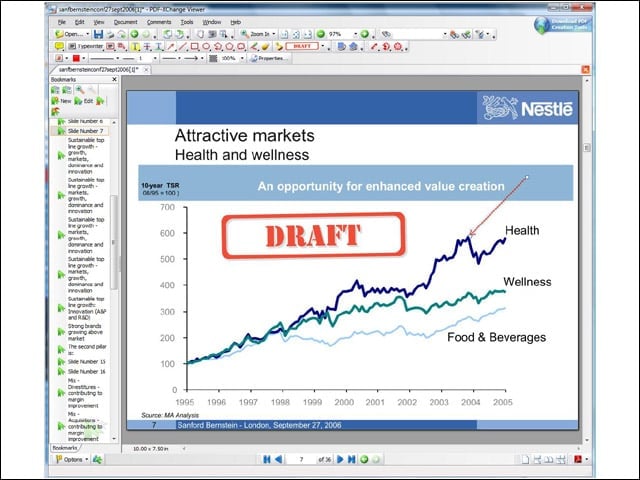
PDF-XChange Viewer has a more elaborate selection of markup tools–but also some weaknesses in filling out forms.


No Title
6

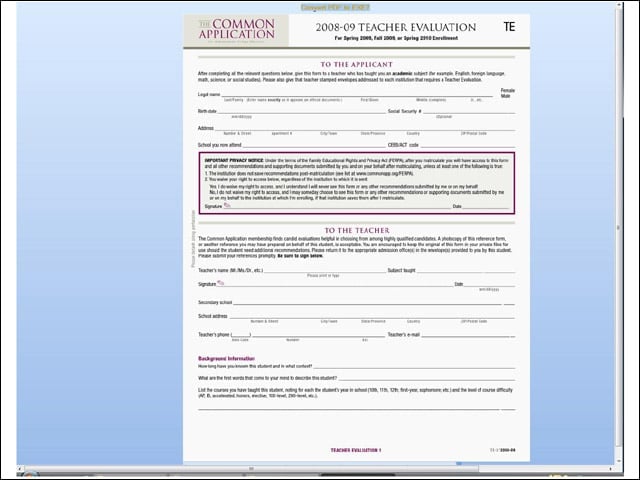
CoolPDF has a slideshow mode that shows users all the pages in a document without having to press a key.


Advertisement

No Title

7

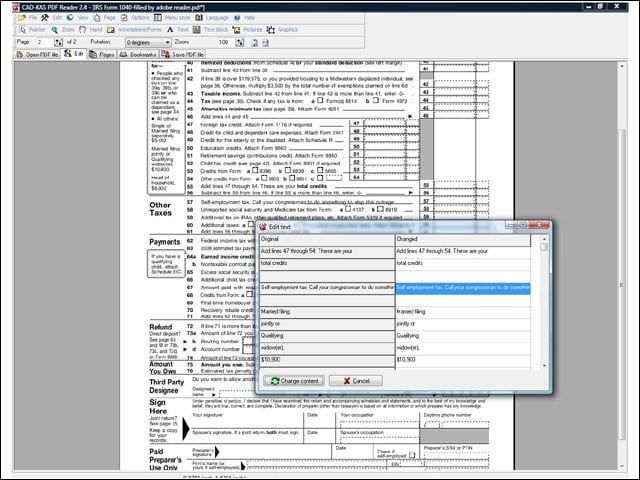
Too elaborate for a viewer and not powerful enough for a professional editor or producer, CAD-KAS PDF Reader might appeal to those looking for a low-end editor.


No Title
8

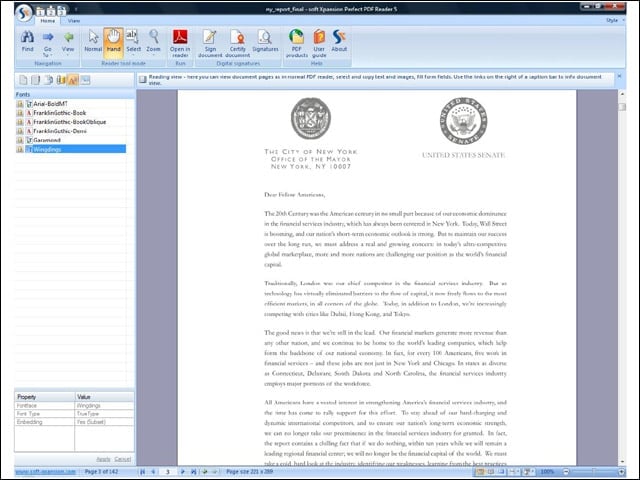
With that Office 2007 look to it, soft Xpansion Perfect PDF Reader 5 is great for reading PDFs, but it includes some unrelated features, such as listing fonts. The program can eat memory with the best of them.


No Title
9

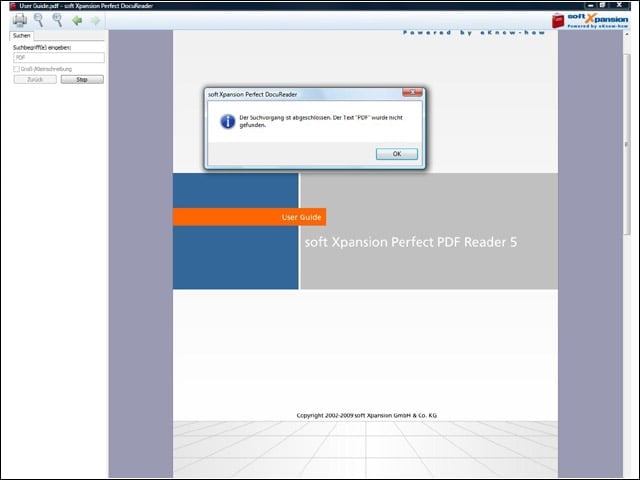
I tested the English version of soft Xpansion Perfect PDF Reader, but the Help program was in German, and the user guide it showed was just a cover sheet.

Larry Seltzer

Larry Seltzer

Content Writer

Larry Seltzer has been writing software for and English about computers ever since—,much to his own amazement— He was one of the authors of NPL and NPL-R, fourth-generation languages for microcomputers by the now-defunct DeskTop Software Corporation. (Larry is sad to find absolutely no hits on any of these +products on Google.) His work at Desktop Software included programming the UCSD p-System, a virtual machine-based operating system with portable binaries that pre-dated Java by more than 10 years.For several years, he wrote corporate software for Mathematica Policy Research (they're still in business!) and Chase Econometrics (not so lucky) before being forcibly thrown into the consulting market. He bummed around the Philadelphia consulting and contract-programming scenes for a year or two before taking a job at NSTL (National Software Testing Labs) developing product tests and managing contract testing for the computer industry, governments and publication.In 1991 Larry moved to Massachusetts to become Technical Director of PC Week Labs (now eWeek Labs). He moved within Ziff Davis to New York in 1994 to run testing at Windows Sources. In 1995, he became Technical Director for Internet product testing at PC Magazine and stayed there till 1998.Since then, he has been writing for numerous other publications, including Fortune Small Business, Windows 2000 Magazine (now Windows and .NET Magazine), ZDNet and Sam Whitmore's Media Survey.

eWeek Logo

eWeek has the latest technology news and analysis, buying guides, and product reviews for IT professionals and technology buyers. The site's focus is on innovative solutions and covering in-depth technical content. eWeek stays on the cutting edge of technology news and IT trends through interviews and expert analysis. Gain insight from top innovators and thought leaders in the fields of IT, business, enterprise software, startups, and more.

Property of TechnologyAdvice. © 2026 TechnologyAdvice. All Rights Reserved

Advertiser Disclosure: Some of the products that appear on this site are from companies from which TechnologyAdvice receives compensation. This compensation may impact how and where products appear on this site including, for example, the order in which they appear. TechnologyAdvice does not include all companies or all types of products available in the marketplace.