







To Call or to Text?
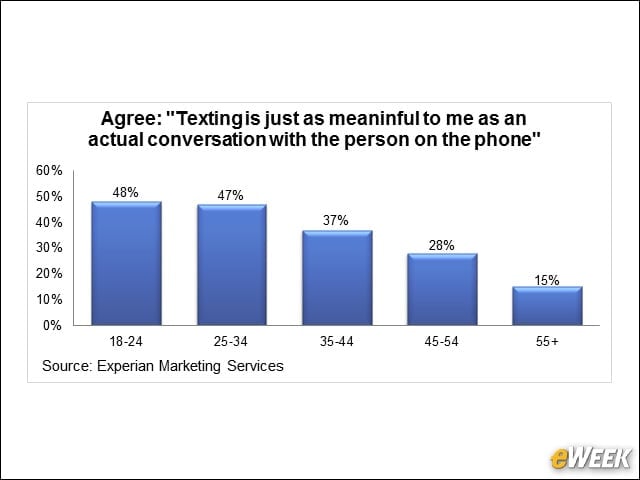
Since the first text message was sent 20 years ago, the format has become commonplace to users. Nearly half of adults between the ages of 18 and 34 now believe texting is “as meaningful” a way to communicate as a phone call, according to the latest Simmons National Consumer Study.
Nothing Tops Talking
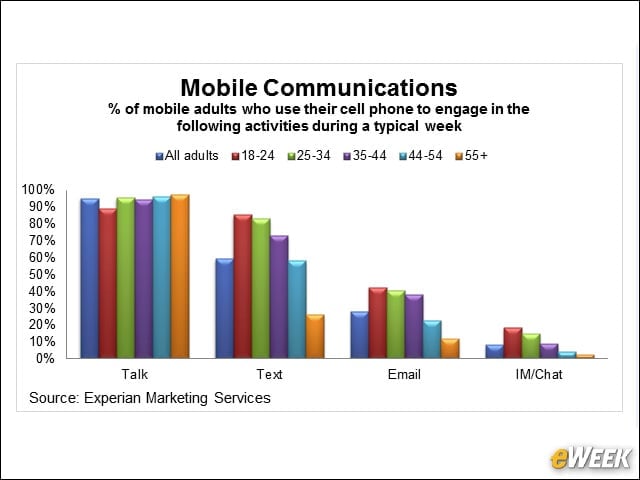
Still, talking remains the No. 1 way to communicate among smartphone owners of all ages.
The Numbers
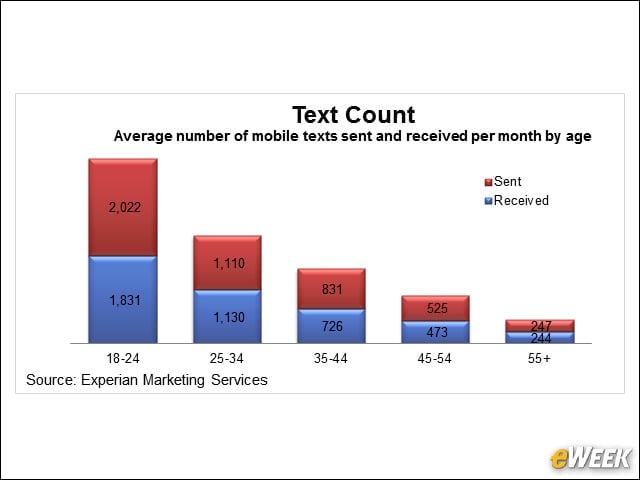
The Simmons Connect report, which surveyed 1,485 smartphone owners, found that owners between the ages of 18 and 24 send or receive an average of 3,852 messages per month. The older the users, the less they texted.
Call Me, Maybe
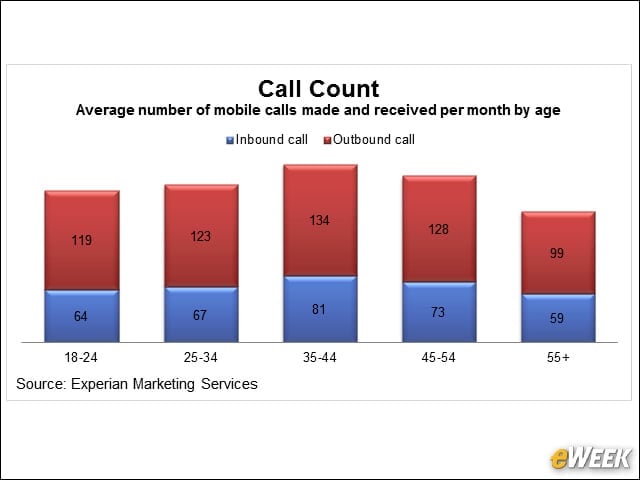
The relationship between age and placing calls was less direct. Adults aged 35 to 44 both placed and made more calls than any other group.
All Night Long
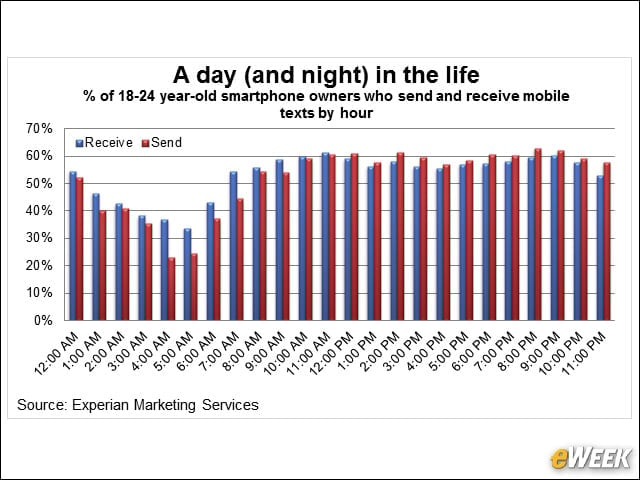
The majority of texts are received and sent between 7 a.m. and midnight, but they hardly stop there. The time that the fewest number of texts is sent is apparently 4 a.m., though more than 20 percent of 18 to 24 year olds said they send texts at that time, and 37 percent said they receive texts then.
The New Discretion
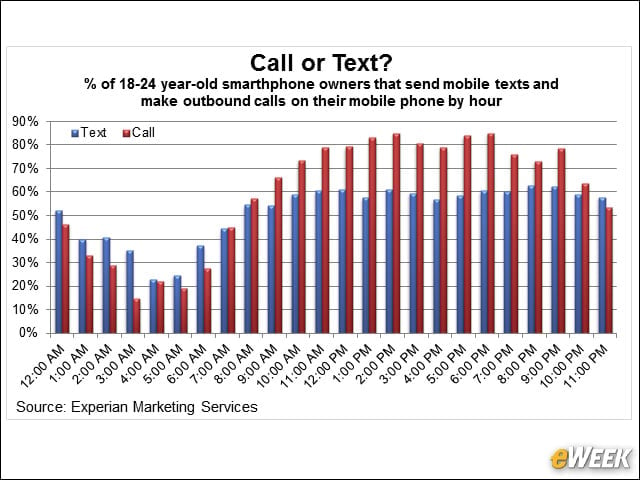
Once upon a time, a young person didn’t want to wake a household with a too-late call. Mobile phones have changed that although 18 to 24 year olds report that they are still hesitant to place calls between 11 p.m. and 6 a.m. They have fewer qualms about sending text messages—more than 35 percent sent texts at 3 a.m.
Mobile Behavior
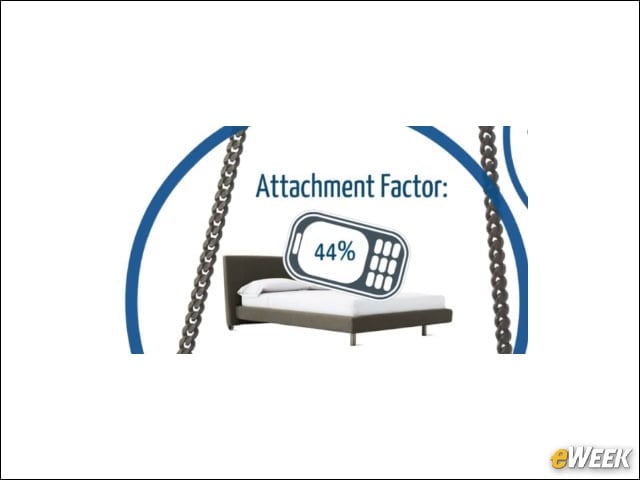
Mobile phones are indeed changing the ways we behave. A Nov. 30 report from the Pew Research Center found that 44 percent of cell phone owners have slept with their devices beside their bed “because they wanted to make sure they didn’t miss any calls, text messages or other updates during the night.” Another 29 percent described their phones as “something they can’t imagine living without.”
Too Much Time Together?
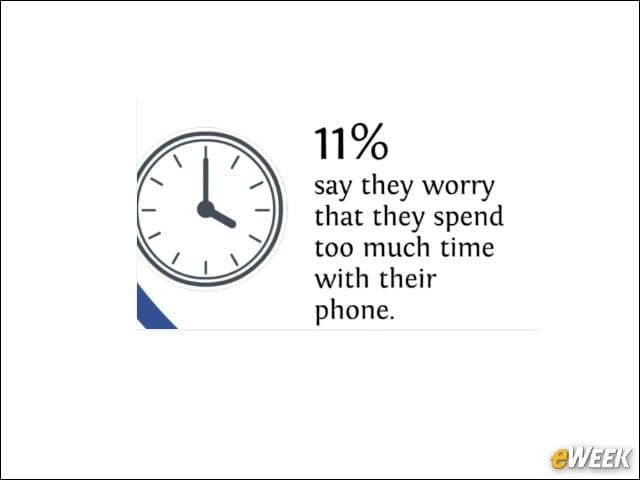
The Pew report also found that one in 10 people are worried that they spend too much time with their phone, and 12 percent of people have had someone tell them that they have an unhealthy relationship with their phone.
Out of Balance
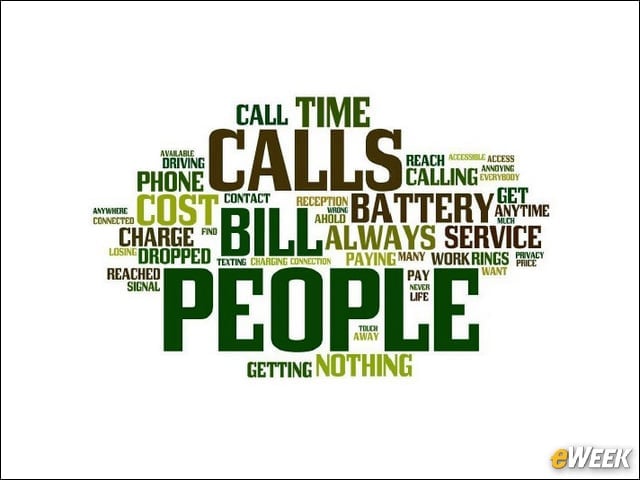
Pew found that phones can make it hard for some people to relax or to focus: 7 percent of people said their phones make it very hard to give people their undivided attention. Still, 39 percent of respondents said people have complained that they don’t return text messages or phone calls fast enough. This word cloud, created by Pew, illustrates common complaints users have about their phones.
The Upside
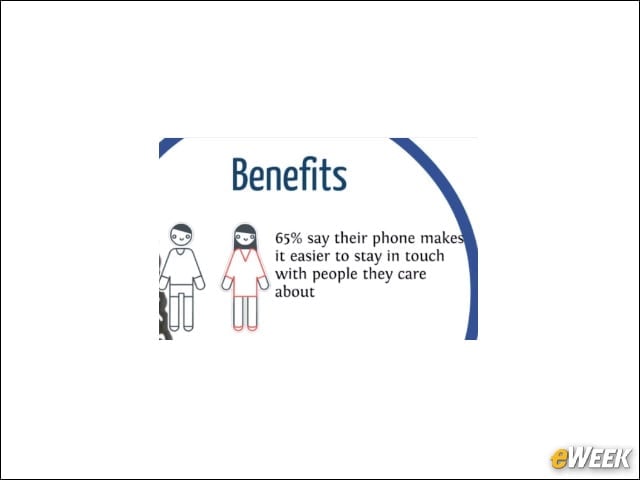
Of course, mobile phones also offer a number of benefits. Sixty-five percent of respondents in the Pew survey said their phones make it easier to stay in touch with the people they care about, and 26 percent said phones made it a lot easier to plan their daily routines. The desire to be efficient and connected—but also to disengage once in a while—said Aaron Smith, author of the Pew report, is, in a nutshell, “the modern dilemma.”