






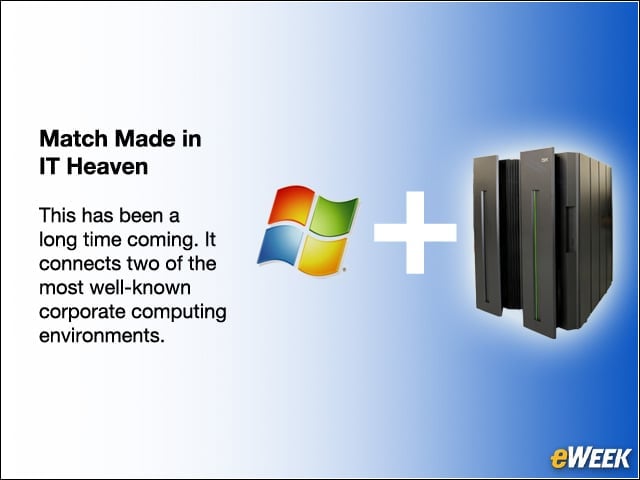


Match Made in IT Heaven
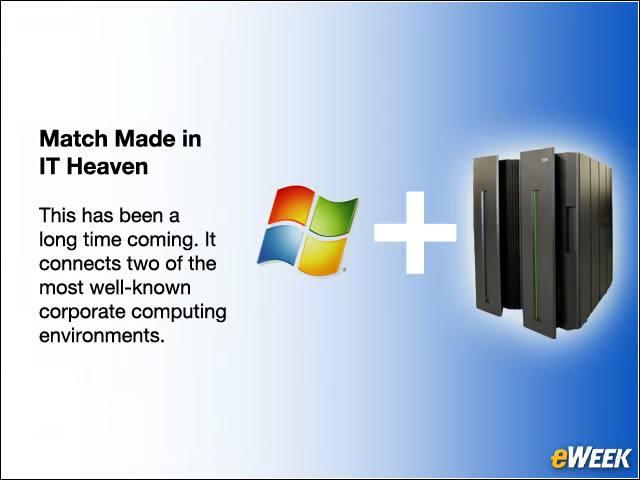
This has been a long time coming. It connects two of the most well-known corporate computing environments.
Eliminating Silos
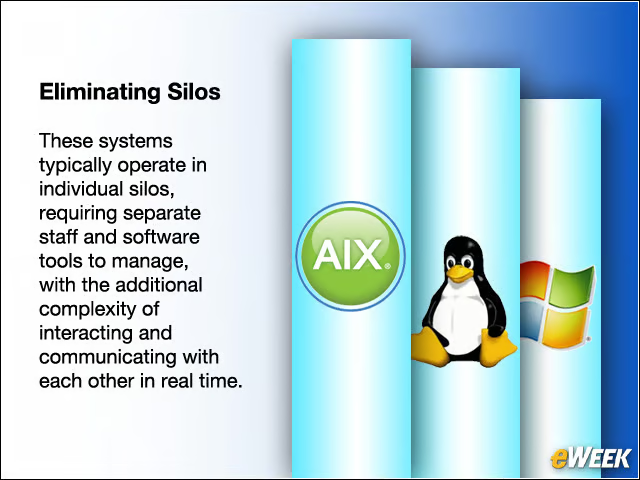
These systems typically operate in individual silos, requiring separate staff and software tools to manage, with the additional complexity of interacting and communicating with each other in real time.
Backed by Customer Demand
Support for a hybrid system—both Windows and/or Linux on the mainframe—was the No. 1 IBM client requirement after its launch of zEnterprise in July 2010 because companies have mixed workloads.
Fit for Purpose
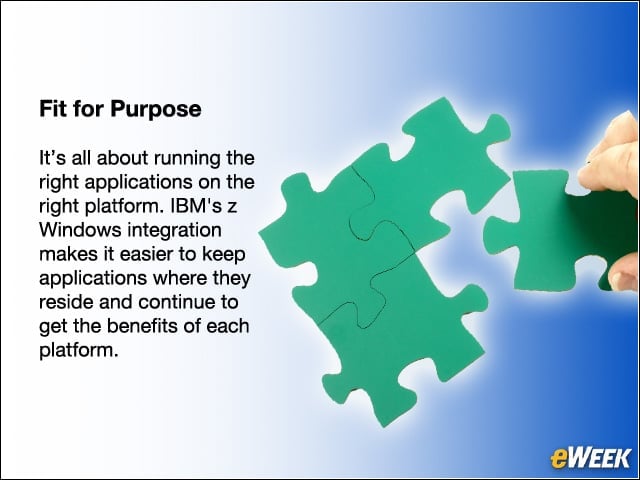
Its all about running the right applications on the right platform. IBM’s z Windows integration makes it easier to keep applications where they reside and continue to get the benefits of each platform.
Missing Piece
IT can manage applications better—even in an end-to-end capacity—which helps IT get aligned with the business and its requirements. Windows support adds a missing piece.??Ã
Central Management
The new capability provides centralized management, which offers a variety of money-saving benefits, such as faster and automated access to computing resources, reduced administration and lower training costs. The technology enables users to leverage the mainframe for cross-platform system management and offers enterprise customers a single pane of glass for gaining insights into and control over virtually all of their data center systems.
No Changes Required
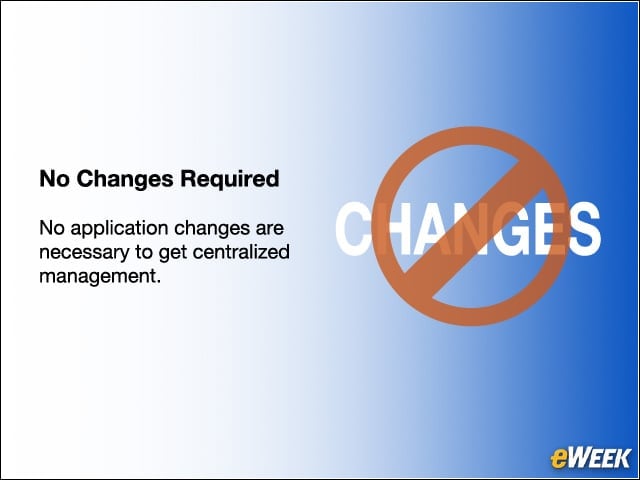
No application changes are necessary to get centralized management.
More Choice

Users gain more choice in choosing the best platform for a particular application, from ERP to business analytics to transaction processing.
Application and Data Integration
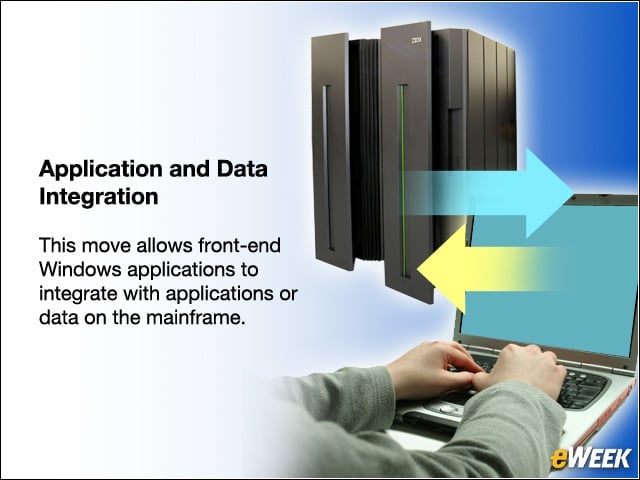
This move allows front-end Windows applications to integrate with applications or data on the mainframe.
Consolidate workloads
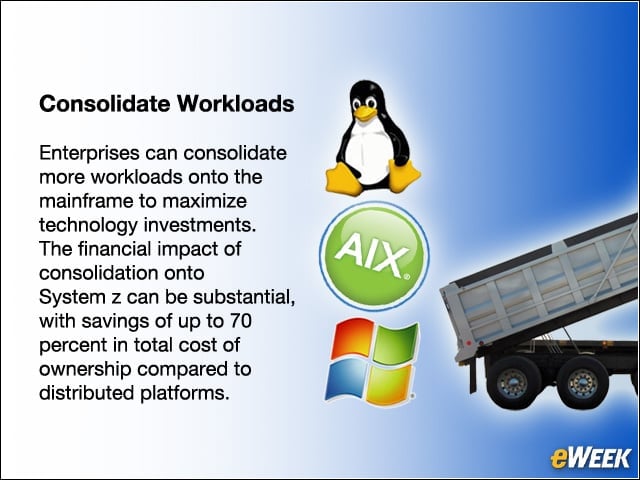
Enterprises can consolidate more workloads onto the mainframe to maximize technology investments. The financial impact of consolidation onto System z can be substantial, with savings of up to 70 percent in total cost of ownership compared to distributed platforms.
Extends the Mainframe
Adding Windows integration capabilities extends the vitality of the mainframe, which continues to be critical to banks, insurance companies, governments, major retailers and other IBM clients who benefit from its high levels of security and reliability. IBM has continued to see mainframe momentum since shipping its new zEnterprise 196 in July 2010, with new clients and system upgrades worldwide.??Ã Since then, IBM has added more than 80 new mainframe clients worldwide, with more than 30 percent of these in growth markets.