






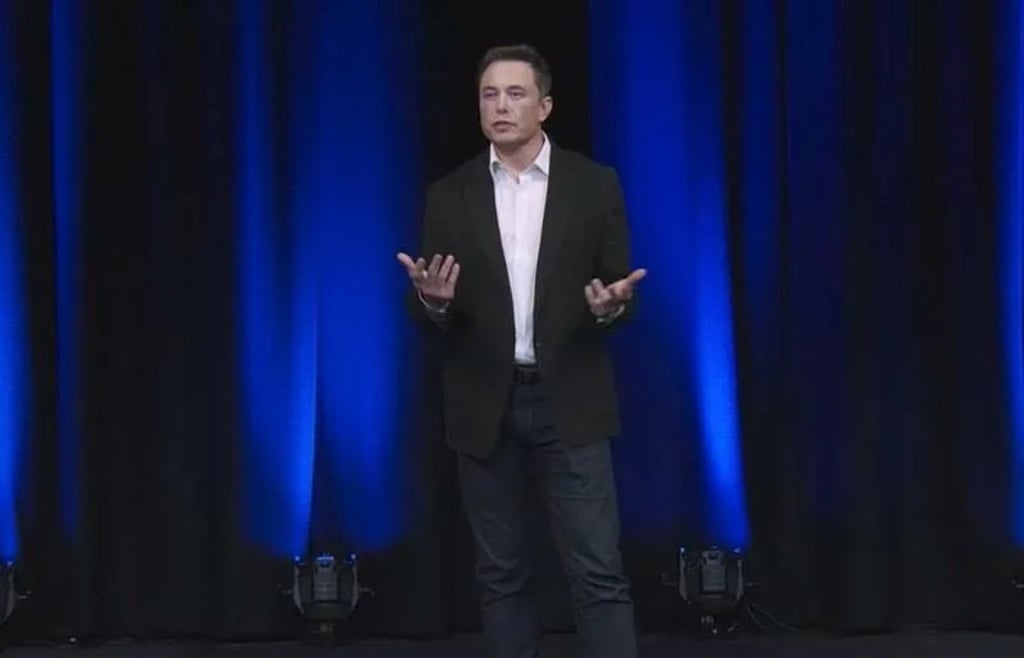


A brief exchange between Twitter cofounder Jack Dorsey and billionaire tech mogul Elon Musk has stirred the tech world into debate over IP law.
“Delete all IP law,” Dorsey wrote on X on April 11. “I agree,” replied Musk, who has owned X since 2022.
Dorsey later elaborated, arguing that the current IP system stifles creativity and centralizes “payments disbursement into the hands of gatekeepers who aren’t paying out fairly.”
Their exchange sparked this broader discussion: Would abolishing intellectual property laws stifle innovation or open the floodgates for greater creativity?
IP applies to individual creators and companies differently
Intellectual property laws in the US are enforced through a combination of trademarks, patents, and copyrights. These systems assure customers that a product bearing a company’s logo originates from that company and adheres to its production standards. In the delicate balance of innovation and competition, IP laws help companies and creators distinguish themselves — incentivizing original, high-quality work.
Companies often maintain intellectual property rights to protect the value of a franchise or idea. Individual creators, on the other hand, may rely on IP to preserve their independence or secure compensation for their work.
Much debate around intellectual property in the past has come in the form of large companies holding one stance (which may seek to loosen IP laws in order to acquire content and ideas cheaply) while individual creators hold another (which may support stronger IP laws to ensure an idea’s original creator profits from the idea’s financial success).
The rise of generative artificial intelligence has added new complexity to this debate.
IP in the age of AI
While it’s unclear what prompted Dorsey’s post, generative AI has raised difficult questions about IP and copyright. Some users responded to Dorsey, including Silicon Valley attorney Nicole Shanahan.
“Actual IP professional here – NO. IP law is the only thing separating human creations from AI creations. If you want to reform it, let’s talk!” Shanahan wrote.
Generative AI companies — including Musk’s xAI, Meta, and OpenAI — have faced criticism for recycling and regurgitating the work of writers and artists. Different AI companies have addressed their use of original content in different ways, including OpenAI forming partnerships with several major media companies that allow them to use writers’ content.